What's inside
As an Amazon Associate I earn from qualifying purchases. This post may contain affiliate links at no extra cost to you.
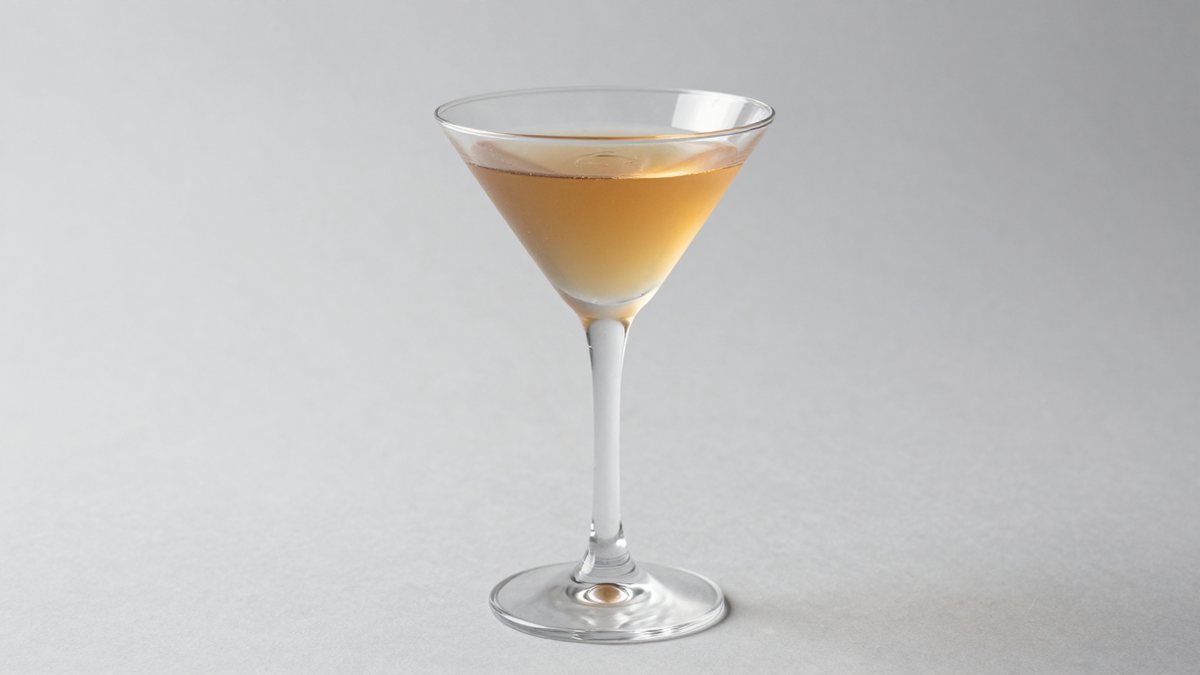
For a balanced dirty martini recipe, stir or shake 2 1/2 ounces of gin or vodka with 1/2 ounce of dry vermouth and 1/2 ounce of olive brine, then dilute with ice and garnish with one to three olives.
As an Amazon Associate we earn from qualifying purchases at no extra cost to you.




Our Top Picks


Dirty Martini Recipe at a Glance
| Ingredient or step | Standard amount | What it contributes |
|---|---|---|
| Gin or vodka | 2 1/2 oz (75 ml) | The base spirit and most of the drink’s alcohol |
| Dry vermouth | 1/2 oz (15 ml) | Herbal, dry, lightly bitter complexity |
| Olive brine | 1/2 oz (15 ml) | Salinity, acidity, and savory olive flavor |
| Ice | Approximately 150 g | Chilling and roughly 15–25% dilution |
| Garnish | 1–3 olives | Aromatic finish and a salty bite |
This produces about 3 1/2 ounces before dilution and approximately 4 to 4 1/2 ounces in the glass. The exact final volume depends on how long you stir or shake and how much water the ice releases.
Ingredients
- 2 1/2 ounces gin or vodka
- 1/2 ounce dry vermouth
- 1/2 ounce olive brine from a jar of green olives
- Ice, preferably large, hard cubes
- One to three green olives for garnish
Use refrigerated brine when possible. It keeps the drink colder and reduces the amount of melting required during mixing. If the brine contains visible herbs, garlic, or pepper, strain it through a fine strainer before measuring if you want a cleaner, more predictable flavor.
How to Make It
1. Chill the serving glass
Fill a martini or coupe glass with ice water and set it aside while you mix the drink. Alternatively, chill the empty glass in a freezer for at least 15 minutes. A cold glass slows warming after straining, which matters because a martini has no ice in the finished drink.
2. Measure the liquids
Add 2 1/2 ounces of gin or vodka, 1/2 ounce of dry vermouth, and 1/2 ounce of olive brine to a mixing glass. Measuring the brine rather than pouring it directly from the jar is important: a difference of just 1/4 ounce is noticeable in a small, spirit-forward cocktail.
3. Stir or shake with ice
For a clear, silky drink, stir with plenty of ice for 25 to 35 seconds. For a colder, more aerated drink with slightly more dilution, shake hard for 10 to 15 seconds. Strain immediately into the chilled glass.
Large ice cubes are preferable because they melt more slowly and let you control dilution. Small or wet ice can make the drink watery before it becomes properly cold. If your ice has been sitting in a warm freezer or has begun to melt, use fresh ice for mixing.
4. Garnish and serve
Thread one to three olives onto a pick and place them in the glass. Add a small lemon twist instead if you want citrus aroma rather than another burst of salt. Avoid squeezing lemon over a traditional dirty martini unless you specifically want acidity to sharpen the drink.
How Dirty Should It Be?
| Style | Spirit | Dry vermouth | Olive brine | Best for |
|---|---|---|---|---|
| Lightly dirty | 2 1/2 oz | 1/2 oz | 1/4 oz | Drinkers who want a hint of salinity |
| Balanced dirty | 2 1/2 oz | 1/2 oz | 1/2 oz | The most versatile starting point |
| Extra dirty | 2 1/2 oz | 1/4 oz | 3/4 oz | Strong savory flavor and softer vermouth notes |
| Very dirty | 2 1/2 oz | 0–1/4 oz | 1 oz | People who want brine to dominate |
Adjust one variable at a time. If the drink tastes too salty, add 1/4 ounce of spirit and stir briefly with fresh ice. If it tastes hot or harsh, do not immediately add more brine; first give it another 10 seconds of stirring, because additional dilution may solve the problem without making it saltier.
Gin or Vodka: Which Base Works Better?
Gin creates a more layered martini. Its juniper, citrus, floral, or herbal notes remain visible beside the olive brine, especially when the brine is limited to 1/4 or 1/2 ounce. Choose a London dry gin for a crisp, juniper-led version, or a softer contemporary gin if you want the olives to remain prominent.
Vodka makes a cleaner, more neutral drink. It is usually the easier choice for an extra-dirty martini because the brine becomes the main flavor rather than competing with botanicals. A higher-quality vodka is not required for this recipe, but a smooth, neutral style avoids distracting alcohol heat.
| Your priority | Choose | Suggested adjustment |
|---|---|---|
| Botanical complexity | Gin | Use 1/4–1/2 oz brine |
| Neutral, savory flavor | Vodka | Use 1/2–3/4 oz brine |
| Lower vermouth character | Either | Reduce vermouth to 1/4 oz |
| More aromatic freshness | Gin | Stir and add a lemon twist |
Stirred Versus Shaken
Stirring is the classic choice when you want a transparent, polished martini. It usually introduces controlled dilution and preserves a dense, smooth texture. Use a bar spoon and rotate the ice rather than aggressively churning it.
Shaking chills the drink quickly and can add a slightly lighter texture. It also tends to produce more dilution, especially with small ice. This is useful if your base spirit tastes hot or if you prefer a very cold cocktail, but strain promptly so the drink does not continue watering down in the shaker.
A practical target is approximately 20% dilution. For the 3 1/2 ounces of liquid in this recipe, that means roughly 3/4 ounce of melted ice water in the finished drink. You do not need to measure it at home; the target is achieved by using cold, solid ice and stopping once the mixing vessel is thoroughly chilled.
Common Mistakes and Ownership Realities
- Overpouring brine: A freehand pour can easily double the intended amount. Use a jigger, especially when comparing different olive jars.
- Using only a few ice cubes: Too little ice warms quickly and dilutes unevenly. Fill the mixing glass at least two-thirds full.
- Ignoring vermouth storage: Dry vermouth is wine-based and loses freshness after opening. Refrigerate it and replace it when its aroma turns flat, sour, or noticeably oxidized.
- Using brine from spoiled olives: Discard the jar if the olives smell fermented, show mold, or have an unusual texture. Brine is not a preservation guarantee after contamination.
- Leaving tools sticky: Rinse the jigger, strainer, and mixing glass soon after use. Salt and vermouth residue can leave a film and dull the clean flavor of the next drink.
- Overloading the garnish: Five or six olives can overpower a carefully measured drink. Start with one or three and add more alongside the drink if desired.
Easy Variations
For a Gibson-style direction, replace the olives with a cocktail onion while retaining the brine measurement if you enjoy a sharper, sweeter garnish. For a citrus-forward version, use gin, 1/4 ounce of brine, and a wide lemon twist. To soften an extra-dirty martini, add 1/4 ounce of dry vermouth rather than reducing the spirit.
The most reliable method is to begin with the balanced ratio—2 1/2 ounces spirit, 1/2 ounce vermouth, and 1/2 ounce brine—then change the brine in 1/4-ounce increments. That keeps the drink cold, properly diluted, and easy to reproduce the next time.