
Key takeaways
- Diamond sharpening plates for professional woodworkers compared by grit, size, surface and flattening use, for daily edge restoration.
What's inside
As an Amazon Associate I earn from qualifying purchases. This post may contain affiliate links at no extra cost to you.
Choosing a diamond plate is a decision about speed with a catch, and the catch matters for flatness, speed and repeatability when sharpening is billable time. Diamond cuts fast and needs no soaking, so an edge can go from dull to working while the workpiece stays clamped, yet that aggression leaves deep scratches when the grit is wrong and feels harsher than a water stone. A coarse plate can also flatten water stones, making one purchase serve two jobs.
This guide is written for professional woodworkers, full-time makers and busy joinery shops where edges are restored daily and downtime is measured in finished work. Imagine restoring edges between client jobs, where a slow sharpening routine quietly becomes unpaid labour: the plate must be ready instantly and flat enough to trust. Every product below was chosen from its Amazon title and listing details, including grit or micron size where stated, plate dimensions, and whether the surface is continuous.
Quick Picks
As an Amazon Associate we earn from qualifying purchases
| Product | Best for | Key spec from title |
|---|---|---|
| SHARPAL 145H Diamond Lapping Plate | Flattening and re-levelling water stones | Extra coarse 220 grit, 10 x 4 in lapping plate |
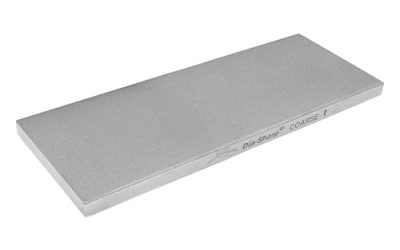
| DMT D8C Dia-Sharp Bench Stone, Coarse | Restoring a dull chisel or plane iron | Coarse 325 mesh, 8 x 3 in, continuous surface |
| DMT D8E Dia-Sharp Bench Stone, Extra Fine | Final honing after a coarse or fine plate | Extra fine 9 micron / 1200 mesh, 8 in, continuous surface |
| DMT D8XX Dia-Sharp Bench Stone, Extra Extra Coarse | Heavy edge repair and flattening water stones | Extra extra coarse, 8 in Dia-Sharp bench stone |
| SHARPAL 162N Double-Sided Diamond Sharpening Stone | One plate covering sharpening and honing | 325 / 1200 grit, 8 x 3 in, case with angle guide |
How to Choose
Start with grit, not with brand
Grit decides what a plate can actually do, and diamond grades are unforgiving because they cut so fast. A coarse grade around the level of the DMT D8C listing rebuilds a bevel and flattens backs, a fine grade maintains an edge, and an extra fine grade such as the nine micron D8E listing only polishes what earlier work already shaped. For a full rotation of bench chisels, plane irons and specialty blades, one dual-grit plate can cover setting and honing, while a single-grit plate makes sense only when the rest of the progression already exists. Write down which step is missing in your current kit, then buy that step and nothing else.
Continuous or interrupted: match the surface to the tool
A continuous diamond surface gives an unbroken stroke, which suits flat backs, wide plane irons and pointed tools that might catch on an interrupted pattern. Interrupted surfaces clear swarf through their gaps and can feel less grabby on narrow edges, yet a chisel corner or a marking knife tip deserves the smoother path. The listings in this guide name the surface type for the DMT plates, so read that line before assuming two plates of the same size behave alike. For restoring edges between client jobs, where a slow sharpening routine quietly becomes unpaid labour, the surface choice shows up in the first minute of work.
Size the plate to your widest iron
An eight inch plate handles most bench tools comfortably, while anything shorter forces diagonal strokes that beginners find hard to keep even. Width matters as much as length: a three inch face lets a wide plane iron travel straight without skating off an edge, and the SHARPAL listings state their eight by three inch size plainly. The ten inch lapping plate in this guide is a different animal, sized for flattening stones rather than for daily honing. Measure your widest iron before ordering, then leave a margin on both sides for a controlled stroke.
Plan the flattening job before you buy
Diamond plates lead a double life in many shops because a coarse one can flatten water stones as well as sharpen steel. If your stones dish, a coarse or dedicated lapping plate such as the SHARPAL 145H listing solves two problems with one purchase, although using your only fine plate for lapping would be a waste of its surface. Think about which stones you own, how often they need flattening, and whether a separate coarse plate keeps the honing plates clean for edges. That decision shapes the whole kit for flatness, speed and repeatability when sharpening is billable time.
The 5 Best Options
SHARPAL 145H Diamond Lapping Plate

A lapping plate is a specialist, and this one is listed exactly for that specialism: flattening and re-levelling whetstones. The extra coarse diamond surface is larger than a standard bench plate, which helps when a dished water stone needs even passes across its whole face, and the same aggression can help with very dull edges when nothing finer is the bottleneck. Woodworkers who own both water stones and diamond plates will understand the appeal immediately, because a flat stone is the precondition for every flat back and straight edge that follows it..
Specs
- Brand: SHARPAL, model 145H
- Grit: Extra coarse 220 grit monocrystalline diamond, per the listing
- Size: 10 x 4 inches, listed as 25.4 x 10.2 cm
- Purpose: Flattening and re-levelling whetstones, per the Amazon title
- Flatness: Listed with precise flatness for lapping work, per the listing
Best for: Flattening and re-levelling water stones
Watch out for: Confirm you actually own stones that need flattening, because as a sole sharpener this coarse lapping plate is a blunt instrument.
ASIN: B0C53DQPBQ
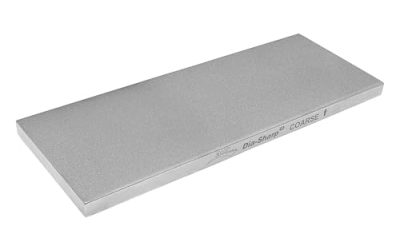
DMT D8C Dia-Sharp Bench Stone, Coarse

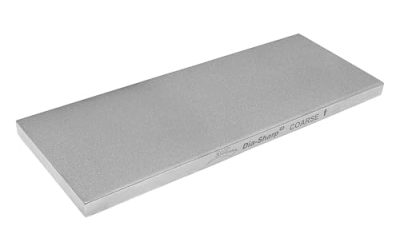
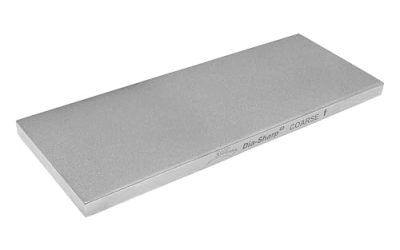
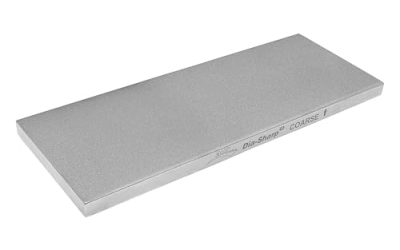
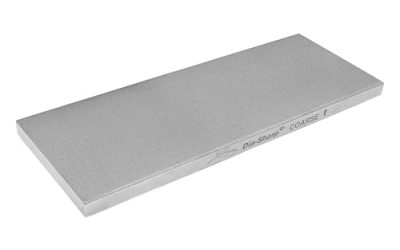
A single coarse plate earns its bench space when edges arrive genuinely dull, nicked, or flattened from hard use. The listing describes a continuous diamond surface, which matters for plane irons and wide chisels because no interrupted pattern interrupts the stroke, and the coarse grade removes steel quickly enough that regrinding a primary bevel stops feeling like a punishment. It also doubles as a flattening plate for water stones, which is a second job many woodworkers already need done. Keep pressure light, because coarse diamond leaves deep scratches that the next grit must remove..
Specs
- Brand: DMT (Diamond Machining Technology), model D8C
- Grit: Coarse, listed as 325 mesh and 45 micron
- Size: 8 x 3 x 0.38 inches, per the Amazon title
- Surface: Continuous diamond surface, Dia-Sharp line
- Use: Sharpen dry or with water, per the listing
- Origin: Made in the USA, per the Amazon title
Best for: Restoring a dull chisel or plane iron
Watch out for: Confirm you want a coarse-only plate, because a separate finer grit is still needed before an edge is ready for fine wood.
ASIN: B0001WP1L0
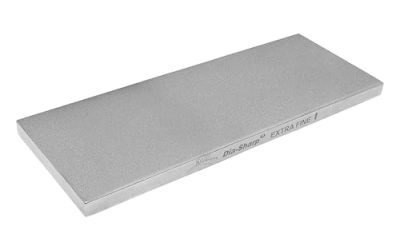
DMT D8E Dia-Sharp Bench Stone, Extra Fine

Extra fine diamond sounds like a contradiction until a bevel needs one last, flat refinement before a strop. The listing gives this plate as nine micron, which places it at the honing end of a diamond kit rather than the repair end, and its continuous surface suits pointed tools and flat backs alike. In a woodworking kit it follows a coarse or fine plate, polishing the wire edge down without the soaking, flattening, and slurry management a water stone demands at the same stage. It will not rescue a chipped edge on its own..
Specs
- Brand: DMT (Diamond Machining Technology), model D8E
- Grit: Extra fine, listed as 9 micron and 1200 mesh
- Size: 8 inch Dia-Sharp bench stone, per the Amazon title
- Surface: Continuous diamond surface, per the listing
- Use: Sharpen dry or with water, per the listing
Best for: Final honing after a coarse or fine plate
Watch out for: Check that your kit already covers coarse work, because this extra fine grade removes steel too slowly for repairs.
ASIN: B0009H5C5M
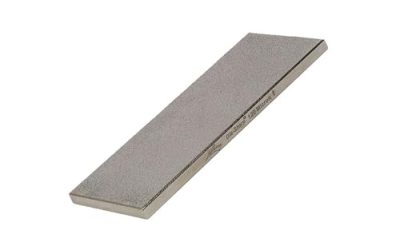
DMT D8XX Dia-Sharp Bench Stone, Extra Extra Coarse

Some edges need aggression before they need finesse, and that is the entire argument for an extra extra coarse plate. The listing positions this eight inch Dia-Sharp stone for the heaviest work in the range: lapping water stones back to flat, grinding out chips, and re-establishing a bevel that has been rounded over by years of quick honing. Used with a light touch and plenty of patience at the next grit, it shortens the worst jobs in the sharpening corner. Used carelessly, it leaves scratches that take real time to polish away..
Specs
- Brand: DMT (Diamond Machining Technology), model D8XX
- Grit: Extra extra coarse, per the Amazon title
- Size: 8 inch Dia-Sharp bench stone, per the Amazon title
- Abrasive: Monocrystalline diamond surface, per the listing
- Use: Edge repair and flattening, per the listing description
Best for: Heavy edge repair and flattening water stones
Watch out for: Verify the seller and model code carefully, because extra extra coarse is easy to confuse with the plain coarse plate.
ASIN: B000GLPCO2
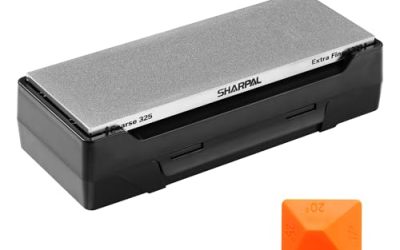
SHARPAL 162N Double-Sided Diamond Sharpening Stone

Two grits on one plate solve the storage problem that makes many sharpening kits grow by accident. The listing pairs a coarse side for setting an edge with an extra fine side for honing, both on an eight by three inch steel base, and the included case doubles as a non-slip holder while the angle guide gives beginners a physical reference for bevel angles. For a shop that sharpens chisels and plane irons rather than running a full stone progression, that combination covers the two ends of the job in a single, flat, always-ready tool..
Specs
- Brand: SHARPAL, model 162N
- Grit: Coarse 325 grit (45 micron) on one side, extra fine 1200 grit (12 micron) on the other, per the listing
- Size: 8 x 3 inches, per the Amazon title
- Material: Monocrystalline diamond electroplated onto a steel base, per the listing
- Included: Storage case with non-slip base and angle guide with 14, 17, 20 and 25 degree angles, per the listing
- Use: Sharpen dry, no oil or water needed, per the listing
Best for: One plate covering sharpening and honing
Watch out for: Check the grit pairing before ordering, because the extra fine side is listed at 1200 grit in the title and 12 micron in the details.
ASIN: B07GRWN1PV
Which One Fits Your Situation
When one plate has to do almost everything
Choose the SHARPAL 162N, because its listing pairs a coarse side for setting an edge with an extra fine side for honing, and the case with an angle guide removes two small obstacles that stop sharpening from happening. For flatness, speed and repeatability when sharpening is billable time, one plate that covers both ends of the job beats a progression that lives in three different drawers and never quite gets assembled on a busy day.
When edges arrive damaged, nicked or rounded
Start with the DMT D8XX for the heaviest repair, or the DMT D8C when the damage is ordinary dullness rather than chips. Coarse diamond shortens the grinding stage for a full rotation of bench chisels, plane irons and specialty blades, and the continuous surface on the D8C keeps wide irons tracking straight. Budget time afterwards for finer work, because the scratches these plates leave are the price of their speed and they must be polished out before the edge is finished.
When water stones still live in the shop
Keep the SHARPAL 145H on flattening duty and reserve the finer plates for edges. Its listing describes a large, extra coarse lapping surface made for re-levelling whetstones, which protects the DMT D8E and the fine side of the SHARPAL 162N from the dirtiest job in the sharpening corner. Shops that mix stones and plates get the longest life from both systems when each tool keeps its own role.
When the gift or the first kit must be simple
Pick the SHARPAL 162N again here, for a different reason: the included storage case, non-slip base and angle guide make the first session less intimidating and the kit easier to hand to someone else. A beginner, a gift recipient or a second user in the shop can start with the coarse side, finish on the extra fine side, and put everything away in one box without hunting for accessories.
Common Mistakes
- Buying an extra fine plate to repair a chipped edge, then blaming the plate for slow progress.
- Pressing hard on coarse diamond and leaving scratches that take longer to remove than the original dullness.
- Using a honing plate to flatten water stones until its surface is worn unevenly.
- Ignoring plate width, then struggling to keep a wide plane iron flat through the stroke.
- Skipping a finer step after coarse work and wondering why the edge tears end grain.
Frequently Asked Questions
Do diamond plates need soaking before use?
No. The listings here describe sharpening dry or with a little water as a lubricant, not as preparation. That matters for flatness, speed and repeatability when sharpening is billable time, because the plate is ready the moment an edge feels dull. Wipe the surface clean afterwards and store it dry, since the steel base under the diamond layer deserves basic care like any other precision tool in the shop.
Which grit should come first in a small kit?
Start with the step your work actually misses. Coarse rebuilds bevels and flattens backs, fine maintains working edges, and extra fine only refines an edge that is already sharp. For a full rotation of bench chisels, plane irons and specialty blades, a dual-grit plate covers both ends in one purchase. Add a second single-grit plate later, when a specific gap appears, instead of buying a full progression blind.
Can a diamond plate flatten a water stone?
Yes, within limits. The SHARPAL 145H listing sells it as a lapping plate for flattening and re-levelling whetstones, and coarse plates do the same second job. Work the stone with water and check flatness with a pencil grid so high spots show clearly. If you flatten often, keep a dedicated coarse plate for lapping and reserve the finer plates for edges.
Why does a new diamond plate feel so aggressive?
A fresh surface feels harsh because the tallest diamond particles have not yet settled, and the SHARPAL listing describes this break-in period openly. Early edges may show deeper scratches, so begin with a tool that needs real work rather than your finest paring chisel. With light pressure and normal use, the cut becomes more even surprisingly quickly.
Related guides
More from Amazon
Programs that pair well with the guide above. Offers and eligibility are set by Amazon and may change.
A free business account with business pricing and bulk-buying tools for work, shop or home office.
Create a business accountFree shipping on eligible items, Prime Video and more. Eligible new members can start with a free trial.
Start a Prime free trialAudiobooks and podcasts to listen to on the go. Eligible new members can start with a free trial.
Try Audible freeAd-free music streaming. Eligible new subscribers can start with a free trial.
Try Music Unlimited freeAs an Amazon Associate we earn from qualifying purchases.
Write Your Review
No reviews yet. Be the first to share your experience!