What's inside
As an Amazon Associate I earn from qualifying purchases. This post may contain affiliate links at no extra cost to you.
Concrete inspection is not one task. A maintenance crew may need to check a slab for hollow spots, measure cracks, find damp areas, or expose a small patch for repair. The right cordless tools depend on which of those jobs you actually do. A hammer and probe can handle a quick screening; a hammer drill, grinder, or rotary hammer makes sense only when the inspection calls for drilling or removing concrete.
Before buying, check whether your site specifies a test method or requires calibrated equipment. Cordless tools can make inspection work faster, but they do not replace a qualified inspector’s judgment or formal testing procedures.
Match the tool to the inspection
Start with the question the crew needs to answer. Is there a loose surface layer? How wide is the crack? Is the area wet? Does a repair need a small test hole? Those questions call for different tools. Buying a powerful rotary hammer for a job that only needs a crack gauge adds weight and cost without improving the result.
| Inspection task | Useful cordless tool | Practical limitation |
|---|---|---|
| Sounding a slab or wall | Small cordless hammer, or a manual sounding hammer | Sounding identifies changes in tone; it does not prove what is behind the surface. |
| Checking crack width | Work light and crack-width gauge; camera or phone for records | Dust, poor lighting, and changing viewing angles can make comparisons unreliable. |
| Making a small inspection hole | 18V-class hammer drill with a masonry bit | Slow in hard concrete; not a substitute for a rotary hammer on repeated drilling. |
| Opening a test patch | Cordless rotary hammer or grinder with suitable accessories | Creates silica dust and can damage reinforcement or nearby finishes. |
Screening and documentation
For routine checks, a bright, adjustable work light is often more useful than another heavy tool. Raking light across a surface can make spalls, raised edges, and fine cracks easier to see. Pair it with a simple crack-width gauge and a ruler. Photograph the defect with a scale in frame, note its location, and use the same viewing angle on follow-up visits.
For sounding, a small hammer is enough for limited spot checks. Tap a consistent grid and compare the tone across the area; a hollow or dull response can flag a place for closer examination. The result is subjective and can be affected by slab thickness, backing, surface coatings, and the operator. Do not treat a change in sound as a confirmed delamination. If the finding affects safety or a major repair decision, use the specified follow-up test.
Drilling and exposing concrete
A cordless hammer drill is a reasonable choice for occasional small holes, such as checking a finish layer or placing a probe where the work plan permits. Look for a hammer mode, a side handle, and a clutch or other overload protection. Use the bit size and depth required by the inspection method; a bigger hole is not automatically more informative. On hard concrete, a standard hammer drill can be slow and may overheat during repeated drilling.
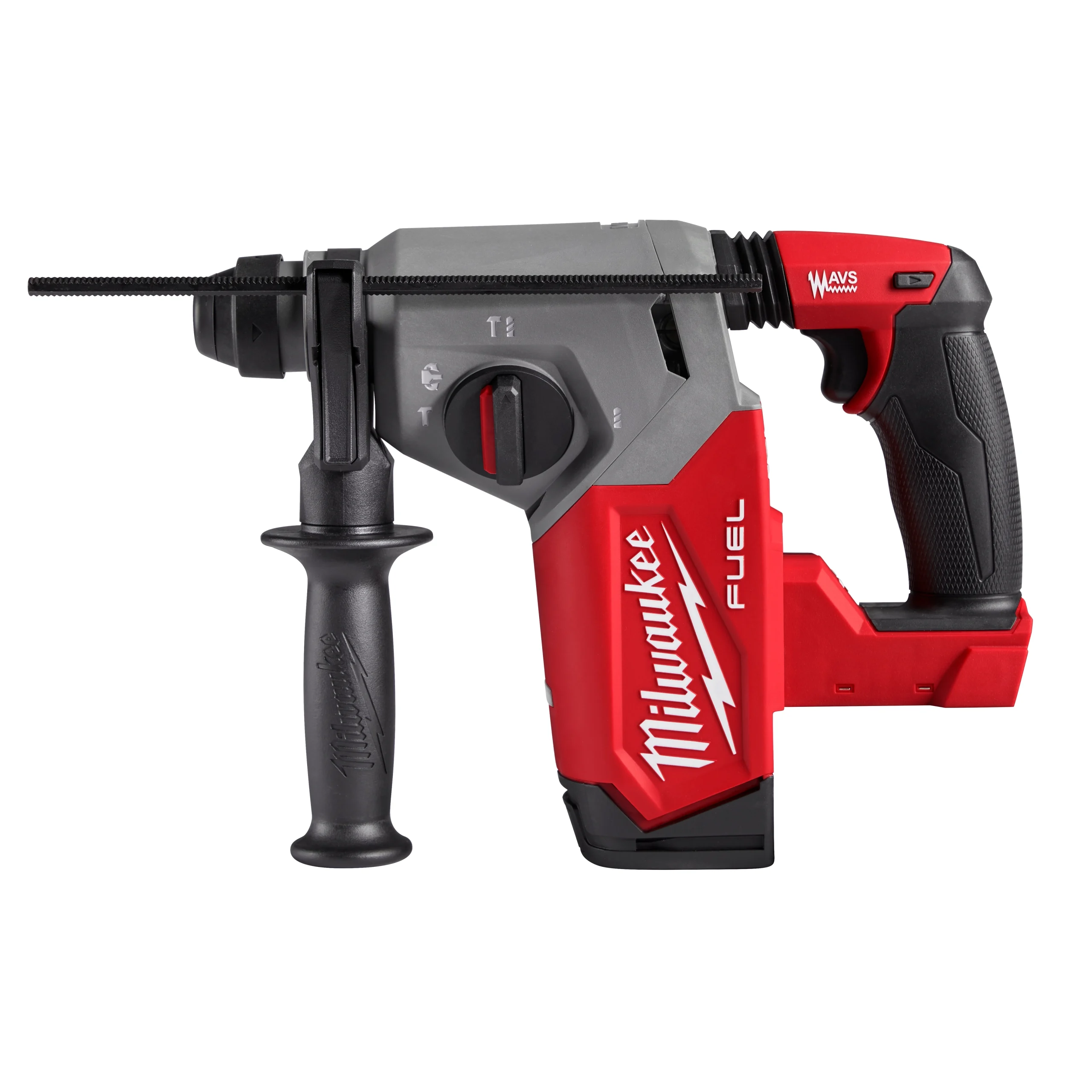
For frequent masonry holes, a rotary hammer with an SDS-style bit system is usually faster and less tiring. The trade-off is higher tool and battery cost, more vibration, and less control for delicate work. Use a depth stop where available, keep the bit clear of dust, and stop if the tool binds. Never drill blindly where embedded utilities or reinforcing steel may be present; check drawings and scan the area using the site’s approved procedure.
If a small patch must be exposed, a cordless grinder can make controlled cuts, but it is a higher-risk option than a drill. Choose a guard and wheel suited to the task, and do not remove material near rebar without approval. Concrete cutting can release respirable crystalline silica. Use the required dust-control method, such as an appropriate shroud and extraction setup, and follow your workplace respiratory protection rules. A battery tool does not make dry cutting safe.
For crews choosing a drilling platform, compare a cordless hammer drill for occasional holes with a cordless SDS rotary hammer for regular masonry work. Buy the lighter, less expensive tool if the job is genuinely occasional; a larger rotary hammer is not better for every inspection.
Battery platform and runtime
For maintenance crews already invested in a cordless ecosystem, platform compatibility can matter more than a small difference in tool specifications. A shared battery inventory reduces the number of chargers and spares needed in a vehicle. But verify compatibility within the brand: some tools require a particular battery style, voltage class, or adapter, and an adapter may not preserve every feature.
Runtime varies sharply with the task. A work light can run for hours on a mid-size pack, while repeated drilling in dense concrete can drain the same battery quickly. Two smaller packs may be more useful than one large pack if crews need to keep a light running while a drill is in use. Bring a spare charged battery and a charger appropriate for the platform; do not assume a short break will restore enough charge for a full shift.
What to buy first
For visual surveys and basic sounding, start with a work light, crack gauge, and a dependable small hammer. A cordless light is worthwhile when inspections happen in basements, service tunnels, or shaded exterior areas; a corded light is often cheaper if the work is stationary and outlets are available. For occasional holes, add a hammer drill only when the inspection plan calls for drilling. For repeated holes or approved patch removal, step up to a rotary hammer or grinder suited to the task, along with the required dust control.
Keep a checklist with the tool kit: batteries charged, bits and accessories intact, guards fitted, dust controls available, and inspection records ready. Worn bits, loose handles, low batteries, and inconsistent tapping patterns can all undermine a field check. The best cordless setup is the smallest one that answers the inspection question safely and repeatably.
Related guides
- Longest Lasting Lawn Mower Battery: AGM vs Lithium vs Flooded Lifespan and Cost per Season
- Duralast Gold Lawn Mower Battery Review: U1 Fit, CCA and When to Pay for AGM
- Greenworks Pro 80V 21-Inch Mower Review: Runtime Math, Push vs Self-Propelled and Yard Fit
- Bosch High Pressure Washer Gun Replacement: Fittings, Adapters and What Fits Your Model