
Our Top Picks


What's inside
As an Amazon Associate I earn from qualifying purchases. This post may contain affiliate links at no extra cost to you.
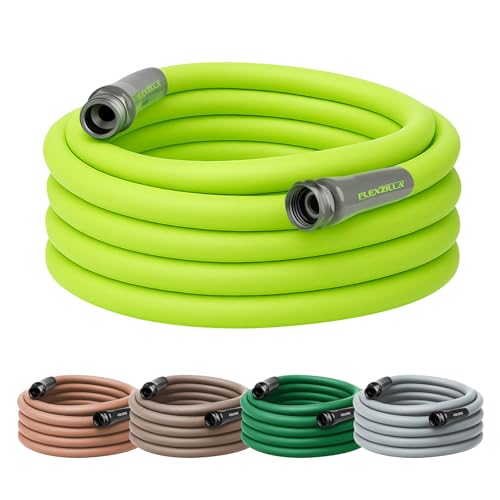
The short answer: the best garden hose is long enough to reach your farthest spot without stretching, tough enough for your climate and how often you use it, and fitted with sturdy connectors. Rubber and well-reinforced hybrid hoses usually last longer and kink less, while lightweight vinyl or fabric hoses suit occasional, light use. For most homes, a 5/8 inch hose with solid brass fittings and a length that matches your yard is the sensible starting point.
A hose looks like the simplest thing in the garden, yet it is the item most people replace too often. The usual reasons are kinks, leaks at the connector, cracks after a cold winter, and a hose that is too heavy or too short to use comfortably. This guide explains what actually makes one hose better than another, how to size it, what to check on the fittings, and how to care for it so it lasts.
What Is Covered
- Hose types compared
- Material and construction
- Diameter and length
- Fittings and connectors
- Kinks, layers and reinforcement
- Drinking water and edible plants
- Choosing by use
- Care, storage and winter
- Common mistakes
- Buying checklist
- FAQ
Hose Types Compared
Most hoses sold for homes fall into four families. The names marketing uses vary, but the underlying materials and construction are what matter.
| Type | Pros | Cons | Best for |
|---|---|---|---|
| Vinyl (PVC) | Light, usually budget friendly, easy to carry | Tends to kink and stiffen in cold weather; may crack sooner | Occasional light watering, small yards |
| Rubber | Durable, flexible, handles heat and cold well | Heavier and often pricier | Daily use, hot or cold climates, rough handling |
| Hybrid (polymer blend) | Balance of light weight and flexibility | Quality varies a lot by construction | All-round home use |
| Expandable fabric | Compact when empty, light | Can be less durable around sharp edges; may fail at the inner tube | Balconies, small spaces, easy storage |
| Soaker or flat hoses | Water seeps along the length to the soil | Not for general watering; can clog with hard water | Garden beds and rows |
Which family suits most people?
If you water frequently, move the hose around the yard, or leave it outdoors through seasons, a rubber or well-built hybrid hose is the usual recommendation. If you water a few pots now and then, vinyl is often enough. Expandable hoses are attractive for storage but require gentler handling; they tend to do best when kept away from rough concrete and thorny plants, and when drained after every use.
Material and Construction
Why material matters most
Material determines how a hose behaves in heat, cold and sunlight. Soft, thin vinyl bends easily in warm weather but turns stiff and prone to kinking when cold. Rubber stays flexible across a wider range of temperatures and resists UV better, but it weighs more. Hybrid blends try to combine the benefits, with the success depending on how well the compound is made.
Wall thickness and weight
A thicker wall generally resists kinking and abrasion, but adds weight. When you handle a hose in a store, a flimsy feel often matches a thin wall. If you cannot hold it, compare the weight and the stated number of layers in the product description, and read user comments about kinking after months of use.
The coupling area
Wear and tear concentrates near the ends, where the hose bends sharply at the connector. A rubber or molded strain relief collar, sometimes shaped like a collar or sleeve, helps prevent the hose from folding at that point. This small detail matters more than many glossy claims.
Water temperature and hot spigots
Water left in a hose on a hot day can get very warm. Do not assume the first few seconds of water are safe for people, pets or delicate plants. Let it run until it cools, especially in summer.
Diameter and Length
Diameter
Common inner diameters are 1/2, 5/8 and 3/4 inch. A wider hose carries more water, so you get better flow at the end, but it also weighs more when full and costs more.
| Diameter | Typical feel | Good for | Trade-off |
|---|---|---|---|
| 1/2 inch | Light, easy to coil | Short runs, pots, small gardens | Lower flow, pressure drops over long distances |
| 5/8 inch | Balanced and widely available | Most home gardens and general use | Slightly heavier than 1/2 inch |
| 3/4 inch | Heavy and stiff when full | Large yards, filling big containers, rinsing equipment | Harder to move and store |
Most households do fine with 5/8 inch. Choose 3/4 inch only if you regularly need a lot of water quickly or run a long distance. Choose 1/2 inch if weight is a concern, such as for gardeners with limited strength.
Length
Measure from the spigot to the farthest spot you need to water, following the path the hose will take around corners, trees and beds, then add a little slack. A hose that is much longer than necessary adds weight, loses pressure and is harder to coil. Too short, and you strain the connection every time you pull. If you have two distant areas, consider two shorter hoses or a hose reel near the farther area rather than one very long hose.
Joining multiple hoses with couplers is possible, but each connection is a potential leak point and flow decreases with distance. One properly sized hose is usually better than several connected ones.
Water pressure and flow
Your home water pressure and the spigot determine what a hose can deliver. A larger diameter cannot create pressure, but it can reduce loss along the way. If your sprinkler or nozzle barely works, check for kinks, a clogged nozzle screen or a partly closed valve before blaming the hose.
Fittings and Connectors
Many hose failures are connector failures. The hose itself may be fine while the end drips, sprays sideways or cross-threads.
- Solid brass is widely preferred. It is strong, resists corrosion and tolerates repeated tightening. Look for chunky fittings rather than thin, lightweight ones.
- Plastic fittings are light and sometimes fine for low-demand use, but they can crack if over-tightened or stepped on.
- Aluminum is common on budget hoses. It can be fine, but thin aluminum may deform or strip threads.
- Hex or wide grip sections make tightening easier by hand or with a wrench, particularly when wet.
- Rubber washers inside the female coupling create the seal. Check that a washer is present, and replace worn ones; they are inexpensive and often solve dripping.
- Crush-resistant collars help the connector survive being driven over or stepped on.
Thread standards
In many places a standard garden thread is used on spigots, hoses and accessories, so parts generally fit. If a connection does not thread easily, stop and realign it instead of forcing it. Cross-threading damages both parts.
Kinks, Layers and Reinforcement
Kinks happen when the hose wall folds and blocks flow. They reduce pressure and can weaken the wall over time at the same spot.
Look for multiple layers, woven reinforcement or a thicker wall described in the specifications. Be careful with marketing words that cannot be verified, such as “unbreakable” or “never kinks.” Focus on physical details the seller lists: number of layers, reinforcement type, wall thickness and material. User reviews that mention how the hose behaved after a season outdoors are more useful than reviews written the first week.
Reducing kinks in practice
- Uncoil the hose fully before turning on water, rather than pulling from a tight coil.
- Lay it out in wide curves rather than sharp bends.
- Keep it out of cold when possible, since stiff hoses kink more.
- Use a hose guide at corners and a reel or hanger for storage.
Drinking Water and Edible Plants
If a hose will fill a pet bowl, supply a kids’ water play area, or water vegetables, look for one explicitly labeled as suitable for drinking water. Standard garden hoses may contain materials not intended for contact with water that people drink. Labeling and standards differ by country, so read what the manufacturer states and check for a clear statement rather than a vague claim.
Whatever hose you use, a common recommendation is to let water run for a moment before use, especially after the hose has been sitting in the sun. Hot, stagnant water in the hose is not what you want in a pet bowl or on a seedling. Store the hose drained and out of direct sun to help keep it cleaner.
If you are concerned, ask the manufacturer for documentation. This article does not make claims about the safety of any product, and you should rely on the labeling and the maker’s information.
Choosing by Use
| Situation | Suggested hose | Why |
|---|---|---|
| Small yard or patio pots | Short 1/2 or 5/8 inch hybrid or vinyl | Light and easy to store |
| Medium yard with daily watering | 5/8 inch rubber or reinforced hybrid with brass fittings | Durable and balanced weight |
| Large property | 3/4 inch rubber, possibly with a reel | Better flow over distance |
| Washing cars and equipment | Flexible 5/8 inch with a sturdy nozzle | Easy handling and good flow |
| Vegetable beds | Drinking-water-labeled hose or soaker hose | Sensible for edible crops |
| Balcony or tight storage | Short expandable or compact hose | Space saving, with careful handling |
| Cold climate | Rubber or cold-rated hybrid | Remains more flexible in cold weather |
Nozzles and accessories
A good nozzle makes any hose more useful. Look for adjustable patterns, a comfortable trigger and a shutoff that holds. Metal bodies with rubber grips tend to last longer. A swivel connector at the nozzle reduces twisting, and a repair coupling kit lets you cut out a damaged section instead of replacing the whole hose.
Care, Storage and Winter
- Drain after use. Lift the hose and let water run out, then coil loosely. Standing water breeds slime and freezes in winter.
- Avoid sharp bends. Coil in large loops, about the size of a bucket or larger, rather than tight rings.
- Keep it out of direct sun when not in use. UV makes many materials brittle over time.
- Disconnect before freezing weather. Leaving a hose connected to an outdoor faucet in freezing temperatures can trap water in the spigot and may cause the pipe to burst. Disconnect, drain, and store the hose indoors or in a shed. If you have a frost-protected faucet or a cover, still follow the maker’s guidance.
- Inspect washers and fittings each season. Replace worn washers and tighten loose ends gently.
- Do not pull from the connector. Pull the hose body, not the fitting, and avoid yanking around corners.
- Do not drive over it. Even strong hoses can be crushed internally.
- Repair small damage early. A pinhole leak can be repaired with a mending coupler, and early repair prevents bursting later.
Always shut off the water at the spigot, not at the nozzle, when you finish, and release pressure in the hose before disconnecting. This reduces stress on the hose and the fittings, and avoids a spray of water as you unscrew.
Common Mistakes
- Buying the cheapest option for daily use. A thin hose may kink or crack within a season or two, which costs more in the long run.
- Buying too long. Extra length means extra weight, lost pressure and more to coil.
- Buying too short. A hose pulled tight strains the connector and wears quickly.
- Leaving it in the sun or freezing cold. Store it coiled, drained and out of direct elements where possible.
- Ignoring the washers. A missing or hardened washer is the leading cause of leaks at the spigot.
- Using pliers on plastic fittings. Hand-tighten or use a suitable tool gently.
- Trusting vague marketing. Prefer construction details and honest user feedback.
- Ignoring the nozzle. A leaking, clogged or awkward nozzle makes watering a chore.
Who Should Choose What
- The occasional waterer can choose a lightweight vinyl or compact hose of moderate length, with a hanger.
- The daily gardener should favor rubber or reinforced hybrid, brass fittings and a durable nozzle.
- The cold-climate owner should look for materials that remain flexible, and plan on winter storage.
- The apartment or balcony gardener may like an expandable or short hose that stores in a small space.
- The family with pets and kids should look for a drinking-water-labeled hose and a shaded storage spot.
- The person with limited strength should consider 1/2 inch or a lighter hybrid and a reel or cart.
Product pages can differ from reality, so compare specifications with care. If you shop online, these links may help you compare options; as an Amazon Associate, we earn from qualifying purchases: garden hoses, hose nozzles, hose reels and hangers, and hose repair couplings and washers.
Buying Checklist
- Measure the route from the spigot to the farthest area and add a little slack.
- Choose a material that suits your climate and frequency of use.
- Pick a diameter, with 5/8 inch being a common choice for homes.
- Look for brass fittings, a strain relief collar and rubber washers.
- Check for drinking-water-safe labeling if you need it.
- Read construction details such as layers and reinforcement.
- Consider the weight when full, particularly for long hoses.
- Choose a nozzle you will enjoy using.
- Plan storage with a reel, hanger or hose pot.
- Check the warranty and return policy.
FAQ
How long do garden hoses last?
It varies widely with material, sun exposure, handling and storage. Better-built hoses that are drained and coiled after use generally last longer than thin hoses left outside year round.
Is a bigger diameter always better?
No. A larger diameter delivers more flow but weighs more and is harder to store. Choose the size that matches your needs and strength.
Why does my hose keep kinking?
Thin vinyl and cold temperatures are common causes. A more flexible rubber or reinforced hybrid hose may help, as can uncoiling fully and laying the hose in wide curves.
Why does my hose leak at the spigot?
Often the rubber washer is worn, missing or flattened. Replace it, make sure the threads are straight, and hand-tighten. If it still leaks, check the fitting for damage.
Can I leave my hose outside in winter?
It is better not to. Water trapped inside can freeze and damage the hose, and a connected hose can trap water in the faucet. Disconnect, drain and store it before freezing weather.
Are expandable hoses worth it?
They can suit small spaces and light use, but they are more sensitive to sharp edges, rough surfaces and being left under pressure. Handle gently and drain after each use.
Is any hose safe for drinking water?
No. Only choose a hose explicitly labeled for drinking water if you will use it for that purpose, and read the manufacturer’s statement. Let the water run for a moment before use.
Can I repair a damaged hose?
Often yes. A mender or repair coupler lets you cut out a damaged section and rejoin the ends. Replace washers and ends if they are the problem, but replace the whole hose if the wall is cracked widely or bulging.
Conclusion
A good hose is a quiet part of a good garden. Choose a material that fits your climate and workload, a diameter that balances flow and weight, a length that reaches without strain, and fittings that will not leak after a few months. Then protect your investment by draining it, coiling it loosely and keeping it out of harsh conditions. Spending a bit more on solid construction usually pays off in fewer replacements and less frustration at the spigot.
Disclosure: As an Amazon Associate, we earn from qualifying purchases. Links marked as sponsored may earn a commission at no extra cost to you.
Related guides
More from Amazon
Programs that pair well with the guide above. Offers and eligibility are set by Amazon and may change.
A free business account with business pricing and bulk-buying tools for work, shop or home office.
Create a business accountFree shipping on eligible items, Prime Video and more. Eligible new members can start with a free trial.
Start a Prime free trialAudiobooks and podcasts to listen to on the go. Eligible new members can start with a free trial.
Try Audible freeAd-free music streaming. Eligible new subscribers can start with a free trial.
Try Music Unlimited freeAs an Amazon Associate we earn from qualifying purchases.
Write Your Review
No reviews yet. Be the first to share your experience!