
Our Top Picks



What's inside
- Contents
- How a cordless band saw works
- The main types of cordless band saw
- Blades: teeth, material and length
- Cutting capacity and what it really means
- Comparison table: types at a glance
- Features worth paying for
- Matching the saw to the work
- Batteries and runtime
- Buyer checklist
- Mistakes to avoid
- Band saw safety
- Frequently asked questions
- Bottom line
As an Amazon Associate I earn from qualifying purchases. This post may contain affiliate links at no extra cost to you.
The short answer: the best cordless band saw is the one whose cutting capacity, blade type and weight suit the material you cut most often. For electricians, plumbers and fabricators who cut pipe, conduit, threaded rod and steel stock on site, a handheld portable band saw is the right tool. For wider stock and repeated cuts on a bench, a cordless unit that can be stood on a stand or used with a table accessory may serve better. Blade choice and battery platform matter at least as much as the headline specifications, so look past the box claims.
This guide does not rank individual saws or promise cut counts. It explains how the tool works, the types you will meet, the blade questions that decide results, and the safety habits that keep a tool with a moving steel blade from becoming a hazard. Use it to build a shortlist, then confirm current specifications and manual instructions for any specific model.
Contents
- How a cordless band saw works
- The main types of cordless band saw
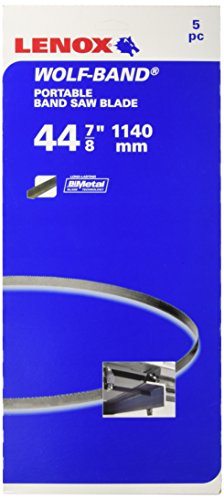
- Blades: teeth, material and length
- Cutting capacity and what it really means
- Comparison table: types at a glance
- Features worth paying for
- Matching the saw to the work
- Batteries and runtime
- Buyer checklist
- Mistakes to avoid
- Band saw safety
- Frequently asked questions
- Bottom line
How a cordless band saw works
A band saw uses a continuous loop of toothed steel that runs around two wheels. Because the blade moves in one direction, it cuts steadily and does not kick back in the way a reciprocating blade can. In a handheld cordless version, a motor powered by a removable battery turns one wheel through a gearbox, and the second wheel idles. The blade passes through a gap in the frame, which is where the material goes.
The appeal over other portable cutting tools is clean, controlled work. A band saw leaves a straighter, smoother cut than a rough reciprocating saw, and it generally produces less sparking and heat than an abrasive cutoff wheel. Chips, rather than sparks, tend to fly, which makes a band saw a pleasant choice around finished surfaces and in places where fire risk matters. That does not make it hazard-free, and the safety section covers what to do about it.
Cordless models cut the cord and the extension lead from the job. That makes a difference on rooftops, in crawl spaces, up ladders and on commercial sites where sockets are far away. The price you pay is runtime tied to a battery and often a tool that weighs more than a corded one.
The main types of cordless band saw
Compact portable band saws
These handheld units use a small frame and a short blade. They cut pipe, conduit, strut, small bar stock and similar profiles. They are easy to carry and can be used one-handed for light work. Because the frame is small, the maximum thickness they can accept is limited, which suits electricians and light maintenance but not larger structural sections.
Deep-cut portable band saws
A deeper frame gives a larger throat so the saw can pass through thicker or wider material, such as larger pipe, angle iron or channel. These models are heavier and usually carry larger batteries. They suit fabricators, plumbers and contractors who regularly cut bigger sections.
Stand-mounted or dual-purpose models
Some cordless band saws can be used handheld or locked into a stand, giving a mini bench saw for repeated, accurate cuts. A stand frees both hands to hold the work and makes square cuts easier. It is useful in a workshop, though a stand takes space and adds cost.
Woodworking and bench-top cordless band saws
Smaller battery-powered bench designs exist for hobby woodworking and craft work, cutting curves in thin boards. They are quite different from handheld metal-cutting tools and use wider wheels, a table and a very different blade. They are worth considering if your goal is scroll-style work, but they are a separate product family from the portable saws described above.
Blades: teeth, material and length
The blade controls how the saw behaves more than almost any other component. A good tool with the wrong blade cuts slowly, binds and dulls early. Always choose a blade length and width listed for your exact model, because a loop that is slightly the wrong size will not track correctly.
Tooth pitch
Teeth per inch is the measure that matters. Finer pitches suit thin-walled tubing and sheet, where several teeth must always be in contact so the blade does not catch. Coarser pitches clear chips from thick solid stock. A variable-pitch blade mixes spacing to reduce vibration and works across a range of thicknesses. A general rule is to keep at least a few teeth engaged in the material at all times, but follow the blade maker’s advice.
Blade material
Basic carbon blades are cheap and suit softer materials and occasional use. Bimetal blades combine a tough backing with hardened teeth and last longer in steel. Carbide-tipped types handle abrasive, hard or heavily alloyed materials, at higher cost. If you cut stainless or hardened bar, plan for a more durable blade type and read the manufacturer’s guidance on speed.
Tension and tracking
Blades should be installed with proper tension and seated correctly on the wheels. Many portable saws have a tool-free tensioning lever and a window to check alignment. Poor tension makes the blade wander and wear quickly, while an incorrectly seated blade may jump off the wheel. Follow the manual for setup.
Lubrication and cutting aids
Cutting oils, wax sticks or sprays reduce friction and heat, extend blade life and improve the finish on metal. Choose a lubricant recommended for the material and compatible with the saw. Wood and plastic usually need none.
Cutting capacity and what it really means
Listings usually give a maximum cutting capacity for round and rectangular stock. That figure describes the largest section that fits through the frame, which is not the same as the most comfortable thing to cut. Cutting at the very limit of capacity is slow, heavy on the battery and hard on the blade. Treat the number as a ceiling, then choose a saw whose rating gives you comfortable headroom above your usual material.
Throat depth and frame shape also affect how you hold the work. A deep frame lets you cut wide flat stock, but the tool becomes bulkier. The shape of the opening affects how well the saw fits around awkward items such as pipes against a wall. Ask whether you will cut material in place, where a compact body and clearance behind the cut matter, or at a bench, where maximum capacity matters more.
Comparison table: types at a glance
This table summarises common tendencies. Always check current specifications for real models.
| Type | Best for | Strengths | Drawbacks |
|---|---|---|---|
| Compact portable | Conduit, small pipe, strut, threaded rod | Light, one-hand handling, quick on-site cuts | Small capacity |
| Deep-cut portable | Larger pipe, angle, channel, solid bar | Greater capacity and power | Heavier, bigger battery, higher cost |
| Stand-mounted or dual-purpose | Workshop repeat cuts with accuracy | Hands-free feeding, squarer cuts | Needs space and a stand |
| Bench-top woodworking type | Curves in thin boards, craft projects | Table support, curve-friendly | Different blade family, not for steel |
Features worth paying for
Variable speed
Different materials call for different blade speeds. A variable-speed trigger or a speed dial lets you run slower for harder metals and quicker for softer stock. Fixed-speed saws can work well for a single repeated task but offer less flexibility.
Balance and grip
A band saw is held for long cuts, and an awkward balance becomes tiring fast. Check whether the tool is designed for one-hand or two-hand use, how the handle sits relative to the battery, and whether a secondary grip is present. If you plan overhead work, weight matters even more.
Work light
A bright light aimed at the cut helps you follow a line, particularly in dark ceilings or equipment rooms.
Hang hook and storage
Some saws include a hook so the body can hang on a pipe or ladder rung during a pause. It is a small feature that can protect the blade and your toes, provided it is used with the blade guarded and the battery removed when appropriate.
Blade guard and brake
Look for a guard that covers the exposed loop and a blade stop that halts the blade promptly when you release the trigger. A saw that coasts for a long time after you let go is less safe in a tight job.
Chip management
Metal chips from a band saw are hot and sharp. Designs that direct them away from your hands, and a catch tray or dust shroud on stand versions, make cleanup and safety easier.
Matching the saw to the work
Electrical and conduit work
A compact portable saw is the usual choice. It cuts conduit, strut channel and threaded rod cleanly and with less sparking than an abrasive wheel. Deburr cut ends before running wire.
Plumbing and HVAC
Thin tubing needs a fine blade and a steady hand. A saw that allows cutting close to a wall or inside a ceiling cavity makes retrofit work easier. Check what the pipe material is before choosing the blade, since plastics, copper and steel have different needs.
Metal fabrication and welding prep
Angle, flat bar and tube cut well on a deep-cut saw, particularly if you can clamp the work or use a stand. A band saw leaves cleaner edges than a hasty abrasive cut, which saves time in grinding.
Farm, ranch and maintenance work
Cutting fence pipe, bolts, bar and brackets in the field is a good fit for a cordless unit. Rugged construction and a spare battery matter most here, because a long trip back to a charger wastes the day.
Woodworking and hobby use
Most handheld metal saws are not intended for fine woodworking. If you want to cut curves in boards, shop for a purpose-built bench saw, and follow its manual for blade selection and table use.
Batteries and runtime
Band saws are among the more demanding cordless tools, because the motor works continuously for each cut. Larger packs provide longer runtime but add weight. If you already own batteries from one system, a bare tool from the same platform is usually the sensible route. For heavy use, a spare pack on charge keeps work moving.
Runtime depends on material, blade condition and technique. A sharp blade, correct pitch and light lubrication allow many more cuts per charge than a dull blade pushed hard. If a saw seems to struggle, check the blade before blaming the battery. Cold weather reduces performance, so keep packs warm before use.
Follow the manufacturer’s guidance on charging, storage and battery care, and never use damaged packs. Electronic protection against overload and overheating is a worthwhile feature, since long, heavy cuts can strain both motor and battery.
Buyer checklist
- The maximum capacity gives comfortable headroom above the material I cut most.
- Blade length, width and tooth pitch options are available for my materials.
- Variable speed or suitable speed control is available.
- The weight and balance feel right for one-hand or two-hand use.
- A guard and prompt blade stop are included.
- Tool-free blade change and tension adjustment are described.
- A work light is present if I cut in dim spaces.
- The battery matches my existing platform or a kit is included.
- Replacement blades are widely available.
- Manual, warranty and return information are clear before I order.
Mistakes to avoid
Choosing the wrong blade pitch
Using coarse teeth on thin tubing makes the blade grab, and fine teeth on thick bar clog and overheat. Match the blade to the thickness you cut most often.
Forcing the cut
Let the blade do the work. Pushing hard dulls teeth, drains batteries and can twist the blade. A steady, light feed is better.
Cutting without clamping
Loose work can shift, pinch the blade or spin. Clamp material or support both sides of the cut wherever possible.
Ignoring blade condition
Dull or chipped teeth cut slowly and wander. Replace a blade when it stops cutting freely rather than compensating with extra pressure.
Running at the capacity limit
Maximum capacity figures describe fit, not comfort. If you often cut at the limit, step up a size.
Skipping lubrication on metal
Dry cutting steel overheats the blade and shortens its life. Use an approved lubricant where appropriate.
Band saw safety
A moving steel blade can cause serious injuries in an instant, and metal chips and cut edges are hazards of their own. Treat every cut as deliberate work.
- Wear eye protection and gloves suited to the task. Chips are hot and sharp, and fresh cut edges can be razor-like. Keep loose clothing, jewellery and long hair away from the blade and wheels.
- Wear hearing protection for extended cutting. Even a quiet band saw adds up across a long job.
- Secure the workpiece. Use clamps or a vise. Never hold small pieces by hand near the blade.
- Keep hands clear of the blade path. Know where the loop exits the material and keep both hands on the tool grips.
- Remove the battery before changing blades or adjusting the guard. Accidental starts are a major hazard during maintenance.
- Check for hidden hazards. Avoid cutting into live electrical conductors, pressurised lines or gas pipes. De-energise and isolate services first, according to proper procedures.
- Let the blade stop before setting the saw down. A coasting blade can still cut.
- Deburr and handle cut pieces carefully. Hot swarf and sharp edges cause many minor injuries.
- Read the manual. Check current safety instructions for your specific model before use.
Frequently asked questions
What is a cordless band saw used for?
Mostly cutting metal profiles such as pipe, conduit, strut, bar and angle on site. Some models are designed for woodworking, so check which family a listing belongs to before buying.
Is a band saw better than a reciprocating saw for metal?
For clean, controlled cuts, usually yes. A band saw produces a straighter finish with less vibration. A reciprocating saw is quicker for rough demolition work and fits awkward spaces.
Can a cordless band saw cut wood?
Handheld metal-cutting models are generally tuned for metal, and wood use may require a different blade or be unsuitable. Check the manual. For wood curves, a bench-top woodworking band saw is the more appropriate type.
How do I choose the right blade?
Match the length and width to your model, then choose pitch and material according to the thickness and hardness of what you cut. Thin material needs finer teeth, while thick stock calls for coarser ones.
How long does the battery last?
It varies with material, blade condition, and pack size. Thin pipe and conduit use little energy per cut, while thick solid bar drains a pack much faster. A spare battery is useful for all-day jobs.
Do I need a stand?
No, but one makes repeat cuts easier and squarer, and frees both hands to hold material. If you work mainly on site, a stand may be unnecessary.
Why does my blade keep wandering?
Common causes include a dull blade, poor tension, wrong tooth pitch or excessive feed pressure. Check setup against the manual, replace worn blades and reduce force.
Is a cordless band saw safe for beginners?
It can be with training and good habits. Clamp the work, wear protective gear, learn the controls on scrap and read the manual. Start with thin, simple profiles before cutting larger sections.
Bottom line
Pick the capacity for your material, pick the blade for your cuts, and pick the battery platform that fits your existing tools. Compact portable saws handle conduit and small pipe, deep-cut models suit heavier sections, and stands help with repeat work. Clamp what you cut, keep hands clear, and check current specifications before you buy.
When you are ready to compare options, you can browse cordless band saws, look at replacement band saw blades, add cutting lubricant, grab work clamps and pick up cut-resistant gloves.
Disclosure: As an Amazon Associate, we earn from qualifying purchases. Links marked as sponsored may earn us a commission at no extra cost to you.
Related guides
More from Amazon
Programs that pair well with the guide above. Offers and eligibility are set by Amazon and may change.
A free business account with business pricing and bulk-buying tools for work, shop or home office.
Create a business accountFree shipping on eligible items, Prime Video and more. Eligible new members can start with a free trial.
Start a Prime free trialAudiobooks and podcasts to listen to on the go. Eligible new members can start with a free trial.
Try Audible freeAd-free music streaming. Eligible new subscribers can start with a free trial.
Try Music Unlimited freeAs an Amazon Associate we earn from qualifying purchases.

Write Your Review
No reviews yet. Be the first to share your experience!