
Our Top Picks

What's inside
- Contents
- What a cordless edger actually does
- The main types of cordless edgers
- Edger types compared at a glance
- Power, voltage and battery considerations
- Cutting depth, guards and adjustments
- Weight, balance and comfort
- Safety when edging
- Common mistakes to avoid
- Buyer checklist
- Frequently asked questions
- Bottom line
As an Amazon Associate I earn from qualifying purchases. This post may contain affiliate links at no extra cost to you.
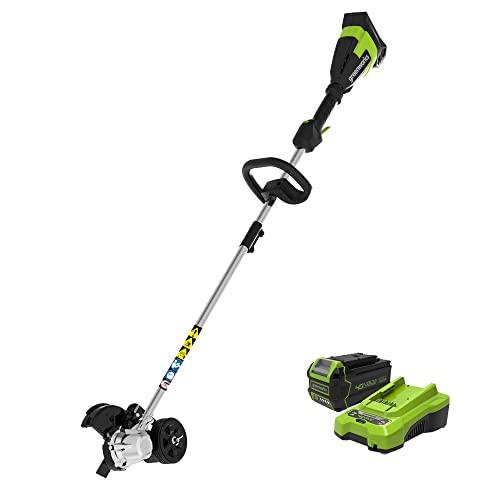
The short answer: the best cordless edger is the one whose cutting style matches your borders and whose battery matches the size of your yard. A dedicated blade edger gives the crispest vertical line along concrete and pavers. A string trimmer that rotates into an edging position is the flexible option for small lots and mixed jobs. A stick-style edger with a wheel and a long shaft suits people who want to stay upright and trace a long run of walkway. Whichever style you choose, check the battery platform you already own, because sharing batteries with other tools often saves more money than any single feature.
This guide does not rank specific products. It explains how cordless edgers differ, what the specifications on a listing actually mean for your lawn, and which mistakes lead to a tool that sits in the garage after one weekend. Use it to narrow your options, then compare current listings against your own sidewalk, driveway and flower beds.
Contents
- What a cordless edger actually does
- The main types of cordless edgers
- Edger types compared at a glance
- Power, voltage and battery considerations
- Cutting depth, guards and adjustments
- Weight, balance and comfort
- Safety when edging
- Common mistakes to avoid
- Buyer checklist
- Frequently asked questions
- Bottom line
What a cordless edger actually does
An edger creates and maintains a clean boundary between turf and something else: a sidewalk, a driveway, a patio, a garden bed or a gravel path. Left alone, grass creeps over hard surfaces and sends runners into beds. A mower cannot reach that margin, and a trimmer only shortens the grass without restoring the line. An edger cuts a narrow vertical face, which is why a freshly edged lawn looks tidier even when the mowing was ordinary.
Going cordless changes the experience more than it changes the result. There is no cord to drag across the freshly cut grass or accidentally slice, no fuel to mix, and no pull-start to fight. In exchange you accept a limited run time per battery and a tool whose performance depends on the pack attached to it. For most suburban lots, where the edging job is a series of straight runs and a few curves, that trade is comfortable. For very large properties or heavy commercial use, it deserves a closer look.
Edging versus trimming
People often buy a trimmer expecting it to double as an edger. Many can, but the two jobs are different. Trimming works horizontally, shortening grass around fence posts and trees. Edging works vertically, slicing down along a hard edge. A tool that does both usually compromises on one of them, typically by making the vertical cut less consistent. If your lot has long runs of concrete, a purpose-built edger is worth considering. If your edging is occasional and your borders are mostly soft garden beds, a convertible trimmer may be enough.
The main types of cordless edgers
Dedicated blade edgers
These carry a small metal blade that spins vertically and rides beside a wheel or guide. The cut is clean and deep because a blade slices roots and soil rather than shredding them. They usually have a cutting-depth adjustment and a guard that throws debris away from you. Because the blade works in a fixed plane, they excel on straight sidewalks and driveways, and they are slower to steer around tight curves. They also tend to be heavier at the head, so balance matters.
Stick edgers
A stick edger puts the head at the end of a long shaft so you can walk upright with the tool beside you. A rolling wheel keeps the blade running parallel to the pavement. Many people with sore backs or knees prefer this layout since there is no stooping. The long shaft does mean the motor may be at one end and the weight at the other, so you should look at how the manufacturer describes the balance and whether the handle can be repositioned.
Convertible string trimmer edgers
Many cordless trimmers rotate the head ninety degrees or include a small wheel and edging guide. Here a line, not a blade, does the work. The result is softer and a little more ragged, and line wears quickly against concrete, but you get one tool for two chores. This is the most economical approach if you already have a trimmer on a battery platform that offers a compatible head.
Edger types compared at a glance
| Type | Cut quality along pavement | Best for | Main trade-off |
|---|---|---|---|
| Dedicated blade edger | Crisp, deep vertical face | Long straight sidewalks and driveways | Slower on tight curves; blade needs attention |
| Stick edger | Good with a steady wheel line | Upright edging, less stooping | Weight distribution along a long shaft |
| Convertible trimmer | Softer, line-dependent | Small lots, occasional edging | Line wears fast on concrete |
Treat the table as a starting point. Within every category there are lightweight and heavy designs, and the manufacturer’s current description is the only reliable source for how a specific model behaves. If you want to see what is currently available, you can browse cordless lawn edgers and sort them against the categories above.
Power, voltage and battery considerations
Platform first, voltage second
Battery voltage is a headline number on many boxes, but it is not directly comparable across brands. What matters in practice is whether the edger is built to work well with the battery system you plan to use. If you already own a battery and charger for a drill, a blower or a mower, a bare-tool edger on the same platform can be the sensible choice. If you are starting from zero, think about the whole ecosystem: the range of outdoor tools offered, the availability of spare packs, and whether chargers are sold separately.
Capacity and run time
Run time depends on battery capacity, the load on the tool and how you work. Cutting through dense, root-filled sod uses more energy than touching up a border you edge regularly. Edging a long driveway in one go drains a small pack faster than a small yard. Rather than chasing a claimed run time, estimate your longest continuous edging session and compare it with the manufacturer’s stated guidance. If you will edge a large property, plan for a second battery so one can charge while you use the other.
Bare tool versus kit
Many listings offer the same edger as a bare tool or as a kit with battery and charger. A kit costs more upfront but guarantees you have compatible parts. A bare tool is cheaper only when you already own the right battery and a charger that supports it. Read the listing carefully to see exactly what is in the box, since mixing up the two is a common source of disappointment on delivery day.
Cutting depth, guards and adjustments
A cutting-depth adjustment lets you set how far the blade or line drops below the surface. Shallow settings are best for regular maintenance. Deeper settings help when you are re-establishing a neglected edge or cutting a new trench along a bed. Look for an adjustment that is easy to use without tools, because you will change it more than you expect as the season goes on and the ground conditions change.
The guard matters as much as the blade. A well-designed guard directs soil, stones and clippings away from your legs and from windows, parked cars and walkways. Check that it covers the cutting area and does not obstruct your view of the line you are following. On blade models, a visible cutting line or notch on the guard helps you keep the tool aligned with the pavement edge.
Weight, balance and comfort
Edging is a repetitive, low-speed task. Most owners care less about raw power than about whether the tool is comfortable after fifteen minutes. A heavy battery on a short shaft pulls the head down. A heavy motor at the bottom of a long shaft tires the wrists. If possible, picture the whole motion: you will hold the tool at an angle, walk beside a hard edge and keep the cut vertical for the length of a driveway.
Pay attention to the handles. Adjustable or telescoping shafts help people of different heights, and a second handle improves control. Padded grips reduce vibration discomfort, though you should still take breaks. Comfort is personal, so compare the manufacturer’s stated weight with the batteries attached, and read recent owner feedback for comments about balance and fatigue.
Safety when edging
Edgers throw soil, pebbles and fragments at speed, and they use a moving cutting element close to your feet. A few habits reduce the risk of injury and property damage. Always read the instruction manual that comes with your specific tool, because guards, switches and procedures vary.
- Eye protection: wear safety glasses or goggles every time, even for a quick touch-up. A stone or a chip of concrete can fly further than you expect.
- Footwear and clothing: choose closed, sturdy shoes and long trousers. Avoid sandals and loose clothing that could catch.
- Hearing protection: use ear protection for longer sessions, especially when the blade is striking hard surfaces.
- Clear the area: keep children, pets and bystanders well away while the tool is running, and check for toys or loose objects.
- Know what is underground: shallow irrigation lines, low-voltage lighting cable and buried utility lines can lie near edges. Learn where they are and use a shallow depth near them. If in doubt, contact your local utility marking service before cutting deeply.
- Switch off and remove the battery before clearing jams, changing blades or adjusting the guard.
- Mind your footing: wet grass, slopes and curbs create slip risks. Take extra care beside roads and keep traffic in mind.
- Battery care: use only the charger intended for your pack, do not use damaged batteries, and keep packs away from heat and moisture.
If the tool vibrates strongly, makes unusual noises or smells hot, stop and investigate. Do not modify guards or bypass safety switches, and follow current manufacturer instructions for everything from assembly to disposal of old batteries.
Common mistakes to avoid
Buying on voltage alone
A big number on the box feels reassuring, but the same number can mean different things on different systems. Judge a tool by its fit, balance, stated suitability for your task and the strength of its battery ecosystem.
Ignoring the battery you already own
Buying a tool on a new platform when you already have a drawer of compatible packs can double your costs. On the other hand, locking yourself into a platform that lacks the tools you want later can be limiting. Weigh both before you commit.
Choosing a trimmer-style edger for a concrete-heavy lot
Line wears quickly against abrasive surfaces, and the cut is less crisp. If you have long runs of pavement, a blade-style tool will probably satisfy you more.
Underestimating the cutting job
An edge that has not been cut for years is a bigger job than touching up a regular line. Expect to spend more time and battery on the first cleanup, and consider doing it in stages.
Skipping protective gear
Eye protection is not optional. Neither are sturdy shoes. It is easy to feel that a quick pass along the sidewalk does not require preparation, which is precisely when accidents occur.
Forgetting storage and maintenance
Leaving the tool covered in damp soil or storing batteries in extreme temperatures shortens life. A few minutes after each use pays off over several seasons.
Cutting too deep, too fast
A deep setting does not make a better edge. It increases load, throws more debris and risks hitting buried lines. Increase depth gradually and keep a steady pace.
Buyer checklist
Run through these points before you buy. If you cannot answer most of them from the listing, check the manufacturer’s current specifications and instructions or look for another option.
- Does the cutting style (blade, line or attachment) suit your dominant border surface?
- Is the tool sold bare or as a kit, and do you have a compatible battery and charger?
- Is the battery platform one you want to stay with for other tools?
- Does the manufacturer describe a run time or use case that fits your longest edging session?
- Is the cutting depth adjustable without tools, and does it cover the range you need?
- Does the guard protect your legs and direct debris safely?
- Is the shaft length or adjustment suitable for your height?
- Can you get replacement blades, line, wheels and guards?
- Are the weight and balance described in a way that suits you, with the battery attached?
- Does the package include the manual, and are safety warnings clearly written?
- Is there a warranty, and does the listing explain how to claim it?
- Have you budgeted for safety glasses, hearing protection and a spare battery if needed?
When your answers are clear, compare stick-style cordless edgers or blade edgers against this list, and keep safety glasses in the same order so your first session is protected.
Frequently asked questions
Is a cordless edger as good as a gas edger?
For typical home use, many people find battery edgers perfectly adequate, and they are easier to start and maintain. Gas models are often associated with long, continuous work, so heavy users should compare current specifications and be honest about how much edging they do in a single session.
Can a cordless string trimmer replace a dedicated edger?
Sometimes. A trimmer that rotates into an edging position or includes an edging guide can handle casual jobs. It generally gives a less crisp result than a blade edger, so it works best on lawns with soft borders or small amounts of pavement.
How often should I edge my lawn?
It depends on your grass type, the season and how tidy you like the borders. Many homeowners edge every few mowings during the growing season. Regular light edging is easier on the tool than infrequent heavy cutting.
Do I need a second battery?
If your edging session regularly outlasts a single pack, a second one is a convenience. If your yard is small, one battery often does the job. Compare the manufacturer’s guidance with the longest session you expect.
Can I use any battery with my edger?
No. Use only batteries and chargers that the manufacturer lists as compatible with your tool. Using mismatched or damaged packs can cause poor performance or safety problems, so always follow the instructions.
Is it safe to edge near buried cables or irrigation lines?
Use caution. Shallow lines can be close to the edge of paved areas. Learn where they run, keep the cutting depth shallow nearby, and contact a local utility marking service if you are unsure about buried utilities.
How do I keep the edge straight?
Keep the wheel or guide against the pavement and move at a steady pace. On a long driveway, some people lay a string or garden hose as a visual guide when cutting a new line. Work in short sections on curves.
What should I look for in a first edger?
Prioritize cutting style that suits your borders, an easy depth adjustment, a protective guard, comfortable weight and a battery system you are happy to own. Compare current listings and read recent feedback about balance and parts availability.
Bottom line
Choose the edging style that fits your borders, then make sure the battery, guard and handling suit the way you work. A blade edger gives the cleanest result on pavement, a stick edger is easier on the back, and a convertible trimmer is the thrifty option for small lots. Whatever you pick, confirm the details on the manufacturer’s current listing, wear eye protection, and treat the battery system as part of the purchase.
Disclosure: As an Amazon Associate, we earn from qualifying purchases. Links marked as sponsored may earn us a commission at no extra cost to you.
Related guides
More from Amazon
Programs that pair well with the guide above. Offers and eligibility are set by Amazon and may change.
A free business account with business pricing and bulk-buying tools for work, shop or home office.
Create a business accountFree shipping on eligible items, Prime Video and more. Eligible new members can start with a free trial.
Start a Prime free trialAudiobooks and podcasts to listen to on the go. Eligible new members can start with a free trial.
Try Audible freeAd-free music streaming. Eligible new subscribers can start with a free trial.
Try Music Unlimited freeAs an Amazon Associate we earn from qualifying purchases.

Write Your Review
No reviews yet. Be the first to share your experience!