
Key takeaways
- The short answer: the best impact driver is the one that matches the fasteners you drive most often.
What's inside
- What is in this guide
- What an Impact Driver Does and When to Use It
- The Main Types of Impact Drivers
- Key Features Explained
- Sizing for the Job: Power, Weight and Space
- Bits, Accessories and Setup
- Safety Essentials
- Maintenance and Battery Care
- Common Mistakes to Avoid
- Budget Tiers and Who Should Buy What
- Buyer Checklist
- Frequently Asked Questions
- Conclusion
As an Amazon Associate I earn from qualifying purchases. This post may contain affiliate links at no extra cost to you.
The short answer: the best impact driver is the one that matches the fasteners you drive most often. For general home and deck work, a compact cordless brushless model on a mid-sized battery covers nearly everything. For daily professional use, step up to a higher-torque model with a larger battery. If you only hang a few shelves a year, a basic compact unit is plenty. What separates a good tool from a frustrating one is rarely a single headline number. It is the balance of torque, speed control, weight, battery and the bits you pair with it.
This guide explains what an impact driver actually does, how the main types differ, which specifications matter, and what to avoid. It does not rank specific brands or models. Instead, it gives you a framework you can apply to any tool on a shelf or product page, so your decision still holds up when lineups change.
What is in this guide
- What an impact driver does and when to use it
- The main types of impact drivers
- Key features explained
- Sizing for the job: power, weight and space
- Bits, accessories and setup
- Safety essentials
- Maintenance and battery care
- Common mistakes to avoid
- Budget tiers and who should buy what
- Buyer checklist
- Frequently asked questions
- Conclusion
What an Impact Driver Does and When to Use It
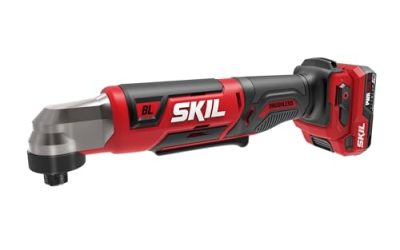
An impact driver is a compact rotary tool built to drive screws and bolts with high rotational force. Like a drill, it spins a bit. Unlike a drill, it adds an internal hammer-and-anvil mechanism. When the tool meets resistance, the motor keeps turning the hammer, which delivers rapid rotational strikes to the anvil and the bit. Those strikes add short bursts of extra twisting force on top of the steady push from the motor.
The practical effects are easy to feel. The tool pushes long screws into dense material without the bit camming out of the screw head as easily. Your wrist takes less of the reaction force, because much of the effort is delivered in short pulses rather than a continuous twist. The tool is also shorter and lighter than a typical drill, which helps in tight framing, between joists and overhead.
Impact drivers are at their best with:
- Structural and construction screws, lag screws and deck screws.
- Long fasteners into framing lumber, engineered lumber and fence posts.
- Repetitive driving, such as subfloors, decking and sheathing.
- Stubborn or slightly corroded fasteners where a steady drill would stall.
They are less suitable for delicate work. Cabinet hardware, thin trim, small electronics and anything where you need to stop at an exact depth are better served by a drill/driver with an adjustable clutch. Impact drivers also generally accept only hex-shank accessories, so the round-shank twist drill bits and hole saws you may already own will not fit a standard quick-release chuck.
Impact driver vs drill/driver
Many people ask which one to buy first. If you can only own one tool and your projects involve a lot of drilling holes, a drill/driver is more versatile. If most of your time goes to driving screws and fasteners, an impact driver does the job faster and with less fatigue. Most serious DIYers and tradespeople end up owning both, and many manufacturers sell them together as a combo kit, which is often a sensible way to buy.
| Feature | Impact driver | Drill/driver |
|---|---|---|
| Primary strength | Driving screws and bolts | Drilling holes, light to medium driving |
| Delivery of force | Steady rotation plus rapid rotational impacts | Steady rotation only |
| Typical size | Short and compact | Longer, often heavier |
| Chuck type | Quarter-inch hex quick-release | Keyless chuck for round and hex shanks |
| Precision control | Limited, no clutch | Adjustable clutch for depth and torque |
| Noise | Louder when impacting | Quieter |
| Best for | Decks, framing, lag screws | Cabinets, furniture, general drilling |
The Main Types of Impact Drivers
When people search for the best impact drivers, they are usually comparing tools within a few broad categories. Understanding the categories first makes the specification sheets much easier to read.
Corded versus cordless
Cordless models dominate because they are convenient and strong enough for nearly all work. Corded impact drivers exist, but they are uncommon, and the cord is a nuisance on a ladder or a roof. A corded tool can make sense in a fixed workshop where it runs for long stretches and you do not want to manage batteries, but for most buyers cordless is the right default.
Brushed versus brushless motors
A brushed motor uses carbon brushes that physically contact the spinning part of the motor. A brushless motor uses electronics to switch the current instead. In general, brushless motors run cooler, are more efficient, give longer run time per charge and need less motor maintenance. They typically cost more up front. If you drive many fasteners a week, brushless is usually worth it. For occasional use, a brushed tool is fine.
Compact versus full-size
Compact and subcompact models trade a little peak power for lower weight and shorter length. Full-size models offer more torque and can pair with larger batteries, but they are heavier and bulkier. Neither is better in every situation. The right choice depends on where you work and for how long.
Battery platform and voltage class
Cordless tools are grouped into voltage classes, and a battery from one platform generally does not fit another brand. Lower-voltage platforms tend to be lighter and aimed at light-duty work. The common 18V/20V class (marketed with either figure depending on the maker) is the mainstream choice for general construction. Higher-voltage lines target heavy professional use. Because batteries are usually the largest long-term cost, it is worth checking what else a platform offers before committing.
| Type | Typical strengths | Typical trade-offs | Suits |
|---|---|---|---|
| Brushed cordless | Lower cost, simple design | Less efficient, shorter run time, brush wear | Occasional home use |
| Brushless cordless | Efficient, cooler, long-lasting, often more compact | Higher upfront cost | Regular DIY and professional use |
| Compact / subcompact | Light, short, easy to use overhead | Lower peak torque | Cabinetry, trim, tight spaces, long days |
| Full-size | High torque, supports larger batteries | Heavier, longer | Decks, framing, heavy fasteners |
| Corded | No battery to charge or replace | Cord limits movement and safety on ladders | Fixed workshop stations |
Key Features Explained
Spec sheets are crowded with numbers and claims. These are the ones that actually change how the tool behaves in your hands.
Torque
Torque is the twisting force the tool can deliver, and manufacturers quote it in inch-pounds or newton-metres. Higher numbers generally mean the tool can drive larger fasteners and handle tougher resistance. Be careful, though: companies measure and describe torque in different ways, including “fastening torque” and “breakaway torque”, and the figures are not always comparable across brands. Use torque as a rough tier indicator, not as a precise ranking. A tool that sits comfortably in the middle of the market is enough for most deck screws and lag screws.
Impacts per minute and speed
Impacts per minute (IPM) describes how fast the hammer strikes. Speed is given in rotations per minute (RPM). Higher figures usually mean faster driving in softer materials, but there is a catch. Maximum speed is useful when you are running screws into soft lumber and painful when you are trying to start a small screw without stripping it. The best tools offer multiple speed or mode settings, or a trigger with enough travel to let you ease into the work.
Variable speed modes and trigger control
Many modern models include selectable drive modes. A low or precision mode slows the tool for small screws and delicate materials. A high mode delivers full power for large fasteners. Some include a mode that reduces the force as the screw seats, which helps prevent snapping or overdriving. If you do mixed work, these modes are one of the most valuable features on the list.
Chuck and bit retention
Most impact drivers use a quarter-inch hex collet. You pull the collar forward and push the bit in, and it locks. Look for a collar that is easy to operate with gloves on and holds bits firmly without wobble. A loose collet makes screws wobble and wastes energy.
Work light, belt hook and bit holder
These sound minor but you will use them every day. A light helps in dark cavities. A belt hook keeps the tool on you when you are climbing. A magnetic bit holder in the housing saves time on tasks that alternate between bit sizes.
Battery capacity and run time
Battery capacity is rated in amp-hours (Ah). A higher number means more run time, and also more weight and cost. A compact battery makes the tool nimbler, while a larger one helps through a long afternoon of decking. Because capacity affects balance, try to judge the combination of tool and battery rather than the tool alone.
| Feature | What it does | Matters most when |
|---|---|---|
| Torque rating | Sets the upper limit for fastener size | Driving lag screws or structural screws |
| Multiple speed modes | Lets you reduce power for small fasteners | You do varied work, not only heavy driving |
| Brushless motor | Improves efficiency and lifespan | You use the tool often or for long sessions |
| Tool length and weight | Affects reach and fatigue | Working overhead or in tight spaces |
| Battery capacity | Determines run time per charge | Long jobs without easy access to a charger |
| LED work light | Illuminates the fastener | Basements, attics, cabinets |
| Hex collet quality | Holds bits securely | Always; poor retention is a daily annoyance |
Sizing for the Job: Power, Weight and Space
The easiest way to choose is to start with the work, not with the tool. Write down the five fasteners and materials you expect to handle most, then map them to a category.
Light household work
Assembling furniture, hanging shelves, installing hinges and fixing small fences require modest power. A compact or subcompact tool with a small battery handles these jobs well, and its low weight makes it comfortable. You will gain little from a high-torque model.
Deck building and fence work
Long deck screws and structural fasteners in pressure-treated or dense lumber are where a mid-to-high torque model starts to justify itself. Pre-drilling is still wise near board ends and in hardwoods to avoid splitting. A larger battery helps, as does a model with a firm, reliable bit collet.
Framing and heavy construction
Professionals driving large screws all day need power, thermal protection and run time. A full-size brushless tool with a higher-capacity battery and a spare is the sensible approach. Carrying a second battery on the charger means you never wait.
Tight spaces and overhead work
Between studs, under cabinets and inside engine bays or crawl spaces, tool length is as important as power. A short head and a lightweight body let you work without twisting into awkward positions. If you spend long periods with your arms raised, every ounce counts.
Weight and balance
Pick up the tool with a battery fitted if you can. A tool that feels slightly nose-heavy or tail-heavy gets tiring over hundreds of repetitions. Handle shape and grip texture matter more than most spec lines suggest, especially for people with smaller hands.
Bits, Accessories and Setup
A great driver paired with poor bits will strip screws and frustrate you. A few choices make a big difference.
Use impact-rated bits
Standard bits are designed for steady rotation and can shatter under repeated impact. Bits labelled as impact-rated are made from tougher steel and often feature a torsion zone that flexes slightly to absorb shock. Using these is both a performance and a safety matter, because a brittle bit that breaks under load can throw fragments.
Match the bit to the screw head
Common head types include Phillips, square (Robertson), Torx-style star, and slotted. Star and square heads generally resist cam-out better than Phillips under high torque, which is why many construction and deck screws use them. Whatever the head, the bit must fit snugly and fully engage. Wear is cumulative, and a rounded bit tip should be replaced rather than pushed through one more job.
Use the right length and holders
Short bits keep you straight on and reduce wobble. Longer bits and extensions help reach recessed fasteners but add flex. Magnetic bit holders help with one-handed work and keep screws aligned. Nut drivers and socket adapters for hex-shank tools extend the tool to bolts, although you should keep the torque of the tool in mind so as not to overtighten small hardware.
Setting up for the first use
- Charge the battery fully before first use, following the maker’s instructions.
- Remove the battery before changing bits or doing any adjustment.
- Select the lowest suitable mode or speed first and increase if needed.
- Seat the bit fully and tug it to confirm the collet has locked.
- Test on scrap material so you know how the tool responds before touching the real workpiece.
- Check the direction switch: forward drives, reverse removes.
For hole drilling, pair your impact driver with hex-shank drill bits made for the purpose, such as spade bits or special impact-rated twist bits. Regular round-shank drill bits do not fit a hex collet and should not be forced into it. If you drill often, a separate drill is the better solution. An impact-rated bit set in the sizes you use most is typically one of the best-value accessories you can buy.
Safety Essentials
Impact drivers are compact, but they deliver a lot of force and make a lot of noise. Basic precautions prevent most injuries.
- Wear eye protection. Bits can break, screws can snap and debris can fly. Safety glasses rated to a recognised standard are the minimum.
- Protect your hearing. The hammering action is loud, especially in enclosed spaces or when driving into masonry anchors. Repeated exposure adds up, so use earplugs or earmuffs during extended use.
- Secure the workpiece. Clamp small or loose material instead of holding it with your free hand. A bit that slips can cut or puncture.
- Keep hands and clothing clear. Avoid loose sleeves, dangling lanyards and jewellery near the rotating chuck.
- Check for hidden hazards. Before driving long fasteners into walls, floors or ceilings, consider that wires, pipes and other services may be hidden behind the surface. A detector and careful positioning reduce the risk, and if you are unsure, get qualified advice.
- Use the right stance. When a large fastener binds, the tool can twist suddenly. Keep a firm two-handed grip where practical, brace yourself, and keep your body out of the line of any bit or fastener that might snap.
- Disconnect the battery for changes. Remove it before swapping accessories, clearing jams or storing the tool.
- Handle batteries carefully. Lithium-ion packs should not be crushed, punctured, soaked or left in direct heat. Use only the charger intended for the pack, and stop using any battery that is swollen, leaking or unusually hot.
- Read the manual. It contains the specific warnings, temperature limits and charging guidance for your model.
Dust is another consideration. If you are driving fasteners through materials that release dust, such as treated lumber, cement board or old painted surfaces, use appropriate respiratory protection and follow local guidance, especially for older materials that might contain hazardous substances.
Maintenance and Battery Care
Impact drivers are among the more forgiving tools to own, but a little routine care extends life noticeably.
Keep the tool clean
Wipe sawdust and debris from the vents, collet and housing with a dry cloth or soft brush. Blocked vents raise internal temperature. If compressed air is used, wear eye protection and keep the pressure moderate. Avoid soaking the tool or using harsh solvents on plastic housings.
Look after the collet and bits
Check that the collet moves freely and locks positively. A drop of light machine oil is sometimes recommended by makers, but follow the manual for your tool. Discard bits that are rounded, cracked or bent. Fresh bits are cheaper than ruined screw heads, and far cheaper than a visit to the clinic.
Battery care
- Store batteries somewhere dry and moderate in temperature, away from direct sun and freezing conditions.
- Avoid charging a very hot pack straight after heavy use; let it cool a little first, as the manual advises.
- For long storage, many makers suggest leaving packs partially charged rather than empty or at 100 percent.
- Keep terminals clean and free of metal objects that could bridge them.
- Rotate packs so that they wear evenly if you own more than one.
Know when to service or retire a tool
Persistent grinding noises, a collet that no longer holds, intermittent power, burning smells and a cracked housing are all signs to stop and have the tool inspected or replaced. Check the warranty terms, which differ by maker and by whether the tool is used professionally.
Common Mistakes to Avoid
- Buying on peak torque alone. A very powerful tool is no use if it is too heavy to hold overhead, or too aggressive for the small screws you drive most.
- Ignoring the battery platform. If you already own cordless tools, buying into the same platform may save money. If you do not, consider what else the system offers before choosing.
- Using ordinary bits. They wear fast and can shatter. Impact-rated bits are inexpensive insurance.
- Overdriving screws. The impact mechanism can sink a screw well beyond flush, stripping the thread in soft wood or snapping a fastener. Ease off the trigger as the head approaches the surface.
- Skipping pilot holes. Hardwoods and the ends of boards can split without them. A drill is the right tool for pilot holes.
- Leaning too hard. Heavy downward pressure does not help. Apply firm, straight pressure and let the mechanism work.
- Using an impact driver as a torque wrench. It does not control final tightness precisely. For fasteners with a specified torque, finish with the correct hand tool.
- Using it on fragile materials. Thin plastic, tile and some soft masonry can crack under impact.
- Neglecting a second battery. Waiting for a charge in the middle of a job is a bigger productivity killer than slightly lower torque.
- Running a worn or mismatched bit. A poor fit strips the screw head and makes removal harder.
Budget Tiers and Who Should Buy What
Prices change often and vary by region, so this section describes tiers by what you generally get, not by specific figures.
| Tier | What you typically get | Best for | Watch out for |
|---|---|---|---|
| Entry level | Brushed motor, basic housing, one or two speeds, smaller battery | Occasional household tasks | Shorter run time, less refined trigger, fewer modes |
| Mid range | Often brushless, multiple modes, decent battery, better ergonomics | Frequent DIY, deck and fence projects, home renovation | Check that the kit includes at least one good battery and a charger |
| Premium and professional | High torque, strong thermal management, durable construction, larger batteries, wider system compatibility | Daily trade use, long shifts, demanding fasteners | Cost and weight that may exceed what casual users need |
Who should buy what
- The occasional home user: An entry-level or compact mid-range tool is enough. Spend the savings on a good bit set.
- The weekend renovator: A mid-range brushless model with two batteries covers most projects comfortably.
- The deck and fence builder: Choose a higher-torque mid-range or professional model with a larger battery and a secure collet.
- The tradesperson: Prioritise durability, thermal protection, serviceability and system compatibility. A premium or professional tier tool pays off through uptime.
- The person who also needs to drill: Consider a drill/driver and impact driver combo kit, which often costs less than buying separately.
If you are comparing options online, cordless impact driver and drill combo kits are worth a look, since they bundle batteries and a charger, which are the most expensive parts of any cordless tool.
Buyer Checklist
Use this list when you compare any impact drivers side by side.
- [ ] I have listed the fasteners and materials I will drive most often.
- [ ] I know whether I need a compact tool for tight spaces or a full-size one for heavy work.
- [ ] I have decided if a brushless motor is worth it for my frequency of use.
- [ ] The tool has more than one speed or drive mode, or a trigger I find controllable.
- [ ] I checked the weight with a battery fitted and it feels balanced.
- [ ] The collet holds bits firmly and is easy to operate.
- [ ] I have compared the battery platform with tools I already own or may want later.
- [ ] The kit includes at least one battery, a charger and, ideally, a case.
- [ ] I have budgeted for impact-rated bits and safety glasses and hearing protection.
- [ ] I have read the warranty terms and confirmed that they cover my type of use.
- [ ] I know where to buy replacement batteries and how long the platform is likely to be supported.
Frequently Asked Questions
Can an impact driver replace a drill?
Not completely. It can drill with hex-shank bits, but it lacks an adjustable clutch and a chuck that accepts round shanks, so precise holes and delicate work are harder. Most people do best with both tools.
Is a brushless impact driver worth the extra cost?
For regular use, usually yes. Brushless motors are generally more efficient and run cooler, giving longer run time and a longer lifespan. For occasional tasks, a brushed model is often sufficient.
How much torque do I really need?
It depends on your fasteners. Light household work needs relatively little. Deck screws, structural screws and lag screws benefit from a mid-to-high tier tool. Treat published numbers as a guide to tier, not an exact comparison, because measurement methods vary.
Can I use regular drill bits and screwdriver bits in an impact driver?
Round-shank drill bits do not fit. Standard hex-shank screwdriver bits will fit, but they are not designed for repeated impact and may wear quickly or break. Impact-rated bits are the safer choice.
What size battery should I choose?
Smaller packs keep the tool light and are fine for short tasks. Larger packs give longer run time for big jobs but add weight. Many users keep one of each, or two mid-sized packs so there is always one charged.
Can I use an impact driver on masonry or concrete?
Generally no, not for drilling. Impact drivers do not have the hammer action of a rotary hammer, and they are not intended for drilling into masonry. Some are used to drive masonry screws into pre-drilled holes, but check the fastener maker’s instructions and use proper dust protection.
Why does my impact driver strip or snap screws?
The usual causes are too much speed or power for the fastener, a worn or mismatched bit, a missing pilot hole, or leaning on the tool too hard. Lower the drive mode, change the bit and ease off the trigger near the end.
How long do cordless impact drivers last?
There is no single answer. Motor and housing life depend on build quality and workload, while batteries typically wear out sooner than the tool, as they lose capacity with charge cycles and age. Proper storage and avoiding heat extend life.
Conclusion
The best impact drivers are not defined by one standout specification. They are defined by fit: enough torque for your fasteners, a weight and length that suit where you work, a battery platform you will be happy to live with, and a control system that lets you avoid stripping screws. Start from your projects, decide between compact and full-size, choose brushless if you work often, and invest in good bits and basic protective gear. Do that, and almost any well-regarded model in the right tier will serve you well for years.
If you are ready to compare options, a bundled kit is often the most economical starting point, and safety glasses and hearing protection are inexpensive additions you should not skip. For deeper gear planning, you might also check spare batteries and chargers that match your chosen platform.
Disclosure: As an Amazon Associate, loapowertools.com earns from qualifying purchases. If you buy through links on this page, we may earn a commission at no extra cost to you.
Related guides
More from Amazon
Programs that pair well with the guide above. Offers and eligibility are set by Amazon and may change.
A free business account with business pricing and bulk-buying tools for work, shop or home office.
Create a business accountFree shipping on eligible items, Prime Video and more. Eligible new members can start with a free trial.
Start a Prime free trialAudiobooks and podcasts to listen to on the go. Eligible new members can start with a free trial.
Try Audible freeAd-free music streaming. Eligible new subscribers can start with a free trial.
Try Music Unlimited freeAs an Amazon Associate we earn from qualifying purchases.
Write Your Review
No reviews yet. Be the first to share your experience!