What's inside
As an Amazon Associate I earn from qualifying purchases. This post may contain affiliate links at no extra cost to you.
The short answer
A manual crimper is usually the sensible choice for occasional plumbing repairs. It costs less, needs no battery, and can make sound connections if the tool and fitting are compatible and the jaws are fully closed. A cordless press tool earns its price when you make many connections, work in awkward spots, or need a repeatable process without squeezing hand levers all day.
These tools do not make interchangeable joints. A press tool is for compatible press fittings and specified jaws; a manual crimper is commonly used with PEX crimp rings and the correct size crimp tool. Check the pipe, fitting, and tool manufacturer’s instructions before buying. “Crimper” is also used loosely in listings, so verify the exact system a tool supports.
As an Amazon Associate we earn from qualifying purchases at no extra cost to you.

How the tools differ
A manual PEX crimper compresses a copper ring around tubing and a fitting. You position the ring, center the tool jaws over it, and close the handles through the full stroke. The job is simple, but the result depends on the right ring, tool size, placement, and a complete crimp. A go/no-go gauge, when specified for the system, helps check the finished connection.
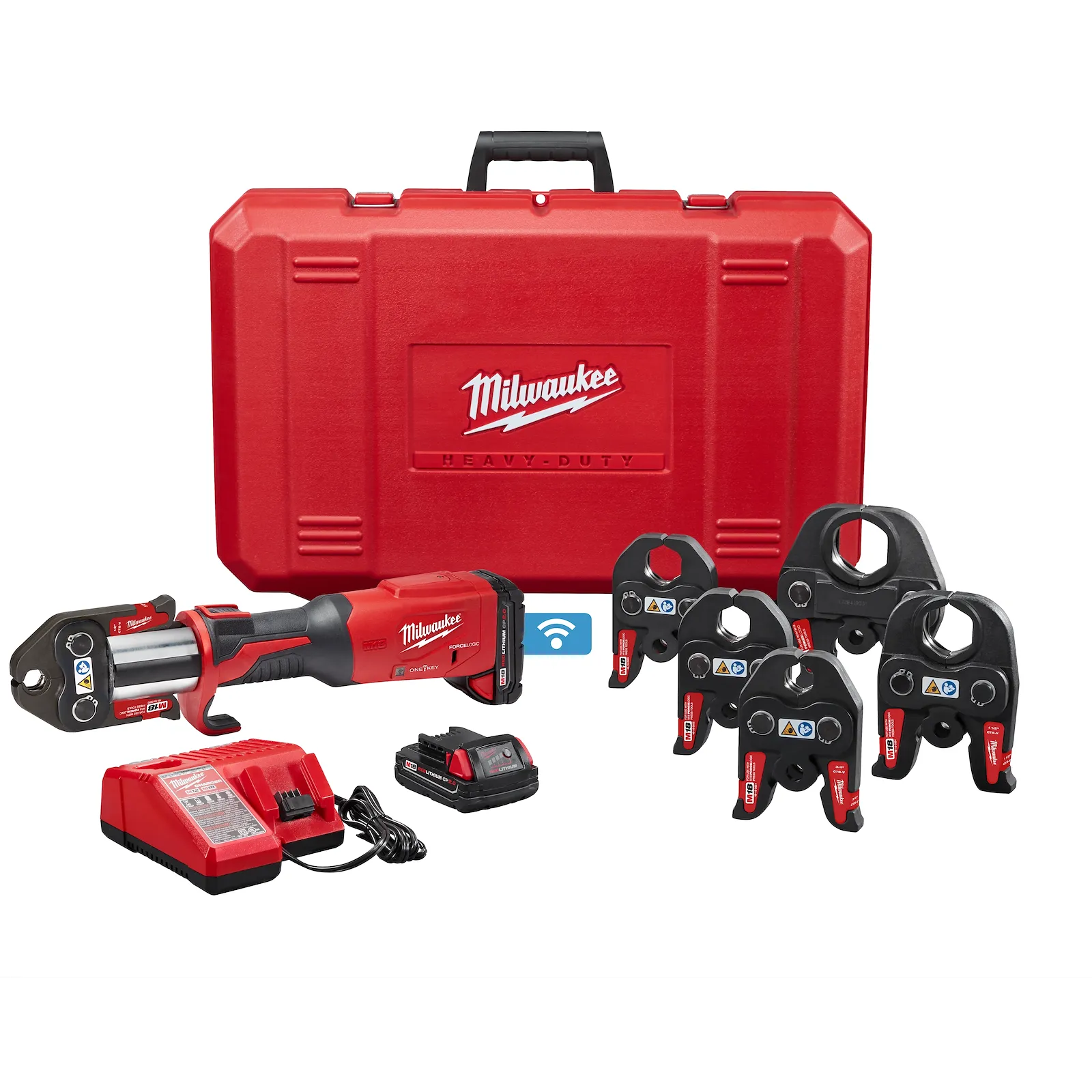
A cordless press tool drives jaws around a press fitting to create the connection in one powered cycle. It may be designed for copper press fittings, PEX systems, or both, depending on the tool and available jaws. Press tools are heavier and costlier, but the motor supplies the force. Many include a cycle indicator or lockout intended to prevent a partial cycle; follow the manufacturer’s procedure rather than assuming every tool signals completion the same way.
Side-by-side comparison
| Factor | Manual crimper | Cordless press tool |
|---|---|---|
| Best fit | Occasional PEX repairs and short runs | Frequent work or multiple press connections |
| Upfront cost | Low; basic tools can cost tens of dollars | Often hundreds to well over $1,000, depending on kit and system |
| Physical effort | High per connection; more tiring in batches | Low squeezing effort; tool weight and positioning still matter |
| Access | Long handles need room to open and close | Compact jaws can help, but the tool body needs clearance |
| Compatibility | Specific to ring, tube, and fitting system | Specific to tool, jaw profile, fitting system, and size |
| Power needs | None | Battery, charger, and a compatible platform |
When a manual crimper is enough
For one leak repair or a few new PEX connections, a manual tool is hard to beat on value. A basic crimper does not need charging, and a dead battery cannot stop the job. If you already own a suitable tool and the repair uses its matching fittings, buying a press tool for a single connection is rarely justified.
Manual tools have limits. Long handles can be difficult to swing between joists or near a wall. The effort adds up over dozens of crimps, and inconsistent placement or an incomplete stroke can produce a connection that fails a gauge check or leaks under pressure. Don’t compensate by forcing the tool at an odd angle: reposition the pipe or use a tool designed for that access. For a small PEX repair, compare manual PEX crimp tool kits, and confirm the kit’s sizes match your tubing and rings.
When cordless is worth it
A cordless press tool makes more sense for repeated work: fixture rough-ins, remodels with many joints, or service calls where speed and consistent powered cycles matter. It also avoids the wide handle sweep a manual crimper needs, though the tool head and battery still require room. Try the tool in the actual work area if clearance is tight.
The purchase price is only part of the cost. Check which jaws are included, whether additional sizes are sold separately, the battery and charger cost, and whether the tool is compatible with fittings you can readily buy. A press tool’s battery may fit other tools from the same brand platform, but that only saves money if you already own those batteries. If you are comparing kits, search for cordless plumbing press tool kits; verify jaw compatibility and included accessories rather than judging by the platform name alone.
Battery condition matters on a service call. Bring a charged spare if the job has many connections, and check the manufacturer’s cycle and maintenance requirements. A press tool can be unavailable if its battery is flat, its jaw is the wrong profile, or the fitting system is incompatible. It is not a universal substitute for a crimper.
Avoid common failures
With either tool, first verify pipe size, fitting type, and the connection method. Cut tubing square, prepare it as the fitting instructions require, and keep dirt and damage off sealing surfaces. For crimp rings, use the specified ring and tool size, position the ring correctly, close the handles fully, then gauge the crimp if the system calls for it. For press fittings, use the specified jaw profile and size, seat the pipe to the marked insertion depth, and complete the tool’s full cycle. A wrong jaw or a pipe that is not fully inserted can leave a connection that looks acceptable but leaks.
After making the repair, inspect the joints and pressure-test the system according to local requirements and the fitting manufacturer’s instructions before closing a wall or ceiling. If the line serves gas, fire protection, or another regulated system, do not assume a general plumbing tool or fitting is approved for it. Follow applicable codes and use a qualified plumber where required.
What to buy for your job
For occasional PEX repairs, buy a manual tool that matches the exact ring system, plus the specified gauge if needed. For recurring press-fitting work, a cordless press tool can justify its cost through reduced effort and faster cycles, provided its jaws cover the sizes and fitting brands you plan to use. Before committing, price a complete setup: tool, jaws, battery, charger, and any required maintenance.
If you are unsure how often you will use a press tool, renting or borrowing one for a larger project can reveal whether its speed and access advantages matter in your work. For a couple of straightforward repairs, a compatible manual crimper is generally the more economical choice. For repeated jobs, invest in the cordless system only after confirming that its fittings, jaws, and batteries fit the work you actually do.
Related guides
- Longest Lasting Lawn Mower Battery: AGM vs Lithium vs Flooded Lifespan and Cost per Season
- Duralast Gold Lawn Mower Battery Review: U1 Fit, CCA and When to Pay for AGM
- Greenworks Pro 80V 21-Inch Mower Review: Runtime Math, Push vs Self-Propelled and Yard Fit
- Bosch High Pressure Washer Gun Replacement: Fittings, Adapters and What Fits Your Model