Our Top Picks
 Power Drill Cordless: DEKOPRO Cordless Drill 20V Electric20v drill2 x 2 x 2 inches2.5 poundsCheck on Amazon
 BLACK+DECKER 20V MAX* POWERCONNECT Cordless Drill Driver KitDrill Project Kit15.5 x 5.6 x 14.4 inches6.1 PoundsCheck on Amazon
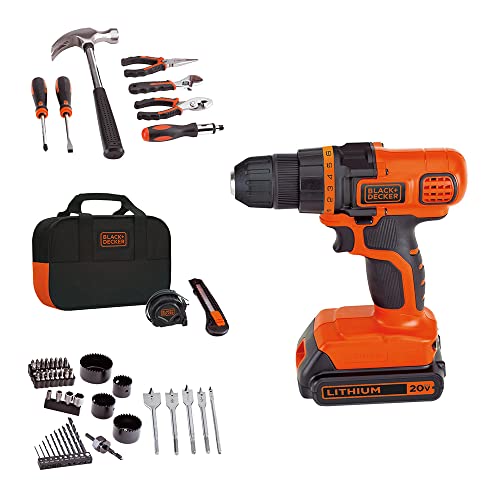 BLACK+DECKER 20V MAX 68-Piece Cordless Drill and Home20 V19.5 x 3.6 x 13.6 inches4 poundsCheck on Amazon

What's inside
As an Amazon Associate I earn from qualifying purchases. This post may contain affiliate links at no extra cost to you.
“Budget” doesn’t have to mean “junk.” Several brands deliver genuinely reliable tools at prices that won’t hurt — if you know which ones. Here’s our value ranking. The best budget power tool brands are not the ones with the lowest sticker price on a single tool. They are the ones where your second, fifth and tenth purchase also stays cheap.
That distinction is where most buying decisions go wrong. Two drills can sit on the same shelf at the same price, and one is a good deal because the pack that runs it also runs a recip saw, a sander, a work light and an inflator. The other is a good deal exactly once, then a dead end. Value here is a five-year number, not a checkout number.
As an Amazon Associate we earn from qualifying purchases at no extra cost to you.
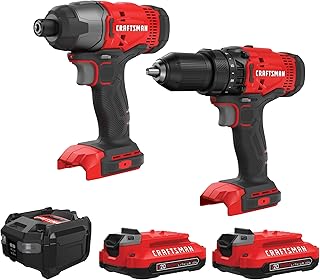


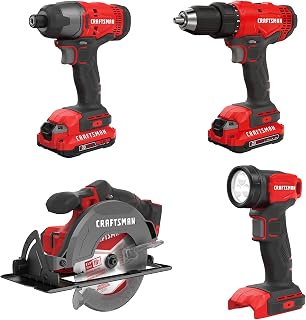



So the ranking below is built on how a brand behaves over those five years: how wide the shared-battery lineup is, what a replacement pack costs, whether service and warranty are real or theoretical, and how much filler is mixed in with the good stuff under the same badge. We’re not quoting prices, because budget tools live on sale cycles and any number here would be wrong within a month. Buying criteria hold up year-round.
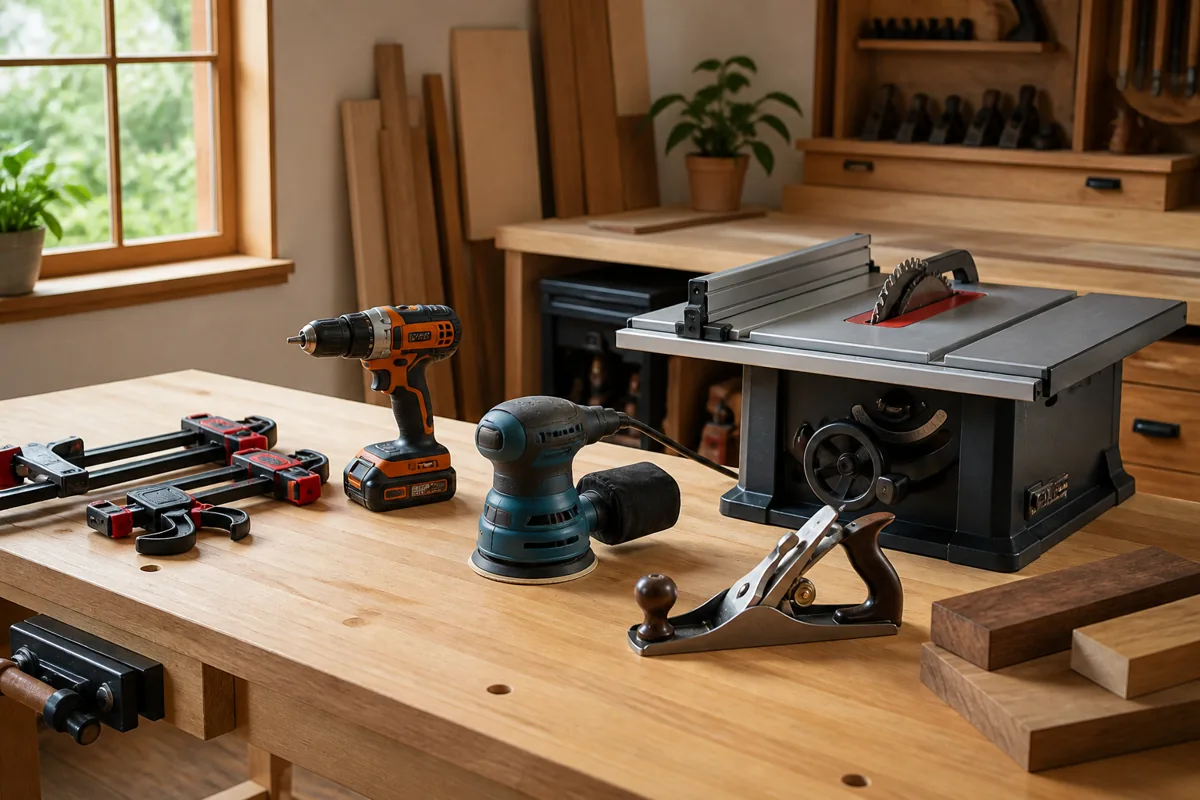
How To Judge A Budget Brand Before You Buy Into It
Five things decide whether a cheap platform stays cheap, listed in the order that actually matters — which is not the order most people use in the aisle.
- Lineup breadth on one battery. List the tools you might want in five years, then check they all exist on the same pack. Breadth is a budget brand’s biggest value multiplier, because every bare tool after the first kit skips the cost of a battery and charger.
- What a replacement pack costs. Batteries are the recurring expense of cordless ownership, and every one of them eventually dies. Cheap tools plus expensive proprietary packs is not a budget brand, it’s a subscription.
- Where the warranty is honored. A long warranty you have to box up and ship is worth less than a short one handled at a counter. Find out whether registration is required, and keep receipts, because budget claims usually hinge on proof of purchase.
- How many sellers stock it. Store-exclusive platforms are convenient right up until the only place that sells your batteries is out of them. Multiple sellers keep pack prices honest.
- Consistency under one badge. Budget brands sell their best and worst tools in the same aisle, sometimes in the same kit. Judge the specific tool, not the logo.
Weigh them in that order. Breadth and pack cost decide most of your five-year spend, warranty and availability decide how annoyed you’ll be when something fails, and individual specs matter least. At this price you aren’t choosing between good and great, you’re choosing between a tool that finishes the job and one that quits.
Best budget ecosystem
The top budget brand wins on sheer selection and shared batteries — one platform that grows cheaply as you add tools. For homeowners, the value is unmatched.
Enter it the way you’d enter a pro platform: a two-tool drill and impact driver kit, two batteries, one charger. Skip the six-piece bundle. Those boxes pad the count with a flashlight, a brushed circular saw and a sander you’ll replace inside a year, and they’re priced as though you wanted all of it. Buy the core kit, then add bare tools one job at a time. That is the entire reason to be on a broad platform.
Battery strategy is simple: one compact pack for overhead and confined work, one high-capacity pack for saws and long sessions. These lineups are strongest at the high-count, low-duty end — drills, drivers, lights, inflators, blowers, vacuums — and thinnest wherever a motor has to work for a long stretch. The cheapest brushed circular saw or grinder in the range is the tool that will disappoint you, and it’s usually the one padding a bundle.
Top Budget Brand Starter Kit
A huge, affordable ecosystem where one battery runs dozens of tools. The best way for a homeowner to build a full cordless arsenal without spending pro-tool money.
- ✔ Reliable for the price
- ✔ Huge shared-battery lineups
- ✔ Great for homeowners
- ✔ Room to grow cheaply
- ✘ Not built for daily pro abuse
- ✘ Fewer high-end options
This suits homeowners, first-time DIYers, weekend woodworkers and anyone whose tool use is measured in hours per month. Skip it if you’re on site every day, and skip it if you already own a pro platform, because a second battery system is a tax you pay in chargers, shelf space and half-charged packs you never reach for.
What Separates A Good Pick From A Bad One At Each Price Band
Budget isn’t one price band, it’s three, and each one fails differently.
Rock bottom: discount house brands and unbranded imports
Fine for single-purpose, low-precision, occasional tools — a corded angle grinder, a heat gun, a random orbit sander, a shop vac, a corded recip saw you only use for demo. A bad bet anywhere precision or safety is the actual product: stationary saws with flexing tables and fences that won’t lock square, miter saws whose detents don’t repeat, and cordless tools on an orphan battery format nobody supports. If you can handle one before buying, check chuck runout, blade wobble and whether the fence locks without shifting. A brand like Wen earns its place here for a benchtop tool you use a few weekends a year, not for the tool you reach for daily.
The middle: mainstream shared-battery platforms
Ryobi, Craftsman V20, Kobalt and the store-brand systems beside them live here, and this is where value actually gets decided. The good pick is the brushless version of a tool that works hard. The bad pick is the older brushed model still on the shelf for nearly the same money. Look for a metal chuck, a trigger with a usable low end, and a charger that isn’t the slowest one the brand sells. Watch for kits pairing a current tool with a previous-generation battery, because the pack is the part you’re stuck with.
Top of budget: the prosumer edge
Skil, Metabo HPT and Ridgid sit at the top of the band, along with last-generation and factory-refurbished pro tools that fall into the same money. This is the right band when your project list is long and repetitive rather than occasional. It’s also where a refurbished pro tool often beats a new budget one, provided you check what warranty it carries and whether a battery comes with it.
Mistakes That Turn A Cheap Tool Into An Expensive One
- Buying the tool instead of the platform. The first kit is a five-year commitment to a battery shape. Choose it like one.
- Collecting platforms. Two or three battery systems means three chargers, three sets of dying packs, and never having the right one charged.
- Bargain aftermarket batteries. Unknown-seller packs overstate capacity and cut corners on protection circuitry. This is the one place in a budget build where cheap is genuinely dangerous.
- Saving money on consumables. The blade or bit in the box is a placeholder, and most “this tool is junk” verdicts are really blade verdicts.
- Going budget on the tool you’ll run for hours. Duty cycle, not price, separates the tools you can cheap out on from the ones you can’t.
- Never registering the tool. Warranty and service terms on budget brands are often conditional. Register it, keep the receipt, note the date.
When to spend more
Three signals tell you you’ve outgrown a budget platform, and none of them is a spec. Duty cycle is the first: the same tool in your hand for hours, several days a week. Compounding accuracy is the second — a fence, a table, a detent that has to repeat, because a saw that sits slightly off turns every cut downstream into a fitting problem. Cost of downtime is the third: if a dead tool means a paid crew standing around or a house sitting unfinished, you’re buying reliability, not features.
Budget brands are perfect for DIY and occasional use. If you’re going pro, step up to a premium line for durability. For most readers, a budget platform plus our five essential tools is the smart, affordable start.
FAQ
Can I use budget batteries in a pro-brand tool?
No. Different platforms use different terminals and different communication between pack and tool. Third-party adapters exist, they bypass protections designed to stop overheating, and they void warranties at both ends. Pick one platform and stay on it — the savings never justify the risk.
Is brushless worth it on a budget brand?
On tools that work hard, yes: drill, impact driver, recip saw, circular saw. Brushed motors heat up under sustained load, and heat is what kills cheap tools. On low-duty tools like a detail sander, an inflator or a work light, brushed is fine and the difference is better spent on another battery.
How many batteries do I need to start?
Two, plus a third whenever you find yourself waiting on a charger. One compact for overhead and confined work, one high-capacity for saws and long runs. Buy extra packs bundled with a tool you already wanted rather than on their own, because bare packs are the worst value in the category.
Is a refurbished pro tool better value than a new budget tool?
It depends what’s in the box. A refurbished bare tool with a short warranty and no battery isn’t a bargain unless you already own that platform. If it’s a kit with packs and a warranty you can use, the pro tool usually wins on durability and resale.