Loa Power Tools

Ranked best-of lists for power tools, curated so you can buy in minutes

Loa Power Tools

Ranked best-of lists for power tools, curated so you can buy in minutes

Best Of

Hilti Nuron Compact vs High-Capacity Packs: Choosing Battery Size for Jobsite Tools

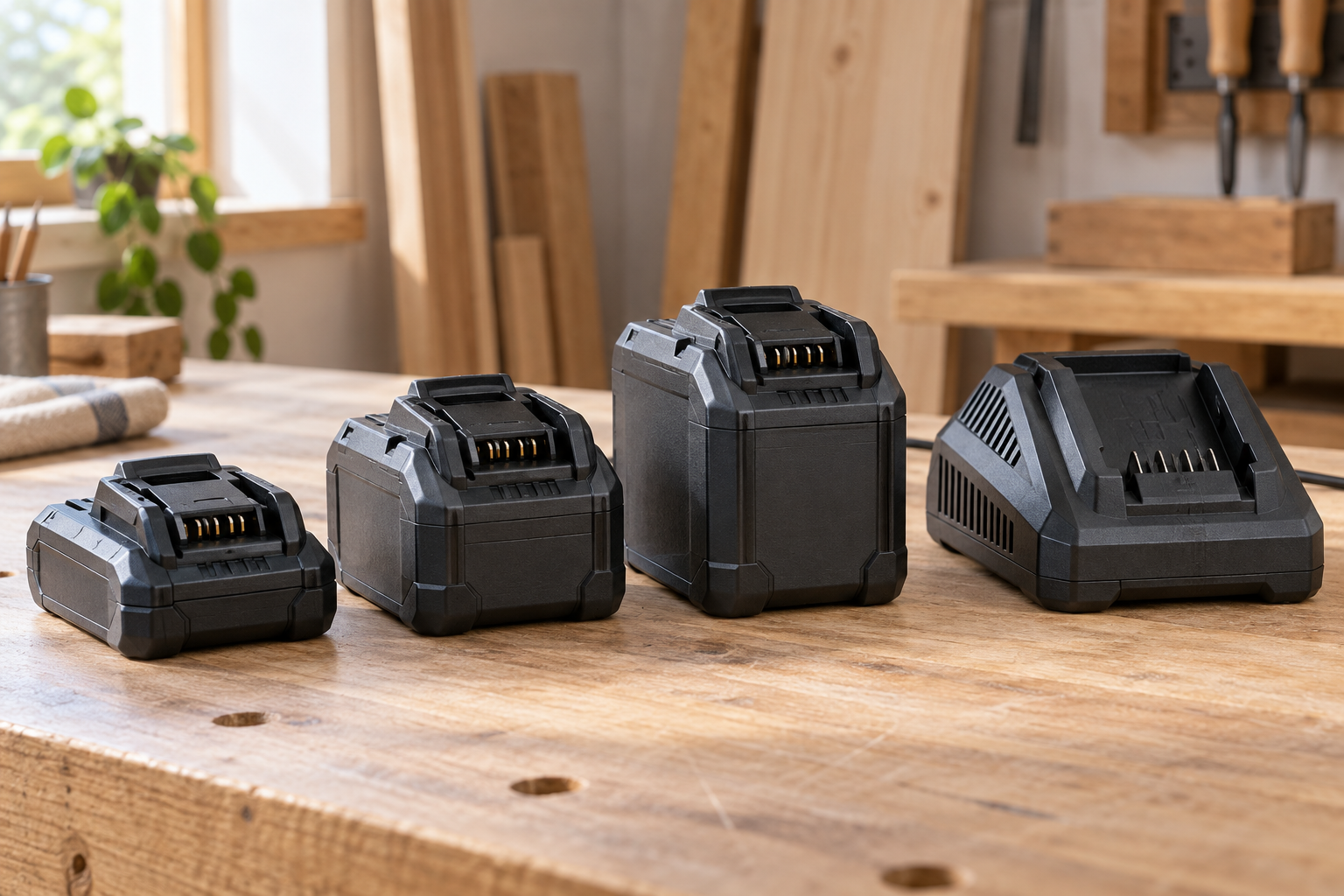
Battery size changes how a cordless tool behaves on the jobsite. A compact Hilti Nuron pack can make a drill or impact driver noticeably easier to control, while a high-capacity pack can keep a rotary hammer or saw working through a long cut without a battery change. The right choice depends less on maximum runtime […]
DeWalt 20V MAX vs FlexVolt: Choosing a Battery System for Mixed Tool Use

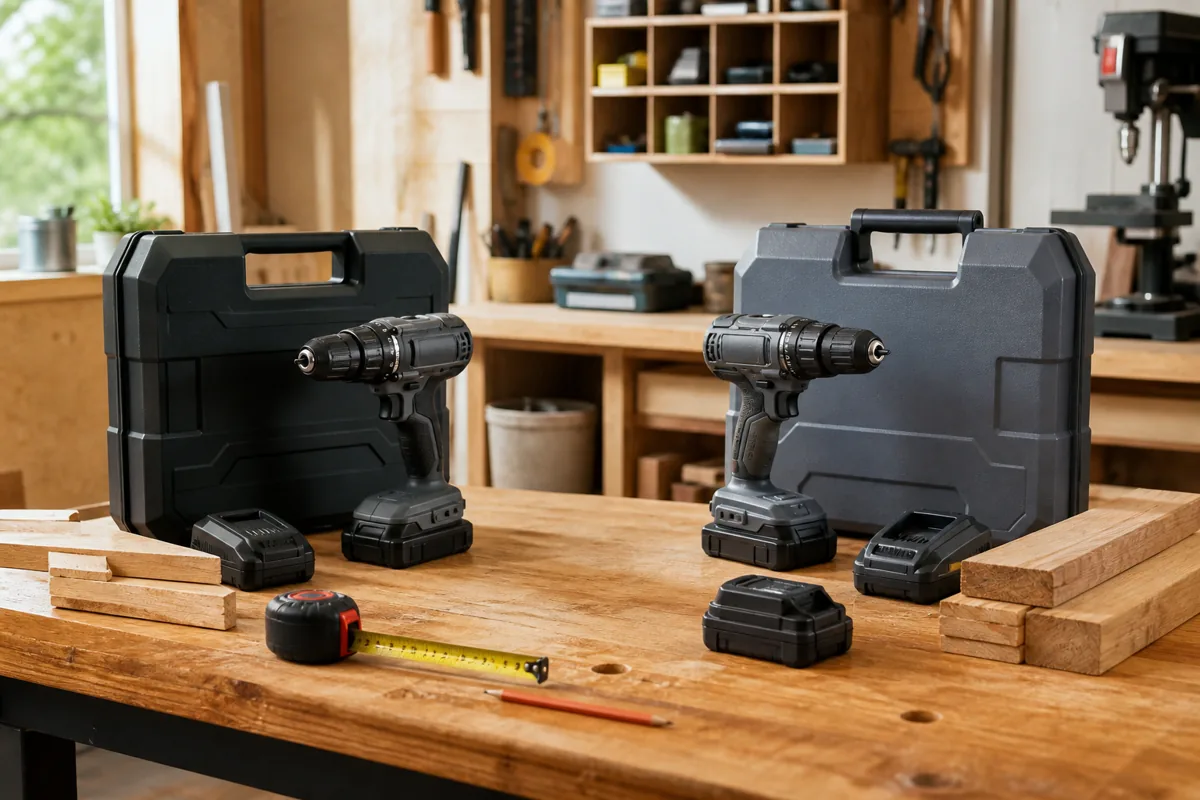
DeWalt’s 20V MAX and FlexVolt systems are compatible enough to look interchangeable, but they are built for different workloads. A FlexVolt battery can power most 20V MAX tools, while a standard 20V MAX battery cannot power tools designed only for FlexVolt’s higher voltage. That one-way compatibility is the key to choosing the right system. For […]

Festool 18V vs 12V Tools: Matching Battery Size to Precision Work

Choosing between Festool 18V and 12V is less about which voltage is stronger and more about how the tool handles the work. For cabinets, built-ins, and finish carpentry, weight and control can matter as much as runtime. But a smaller battery does not make every tool more precise, and an 18V tool is often the […]

Metabo HPT MultiVolt vs 18V: What the Dual-Voltage System Offers

Metabo HPT MultiVolt is not a separate battery size that replaces the brand’s 18V platform. It is a dual-voltage system: a MultiVolt battery can power compatible 36V tools, or work at 18V in compatible Metabo HPT 18V tools. That flexibility can save you from buying two battery systems, but it does not mean every battery […]

Ryobi ONE+ vs ONE+ HP: Choosing a Battery Platform for Home Workshop Tools

Ryobi’s ONE+ system is one of the broadest cordless tool platforms available for a home workshop. The important distinction is not battery voltage: both Ryobi ONE+ and ONE+ HP use 18-volt batteries and share the same basic battery mount. The difference is in the tool electronics, motors, and battery design. For light repairs, shelves, garden […]

Bosch 12V vs 18V Tools: Comparing Battery Size, Handling, and Capability

Bosch 12V and 18V tools are built around two different priorities. The 12V system is smaller, lighter, and easier to control in tight spaces. The 18V system delivers substantially more torque, runtime, and tool variety, but the batteries and tools add noticeable weight. The right choice depends less on the voltage printed on the battery […]

Milwaukee M12 vs M18: How to Decide Between Compact and Full-Size Tools

Milwaukee M12 and M18 are two separate cordless tool platforms, not small and large batteries for the same tools. M12 tools use 12-volt batteries; M18 tools use 18-volt batteries. A battery from one platform will not power a tool from the other. The practical choice comes down to the work you do, how much power […]

How to Set Charging Priorities When a Crew Shares Cordless Batteries

When several people share one cordless tool platform, the problem is rarely a lack of batteries. It is usually poor timing. A drill battery gets taken to a job site, a saw battery is left half-charged, and someone discovers that the only full pack is needed for a different tool. A simple charging priority system […]

How to Match a Cordless Charger to a High-Capacity Battery Pack

A high-capacity battery pack is not automatically compatible with every charger from the same tool brand. The voltage platform, battery chemistry, connector design, charging electronics, and communication contacts all matter. A charger that physically accepts a pack may still charge it slowly, refuse to charge it, or create a dangerous overcharge condition if it is […]

Scroll to top