Loa Power Tools

Ranked best-of lists for power tools, curated so you can buy in minutes

Loa Power Tools

Ranked best-of lists for power tools, curated so you can buy in minutes

Best Of

How to Compare Cordless Tool Battery Recycling Programs by Brand

Why battery recycling programs differ Cordless tool batteries are not ordinary household waste. Lithium-ion packs can short, heat up, and start a fire if they are crushed or allowed to contact metal. Older nickel-cadmium batteries also contain materials that should be recovered rather than sent to a landfill. The important distinction is between a brand’s […]

Cordless Tool Battery Rebuilding vs Replacement: Cost and Safety Considerations

When a cordless tool battery stops holding a charge, you usually have two choices: replace the pack with a new one or have the old pack rebuilt. Rebuilding can save money, but it is not simply a matter of installing fresh cells. The pack also contains wiring, temperature sensors, fuses, and—in many lithium-ion systems—electronic protection […]

How to Choose a Cordless Battery Charger for a Workshop with Limited Outlets

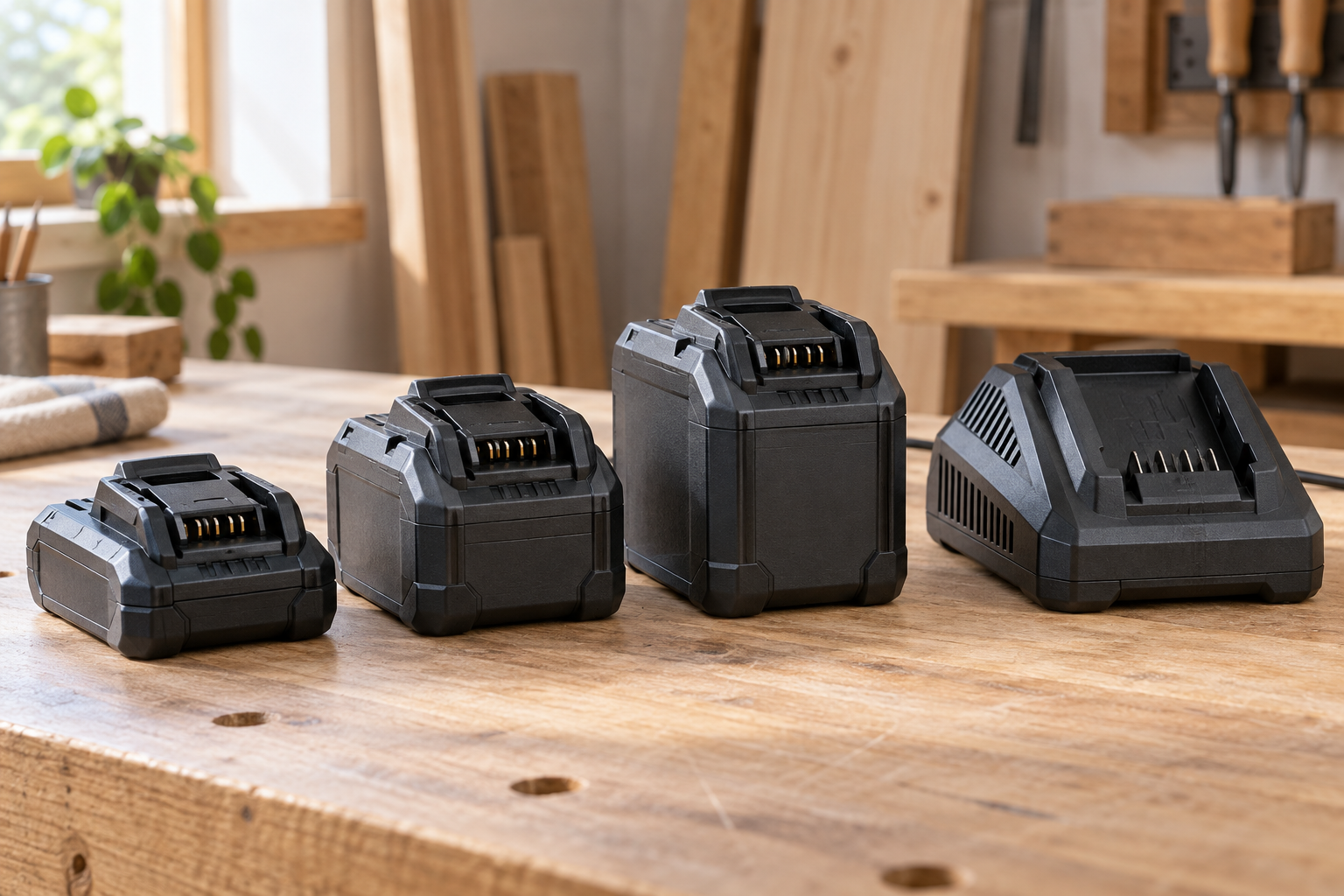
Start with the workload, not the number of bays A charger with four battery slots sounds useful in a crowded workshop, but the important question is how quickly it returns the batteries you actually use. Count the packs that run your most-used tools, their capacity in amp-hours (Ah), and how many you drain during a […]

Reconditioned Cordless Tool Batteries vs New Packs: What Buyers Should Know

A reconditioned cordless tool battery can cost 30% to 60% less than a new pack. Sometimes that is a sensible way to keep an older drill or saw working. Sometimes it is a poor substitute for a new battery, particularly when the pack will power a high-load tool such as a grinder, chainsaw, or circular […]

Aftermarket Cordless Tool Batteries vs Genuine Packs: Performance and Support

The real difference between aftermarket and genuine battery packs Aftermarket cordless tool batteries can cost 30% to 60% less than a genuine pack from the tool manufacturer. Some work well enough for light drilling, occasional assembly, and older tools. Others have poorly matched cells, inaccurate charge indicators, weak battery-management systems (BMS), or housings that do […]

How to Spot a Counterfeit Cordless Tool Battery Listing

A suspiciously cheap cordless-tool battery can be a bargain, a used pack, or a counterfeit. The difference matters: a bad battery may deliver less runtime than its label suggests, refuse to charge, overheat, or damage a tool or charger. You usually cannot prove a listing is genuine from photos alone, but you can combine the […]

How to Keep Battery Contacts Protected When Carrying Bare Tools

“Bare tool” usually means a cordless tool sold without a battery and charger. It may be cheaper and convenient when you already own an ecosystem, but the exposed battery interface needs protection during transport. Dust, metal shavings, moisture, and impact can damage the contacts or prevent the battery from locking in properly. The goal is […]

How to Store Cordless Tool Batteries in a Temperature-Controlled Workshop

Cordless tool batteries last longest when they are stored cool, dry, partly charged, and protected from physical damage. A temperature-controlled workshop makes this easier, but it does not remove the need for sensible charging and storage habits. Lithium-ion packs can lose capacity from heat, develop problems after deep discharge, and become unsafe if damaged or […]

How to Protect Cordless Tool Batteries from Vibration During Transport

Cordless tool batteries are built to survive jobsite abuse, but they are not designed to rattle loose in a truck bed for hours. Vibration can damage the battery case, wear the contacts, loosen charger components, and push a battery into a position where its terminals contact metal. The best protection is not expensive: keep batteries […]

Cordless Tool Battery Swelling: Causes, Warning Signs, and Safe Handling

A swollen cordless tool battery is a failed battery, not a case to squeeze back into shape or keep using until it quits. The pack may still run a drill, but swelling can signal internal damage that raises the risk of heat, fire, or a leak. Stop using and charging it, then handle and dispose […]

Scroll to top