What's inside
As an Amazon Associate I earn from qualifying purchases. This post may contain affiliate links at no extra cost to you.
Choosing a Cordless Cutoff Tool
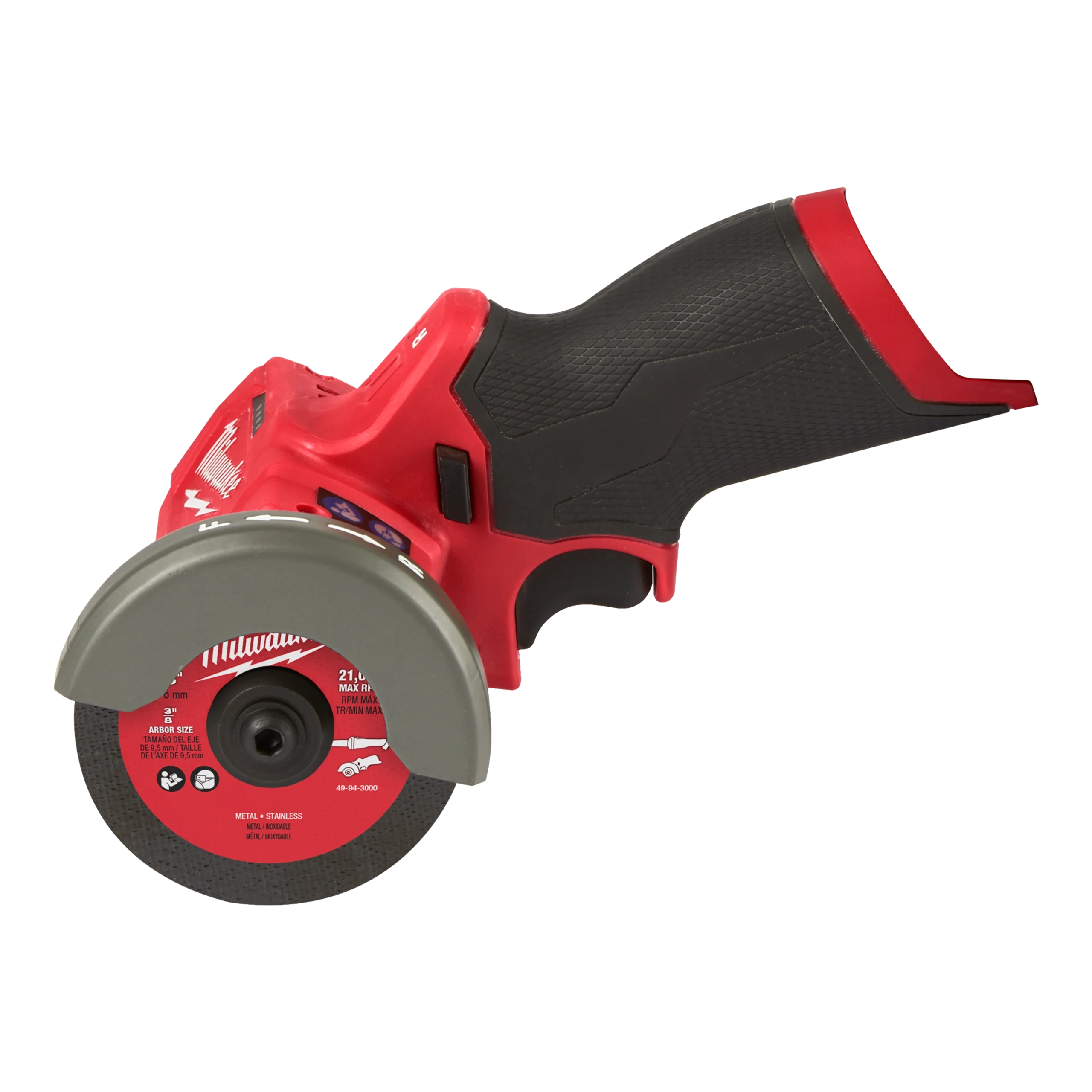
Cutting threaded rod and metal stock is one of the jobs cordless cutoff tools handle particularly well. They are faster and less awkward than a hacksaw, easier to control than a full-size grinder, and useful where an outlet is not available. The typical tool uses a 3- to 5-inch abrasive or diamond wheel and runs on the same battery platform as your drill or impact driver.
For most repair and installation work, a compact 3-inch or 3-1/2-inch cordless cutoff tool is the right choice. It will cut all-thread, angle iron, strut, sheet metal, conduit, bolts, and small tubing. A larger grinder with a cutoff wheel is better for thick plate and repeated heavy cutting, but it is heavier and easier to bind.
As an Amazon Associate we earn from qualifying purchases at no extra cost to you.


Start by matching the tool to your existing battery system. Buying a bare tool is usually sensible if you already own compatible batteries and a charger. Starting a new platform just for a cutoff tool is more expensive, although the battery may become useful for a drill, light, reciprocating saw, or other cordless hand tools.
What Matters in the Tool
Wheel size and capacity: A 3-inch wheel provides good access in crowded framing and mechanical spaces. A 4-1/2-inch tool gives more cutting depth and is more useful on angle iron, flat bar, and larger pipe. Check the manufacturer’s stated maximum cutting capacity rather than assuming the wheel diameter tells the whole story.
Battery size: A compact 2.0Ah battery keeps the tool light for overhead work, but it may run hot and require frequent changes. A 4.0Ah or 5.0Ah pack usually provides better sustained performance. The trade-off is weight: a small cutoff tool with a large battery can become tiring during repeated cuts.
Motor control: Electronic overload protection, a brake, and a paddle or slide switch are useful features. A brake stops the wheel quickly after releasing the trigger. Variable-speed control can help with thin sheet metal, plastic, or stainless steel, though it is not essential for ordinary mild steel.
Guard and adjustment: The guard should move or adjust without excessive fuss, and the tool should accept commonly available wheels. Some compact tools use proprietary wheel arrangements, so check replacement-wheel availability before buying. A spindle lock makes wheel changes easier, but always remove the battery before working near the wheel.
Best Cordless Platform Options
| Platform choice | Best for | Main advantage | Main drawback |
|---|---|---|---|
| Compact 18V or 20V cutoff tool | Threaded rod, bolts, conduit, light stock | Good balance of size, runtime, and availability | Limited depth on thick material |
| Higher-output 18V or 20V tool | Repeated cuts and heavier angle iron | Less bogging under load | Heavier batteries and higher cost |
| Compact 12V tool | Occasional rod, small bolts, and light sheet metal | Very light and easy to control | Shorter runtime and slower cuts |
| Cordless angle grinder | Thick stock, grinding, and mixed metal work | More power and broader accessory range | Heavier, louder, and less convenient in tight spaces |
If you already own a major 18V or 20V battery system, its compact cutoff tool is generally the sensible purchase. Browse cordless cutoff tools for your battery platform and compare wheel size, included guards, and bare-tool pricing. Do not choose solely by advertised voltage; battery compatibility and tool shape matter more for this application.
A 12V option is fine for a homeowner who cuts a few pieces of all-thread each year. It is particularly pleasant for overhead work and cabinet or equipment installation. The cheaper option is not a false economy when the workload is light. It becomes frustrating when you need to cut dozens of rods, 1/4-inch plate, or repeated lengths of angle iron.
How to Cut Threaded Rod Cleanly
Measure from the end and mark the cut with a paint marker. Clamp the rod firmly or hold it in a vise with at least 2 inches supported on each side of the cut. For long rods, support the free end so vibration does not turn the rod into a spring. A loose rod can catch the wheel, twist, and pull the tool sideways.
Use a thin metal cutoff wheel rated for the tool’s speed. Let the wheel reach full speed before touching the metal. Make a straight, controlled cut with light pressure. Forcing the wheel slows the motor, overheats the battery, and increases the chance of a wheel fracture. If the motor bogs noticeably, back off and let it recover.
Leave a small amount of thread beyond the nut’s final position when possible. After cutting, remove the sharp burr with a file or flap wheel. Thread a nut onto the rod before cutting; after the cut, unscrewing the nut can help reform slightly damaged threads. This trick cannot repair badly crushed threads, so avoid twisting the wheel at the end of the cut.
Wheels and Consumables
Thin wheels, commonly around 0.040 to 0.045 inch, cut quickly but are easier to damage through side loading. Thicker wheels tolerate rougher handling but remove more material and cut more slowly. Use abrasive wheels for ordinary steel and stainless-rated wheels for stainless steel. Diamond metal-cutting wheels can last longer in some work, but they cost more and still require proper guarding.
Do not use a cutoff wheel for grinding, prying, or cutting curves. Side pressure is a common failure mode. Inspect each wheel for chips, cracks, or distortion before installation, and discard wheels that have been dropped. Keep several spare wheels on hand; a cordless tool is not useful if the only wheel is worn out halfway through a job. A pack of metal cutoff wheels for a compact cordless tool is usually inexpensive insurance.
Safety, Runtime, and Maintenance
Wear safety glasses plus a face shield, hearing protection, gloves that do not fit loosely, and nonflammable clothing. Sparks can travel several feet and ignite sawdust, cardboard, insulation, or solvent vapors. Check the area behind the cut before starting, especially around wiring, fuel lines, and finished surfaces.
Expect roughly 20 to 60 short cuts per battery depending on rod diameter, wheel condition, battery size, and how aggressively you work. That range is deliberately broad: cutting 1/4-inch threaded rod is very different from cutting 1-inch angle iron. Keep a second charged battery if the job involves more than a few dozen cuts.
After use, brush metal dust from the guard and air vents. Do not pack a hot battery into a charger immediately; let it cool first. Replace a wheel when its diameter approaches the tool’s minimum specification or when cutting speed drops sharply. If you need both cutting and grinding, compare a cordless angle grinder in your existing platform instead. It is less nimble, but its larger wheel and accessory range may make it the better long-term tool.
Related guides
- Longest Lasting Lawn Mower Battery: AGM vs Lithium vs Flooded Lifespan and Cost per Season
- Duralast Gold Lawn Mower Battery Review: U1 Fit, CCA and When to Pay for AGM
- Greenworks Pro 80V 21-Inch Mower Review: Runtime Math, Push vs Self-Propelled and Yard Fit
- Bosch High Pressure Washer Gun Replacement: Fittings, Adapters and What Fits Your Model