What's inside
As an Amazon Associate I earn from qualifying purchases. This post may contain affiliate links at no extra cost to you.
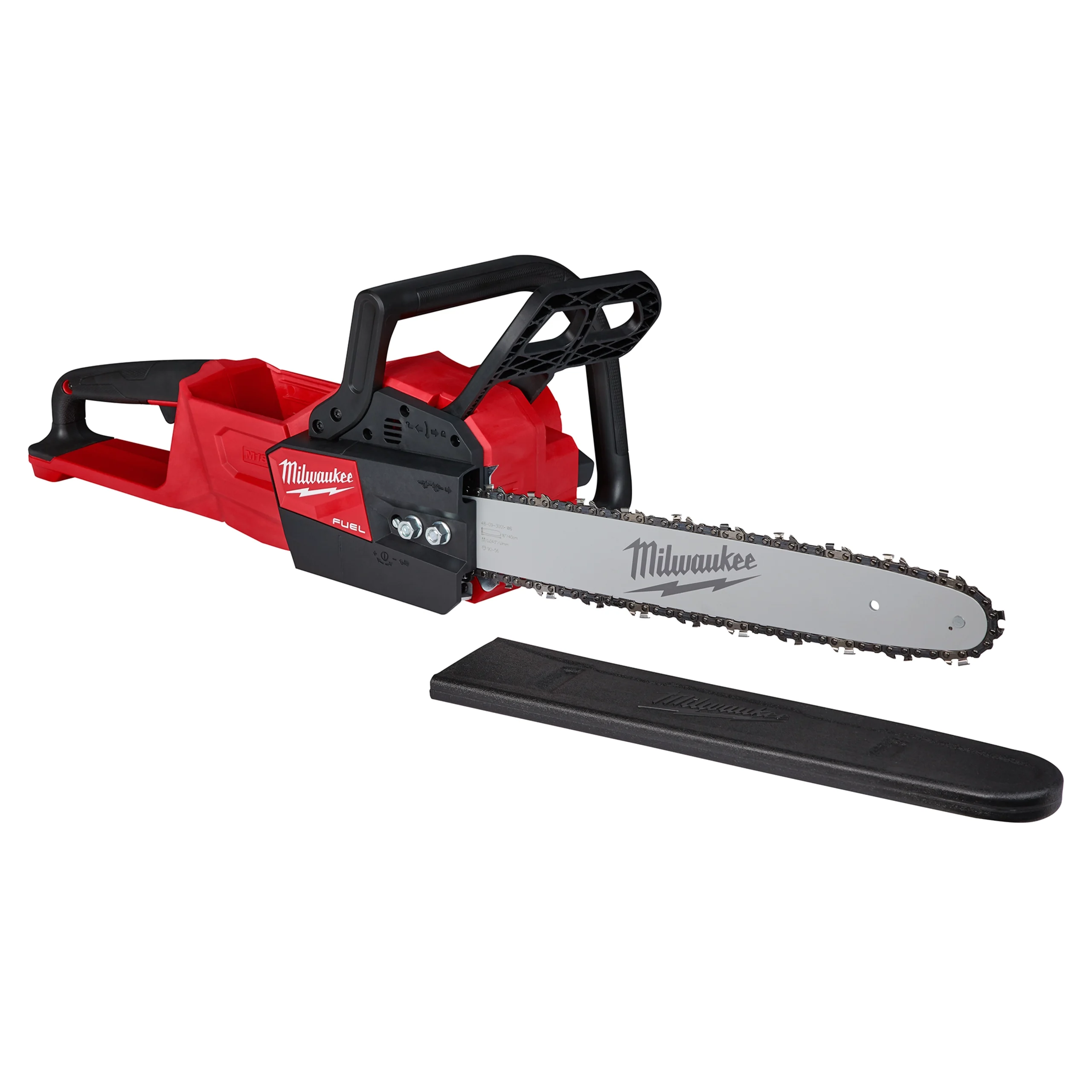
A “cordless wood splitter” is usually a battery-powered chainsaw, not a machine that pushes rounds apart like a hydraulic log splitter. That distinction matters: a saw can buck branches and small logs on a property, but it does not make splitting large rounds easy or safe. For occasional firewood and storm cleanup, a compact saw is useful. For regular processing of hardwood rounds, a manual or powered log splitter is usually the better tool.
As an Amazon Associate we earn from qualifying purchases at no extra cost to you.


Choose the right tool for the job
Use a cordless chainsaw to cut fallen limbs, prune manageable branches, or buck logs into short sections before splitting them with a maul or wedge. Many compact battery saws have bars around 10 to 14 inches; larger cordless saws commonly use bars around 16 to 20 inches. A longer bar can reach through bigger wood, but it also adds weight and demands more from the battery and chain.
Check the saw’s rated cutting capacity and the wood you actually handle. A bar’s full length is not a promise that it will comfortably cut a log of the same diameter in one pass. Large, dirty, or buried wood can pinch the bar or dull the chain quickly. If your routine involves rounds over roughly 12 inches across, large hardwood, or several cords a year, compare a cordless electric log splitter only if a suitable model is available for your needs; in practice, corded, gas, or hydraulic splitters are more common choices.
Compare the practical options
| Tool | Best use | Main trade-off |
|---|---|---|
| Compact cordless chainsaw | Branches, pruning, small logs | Limited reach and runtime; not a log splitter |
| Mid-size cordless chainsaw | Routine bucking and storm cleanup | Heavier and more demanding on batteries |
| Manual maul and wedges | Splitting modest amounts of straight-grained rounds | Needs effort; knots and stringy wood can stall progress |
| Hydraulic log splitter | Frequent firewood processing and larger rounds | Higher cost, storage needs, and usually no cordless convenience |
For a small property, a 14-inch cordless chainsaw is a sensible middle ground if you already own compatible batteries. Choose a compact pruning saw only for light branches; its short bar and small battery can become frustrating when bucking logs. If you split only a few rounds, a maul and a couple of wedges are often cheaper and simpler than buying a powered splitter.
Match the saw to your battery platform
Battery compatibility can make the purchase worthwhile—or make a bargain bare tool a poor deal. If you already own a platform’s batteries and charger, check that the saw accepts them and whether the manufacturer recommends a particular capacity. A higher-capacity pack generally runs longer, but it also increases weight. For a saw used at arm’s length, that extra weight is noticeable.
Runtime varies with wood species, log diameter, chain sharpness, and how often you stop. Treat claims such as “cuts per charge” as comparisons made under controlled conditions, not a reliable estimate for your property. One small battery may be enough for pruning; repeated cuts through dense hardwood can drain it quickly. If you have a full afternoon of cleanup, having two charged packs is more useful than assuming one large pack will last all day.
Do not buy a saw just because its battery fits another brand’s tool through an unofficial adapter. Adapters can interfere with protection or fit, and may void warranties. Stick to the manufacturer’s stated battery system, and compare the cost of a bare tool with a kit that includes a battery and charger. A kit makes more sense if you have no batteries on that platform; a bare tool is usually the better value when you already do.
Features worth checking before buying
Look for tool-free or straightforward chain tensioning, an accessible oil reservoir, a visible oil level, and a chain brake. Automatic chain lubrication is useful, but it does not remove the need to check oil before cutting. A dry chain heats up, wears quickly, and can damage the bar. Also check replacement-chain availability and the exact chain pitch, gauge, and drive-link count; the right dimensions must match the bar and saw.
Weight matters as much as advertised power for short jobs. Compare tool weight with the battery installed, not the bare-tool figure. A compact saw is easier to carry and control for pruning, while a heavier saw may be more comfortable for repeated bucking from a stable stance. If you expect to cut larger wood often, consider a 16-inch cordless chainsaw kit, but confirm that its battery is large enough for sustained cutting and affordable to replace.
Cut safely and keep it cutting
Wear eye and hearing protection, gloves, sturdy boots, and chainsaw chaps when using a chainsaw. Read the manual, keep both hands on the saw, and avoid cutting above shoulder height. Support the log so the kerf cannot close on the bar. A trapped bar, a kickback, or a cut made from an unstable position can turn a small cleanup job into an injury.
After each session, remove sawdust from the sprocket area, check chain tension and oil, and inspect the chain for damage. A dull chain makes slow, powdery cuts and encourages the operator to push harder; stop and sharpen or replace it rather than forcing the saw. Store batteries dry and within the maker’s temperature guidance. In cold weather, a battery may deliver less runtime, so keep a spare warm until needed.
For most occasional property work, the best buy is not the biggest saw. It is a manageable cordless chainsaw on a battery platform you already own, paired with a hand maul for small amounts of splitting. If the wood pile grows into regular, heavy firewood work, put the money toward a proper log splitter instead of asking a chainsaw to do a job it was not designed for.
Related guides
- Longest Lasting Lawn Mower Battery: AGM vs Lithium vs Flooded Lifespan and Cost per Season
- Duralast Gold Lawn Mower Battery Review: U1 Fit, CCA and When to Pay for AGM
- Greenworks Pro 80V 21-Inch Mower Review: Runtime Math, Push vs Self-Propelled and Yard Fit
- Bosch High Pressure Washer Gun Replacement: Fittings, Adapters and What Fits Your Model