What's inside
As an Amazon Associate I earn from qualifying purchases. This post may contain affiliate links at no extra cost to you.
What makes a good conduit saw?
For electrical conduit, the best cordless saw is usually a portable band saw, not a general-purpose circular saw. A band saw makes a relatively cool cut, throws fewer sparks, and is easier to control around installed cable, ladders, and finished surfaces. It also leaves a narrower kerf, which matters when you are making dozens of cuts.
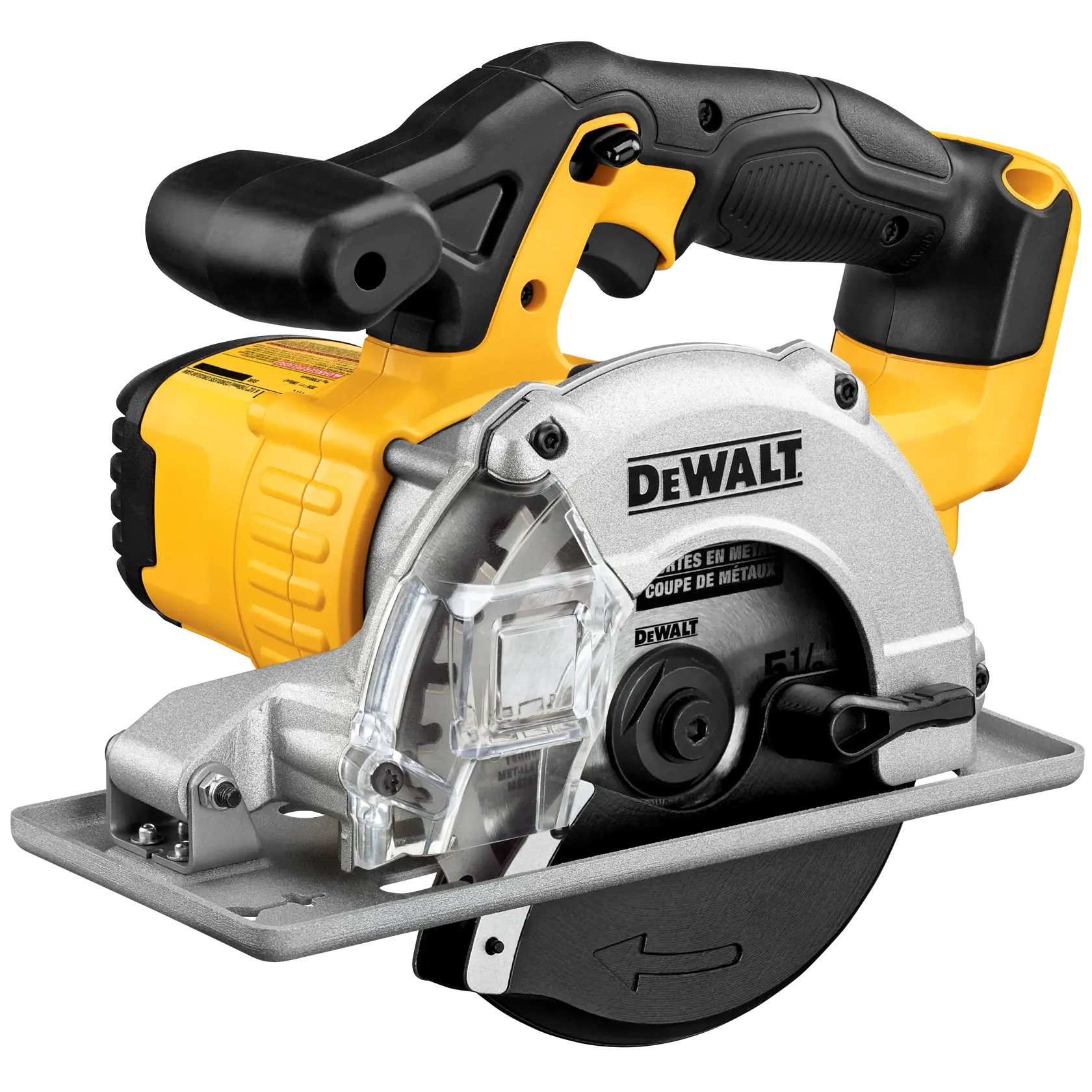
For occasional work, a compact cordless reciprocating saw can also cut conduit, but it is slower and more likely to leave a rough, angled end. A metal-cutting circular saw is fast on a bench or in a shop, though its sparks and abrasive debris make it less pleasant on a jobsite.
As an Amazon Associate we earn from qualifying purchases at no extra cost to you.


Before buying, identify the material you cut most often. EMT is thin and cuts easily. Rigid metal conduit and IMC are substantially thicker and put more load on the blade. Stainless conduit is harder still and demands a suitable bi-metal blade and slower feed pressure.
The three useful cordless options
| Saw type | Best use | Main advantage | Main drawback |
|---|---|---|---|
| Portable band saw | Repeated conduit cuts, overhead work, EMT and rigid | Clean, cool cuts with little sparking | Slower than a circular saw on large batches |
| Metal-cutting circular saw | Bench cutting and large quantities of straight stock | Fast, square cuts and good productivity | Sparks, chips, noise, and a larger kickback risk |
| Reciprocating saw | Occasional cuts, demolition, and awkward installed conduit | Most versatile and usually the cheapest route | Vibration, rougher cuts, and slower work |
For most electricians buying one dedicated tool, a cordless portable band saw is the sensible choice. Choose a compact model if you mostly cut 1/2-inch through 1-inch EMT. Choose a full-size deep-cut version if you regularly cut 2-inch conduit, threaded rod, strut, or small pipe.
What to look for in a cordless band saw
Capacity: Check the listed cutting capacity, not just the tool’s overall size. A compact saw may handle around 2-1/2 inches, while a deep-cut saw can handle roughly 5 inches. More capacity adds weight, but it also gives you room to cut bundled conduit and strut.
Variable speed: A useful range is roughly 100 to 500 feet per minute. Slower speeds help with stainless and thick-wall conduit; faster settings work well on thin EMT. A fixed-speed saw can work, but it gives you less control when the material changes.
Blade size and availability: Common portable band saw blades are around 32-7/8 inches or 44-7/8 inches long, depending on saw size. Confirm that replacement blades are easy to find in your area. A saw is not useful when the only compatible blade requires a special order.
Trigger and balance: A variable-speed trigger is more useful than a high no-load speed. The saw should sit reasonably balanced with the battery installed, and the auxiliary handle should let you keep two hands on the tool. Overhead cuts become tiring quickly with an unbalanced deep-cut saw.
Blade tracking and guides: Good blade guides reduce wandering and premature blade failure. If the blade repeatedly walks off the wheels, check tension, tracking, and whether the blade is installed backward before blaming the tool.
Battery platform matters more than small speed differences
Stay within the battery system you already own unless this will be your main conduit saw. The major 18V and 20V cordless platforms have enough power for EMT, but larger batteries make a noticeable difference in runtime and balance. A 5.0Ah pack is a practical starting point; compact 2.0Ah packs keep the saw light but may run out quickly during production work.
High-output packs can improve sustained performance on thick rigid conduit, but they also add weight. For ladder work, a smaller battery may be safer and less tiring. For shop or ground-level fabrication, the larger pack is usually worth carrying.
Do not buy a bare tool without checking charger cost. If you are starting from zero, a kit with two batteries and a charger can be cheaper than adding those items later. If you already have several packs, a bare tool is normally the better value.
Compare current platform options with tool-only cordless metal-cutting band saws before paying for another battery system.
When a different saw is the better buy
A cordless metal-cutting circular saw is worthwhile when you cut long lengths of conduit on a workbench. It can make fast, square cuts, particularly with a purpose-made ferrous-metal blade. However, expect hot chips and sparks. Keep it away from energized equipment, flammable materials, finished flooring, and areas where metal debris can damage electronics.
A reciprocating saw is the economical option for a homeowner or occasional installer. Fit a 14-tooth-per-inch or 18-tooth-per-inch bi-metal blade for thinner conduit, and support the work close to the cut. A long blade flapping beyond the conduit increases vibration and produces a crooked cut. Use short strokes and moderate pressure rather than forcing the saw.
If you already own a compatible reciprocating saw, buying quality blades is often enough for a small job. The cheaper option is fine when you are cutting ten or fewer pieces and do not need production speed. It becomes frustrating on a full electrical fit-out.
How to make clean, safe conduit cuts
Measure and mark the conduit, then clamp or firmly support it. Never hold loose conduit in one hand while cutting with the other. A band saw should be allowed to do the work; excessive downward pressure can stall the motor, strip blade teeth, or pull the cut out of square.
Use a coarse blade for thicker material and a finer-tooth blade for thin EMT. As a general rule, keep at least three teeth engaged in the material. Teeth that are too fine can clog, while teeth that are too coarse can catch the thin wall and break off.
After cutting, remove the burr from both the inside and outside edge. A rotary deburring tool is fastest, but a conduit reamer or round file works. Burrs can damage wire insulation and make fittings difficult to install. Test the coupling or connector before pulling conductors.
Wear eye protection even with a band saw. Gloves should fit closely and stay clear of the blade; loose gloves and sleeves can catch. Remove the battery before changing a blade, clearing a jam, or adjusting tracking. For circular saws, add hearing protection and keep bystanders away from the spark path.
The practical buying decision
Buy a compact band saw if your work is mainly EMT and you value light weight. Buy a deep-cut band saw if you regularly handle rigid conduit, strut, or bundled material. Choose a circular saw for high-volume bench cutting, and use a reciprocating saw when low cost and versatility matter more than finish quality.
The best purchase is usually the saw that shares batteries with your drill and impact driver. Spend the remaining budget on spare bi-metal blades, a deburring tool, and a second battery. Those accessories affect completed work more than a small difference in motor speed.
FAQ
What makes a good conduit saw?
Related guides
- Longest Lasting Lawn Mower Battery: AGM vs Lithium vs Flooded Lifespan and Cost per Season
- Duralast Gold Lawn Mower Battery Review: U1 Fit, CCA and When to Pay for AGM
- Greenworks Pro 80V 21-Inch Mower Review: Runtime Math, Push vs Self-Propelled and Yard Fit
- Bosch High Pressure Washer Gun Replacement: Fittings, Adapters and What Fits Your Model