What's inside
As an Amazon Associate I earn from qualifying purchases. This post may contain affiliate links at no extra cost to you.
A cordless drill can mix a small amount of thinset or joint compound, but it is a compromise—not a substitute for a purpose-built mud mixer. For a few pounds of material, the right drill saves setup time. The wrong one can overheat, stall, whip air into the mix, or leave you with a lumpy bucket and a damaged gearbox.
For occasional small batches, prioritize low-speed control, a side handle, and a battery platform you already own. A compact drill is fine for a handful of patching compound. For repeated batches of thinset, step up to a high-torque drill with a mechanical low gear and a substantial battery.
As an Amazon Associate we earn from qualifying purchases at no extra cost to you.


What matters in a mixing drill
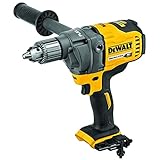
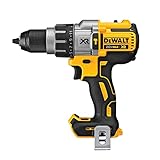
Mixing loads a drill continuously, unlike driving screws in short bursts. Look for a low gear around 0–500 rpm and a side handle that lets you brace the tool. A clutch is useful for fastening, but set it to drill mode—not a numbered clutch setting—when mixing. Use the lowest speed that circulates the material without letting the paddle stall.
Motor type matters less than the complete tool: gearing, thermal protection, handle design, and battery capacity all affect how comfortably it handles a sustained load. Brushless drills generally offer better efficiency and runtime, but they are not automatically immune to overheating. A 2.0Ah battery may work for one small batch; a 4.0Ah or larger pack usually gives more breathing room. Bigger batteries add weight, so balance the tool before committing to long mixing sessions.
Choose a drill from a platform you already use if possible. Buying a new charger and battery just for occasional mixing can cost more than the job warrants. If you need a drill and battery together, compare the kit price with the bare tool price before choosing.
Best drill types for the job
| Drill type | Best use | Trade-off |
|---|---|---|
| Compact 12V drill | Small batches of lightweight joint compound or patching mix | Low weight, but limited torque and runtime; easy to stall in stiff thinset |
| 18V/20V brushless drill with side handle | Occasional thinset batches and general job-site use | Versatile, but still needs pauses and careful speed control |
| Dedicated cordless mud mixer | Repeated batches or heavier materials | Better suited to sustained mixing, but costs more and is less useful for general drilling |
A 12V cordless drill kit is the economical choice if your batches are small and infrequent. It is usually comfortable for premixed joint compound that only needs a quick stir, or a small quantity of powder mixed at a time. Do not expect it to power through a full bucket of stiff thinset. If it slows sharply, stop rather than holding the trigger and forcing the motor to recover.
For tile work or repeated mixing, a brushless 18V cordless drill with a side handle is the better all-round option. It has more reserve and is less tiring to control under load. Check that the manufacturer allows the tool to be used for mixing and that a side handle is included or available. High torque can twist your wrist if the paddle catches, so keep both hands on the tool and stand with a stable footing.
If you are mixing several buckets in a day, consider a dedicated cordless mud mixer. Its gearing and handle arrangement are intended for sustained mixing. The extra cost is hard to justify for one bathroom repair, but makes sense when mixing is routine. Check its speed range and compatible paddle size; a tool marketed as a mixer is not automatically appropriate for every material.
Paddle, batch size, and technique
Match the paddle to the material and the tool’s limits. A small, narrow mixing paddle creates less resistance than a large one, but it may not circulate a thick mix effectively. Follow the compound manufacturer’s paddle and mixing directions; some products specify a particular paddle shape or prohibit high-speed mixing. Do not use an oversized paddle simply because it fits the chuck.
Mix less than the tool’s apparent capacity suggests. A practical starting point for a handheld drill is a few pounds of dry material in a bucket, not a full tile-setting bucket. Add powder gradually to the measured water, keep the paddle submerged, and use brief, controlled runs. This reduces dust and splashing and helps avoid drawing air into the mix. Observe any rest or slake time in the product instructions, then remix as directed.
Thinset that feels unusually stiff may be mixed with too little water, but do not add water beyond the manufacturer’s ratio to make the drill’s job easier. That can weaken the finished installation. Likewise, do not retemper thinset after it has begun to set. Joint compounds vary: premixed compound often needs only a gentle stir, while setting-type powder has a limited working time. Prepare only what you can apply before that time runs out.
Avoid overheating and loss of control
Keep the drill in its low-speed range and avoid long, continuous trigger runs. If the housing becomes hot, the motor smells burnt, the battery shuts down, or speed keeps dropping, stop and let the tool cool. Repeated thermal cutouts are a sign to reduce the batch size or use a more suitable mixer. Do not keep swapping in a fresh battery while the motor is hot.
Clamp or brace the bucket where practical, but do not hold it between your feet. Start with the paddle near the bottom and away from the bucket wall, then raise it slowly while mixing. A paddle that catches the rim can jerk the drill out of your hands. Clean the paddle promptly, remove the battery before changing accessories, and keep water away from the drill’s vents and electrical contacts.
Make the buying decision
For occasional repairs, the cheapest sensible choice is often the cordless drill already in your kit, provided it has a low-speed setting and can accept a suitable paddle. A small 12V drill is adequate for light compound and very small batches, but thinset is the point where a more capable drill—or a dedicated mixer—starts to pay off. Buy within an existing battery ecosystem when that avoids another charger and set of packs. For frequent mixing, prioritize sustained-load design and control over headline torque numbers.
Related guides
- Longest Lasting Lawn Mower Battery: AGM vs Lithium vs Flooded Lifespan and Cost per Season
- Duralast Gold Lawn Mower Battery Review: U1 Fit, CCA and When to Pay for AGM
- Greenworks Pro 80V 21-Inch Mower Review: Runtime Math, Push vs Self-Propelled and Yard Fit
- Bosch High Pressure Washer Gun Replacement: Fittings, Adapters and What Fits Your Model