What's inside
As an Amazon Associate I earn from qualifying purchases. This post may contain affiliate links at no extra cost to you.
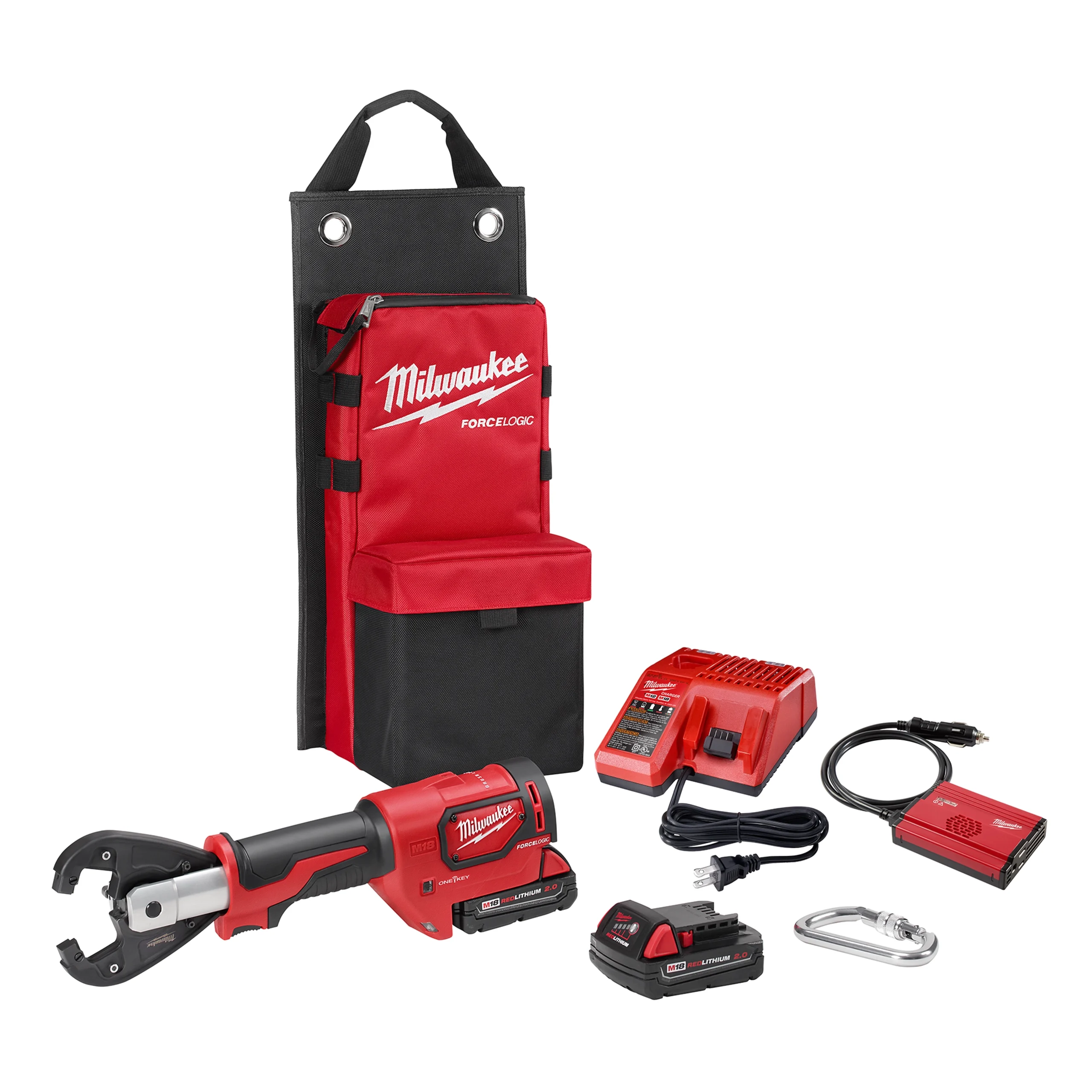
A cordless crimper is worth buying when you make enough repeat crimps that hand-tool fatigue, inconsistent pressure or slow production becomes a real problem. It is not automatically the best choice for every terminal: the tool must match the connector, wire size and required die profile. A powerful tool with the wrong die can make a poor connection just as efficiently as a good one.
Match the tool to the connection
Start with the connector manufacturer’s instructions. They specify the conductor range, compatible die or crimp profile, and often the required inspection criteria. “Crimper” covers several different jobs: insulated terminals, non-insulated terminals, ferrules, closed-barrel lugs and heavy battery connectors are not interchangeable applications.
Most cordless units use interchangeable dies and a hydraulic or electro-hydraulic mechanism. Check the tool’s listed capacity and approved connector range, not just a headline force rating. A lug tool advertised for large cable may not accept small control-wire terminals, while a compact terminal crimper may be unsuitable for battery cable. If you work across different connector families, confirm that the correct dies are available and that the tool accepts them.
Cordless versus hand tools
A quality ratcheting hand crimper is usually the sensible buy for occasional repairs and small batches. It costs less, needs no battery or charger, and gives you direct feel at the work. The trade-off is speed and fatigue: repeated crimps can strain your hand, and awkward access can make it hard to keep the connector square in the die.
Cordless tools earn their cost on repetitive work, larger conductors, or jobs where a complete crimp cycle and consistent pressure matter. They are heavier and bulkier, need charging, and may be inconvenient in a tight panel or overhead location. A powered tool also does not remove the need to position the connector correctly or verify the result.
Compare the main options
| Tool type | Best fit | Main trade-off |
|---|---|---|
| Manual ratcheting crimper | Occasional terminal work and modest batches | Lowest cost, but slower and more tiring |
| Cordless terminal crimper | Frequent insulated or non-insulated terminal work | Fast and repeatable, but dies and connector compatibility matter |
| Cordless lug crimper | Repeated larger lugs on power or battery cable | More capacity, but heavier and often overkill for small terminals |
| Interchangeable-die crimper | Several approved connector types or sizes | Flexible, but each die must be correct for the connector |
What to check before buying
First, write down the terminals and wire sizes you actually use. Look for the exact connector series in the tool or die compatibility information. A broad capacity range is useful only if it includes your terminals and the required crimp geometry. For insulated terminals, for example, the die must support the terminal style; a generic lug die is not a substitute.
Check whether dies are included, sold separately or limited to a specific system. Replacement dies can change the real cost of ownership. Also consider tool head size, opening clearance and weight. If you work inside cabinets, a compact head may matter more than maximum force. For production work, cycle speed, service support and availability of replacement batteries may matter more.
If you already own cordless tools, staying within that battery platform can reduce the number of chargers and spare packs you carry. But do not choose a crimper solely to match a battery you own: a compatible platform is useful only if the crimper itself fits the connector work. For frequent terminal work, compare cordless terminal crimpers by approved connector range and included dies, rather than by battery voltage alone.
Battery and ownership cost
Crimping is usually an intermittent load, so a larger battery may not dramatically improve the number of crimps per charge. It can add weight, however, which is noticeable during overhead or one-handed work. If you already have compatible batteries, check the bare-tool price and make sure the platform’s pack fits without obstructing the tool in confined spaces. If you are starting from scratch, include a battery and charger in the comparison.
For occasional use, the purchase price of a powered tool, spare dies and batteries can outweigh the labor saved. A hand crimper may be the better value even if it takes longer. For recurring field or shop work, reduced fatigue and repeatable full cycles can justify the extra cost, especially when an incomplete crimp would require troubleshooting or rework.
Avoid common crimp failures
Use wire within the terminal’s stated range, strip it to the specified length, and keep insulation out of the conductor barrel. A nicked conductor, strands folded back, or a barrel that is only partly filled can weaken the joint. Place the terminal in the specified die orientation and let the tool complete its full cycle. Do not “make up” a loose crimp with a second squeeze unless the manufacturer explicitly permits it.
Inspect finished work using the connector maker’s criteria. Check that the conductor is seated, the insulation support has not cut into the wire, and the barrel is not split or badly deformed. A pull test can catch an obviously weak connection, but it is not a substitute for the specified process or a calibrated test where the job requires one. Never use a crimper on energized conductors; isolate the circuit and follow applicable electrical safety procedures.
Which one to buy
For occasional automotive, appliance or workshop repairs, start with a quality ratcheting crimper matched to the terminals you use. For daily work on small electrical terminals, consider a cordless terminal crimper with the correct die set. For repeated battery cable or larger lug work, shop specifically for a cordless lug crimper rated for your connector range; cordless lug crimpers are a different purchase from compact terminal tools.
If your work spans multiple connector types, verify die availability before choosing a platform. An interchangeable-die cordless crimper can cover more jobs, but only when its dies are approved for those connectors. Buy for the connections you make, not the largest cable size printed on the case.
Related guides
- Longest Lasting Lawn Mower Battery: AGM vs Lithium vs Flooded Lifespan and Cost per Season
- Duralast Gold Lawn Mower Battery Review: U1 Fit, CCA and When to Pay for AGM
- Greenworks Pro 80V 21-Inch Mower Review: Runtime Math, Push vs Self-Propelled and Yard Fit
- Bosch High Pressure Washer Gun Replacement: Fittings, Adapters and What Fits Your Model