What's inside
As an Amazon Associate I earn from qualifying purchases. This post may contain affiliate links at no extra cost to you.
Why two batteries matter during renovation
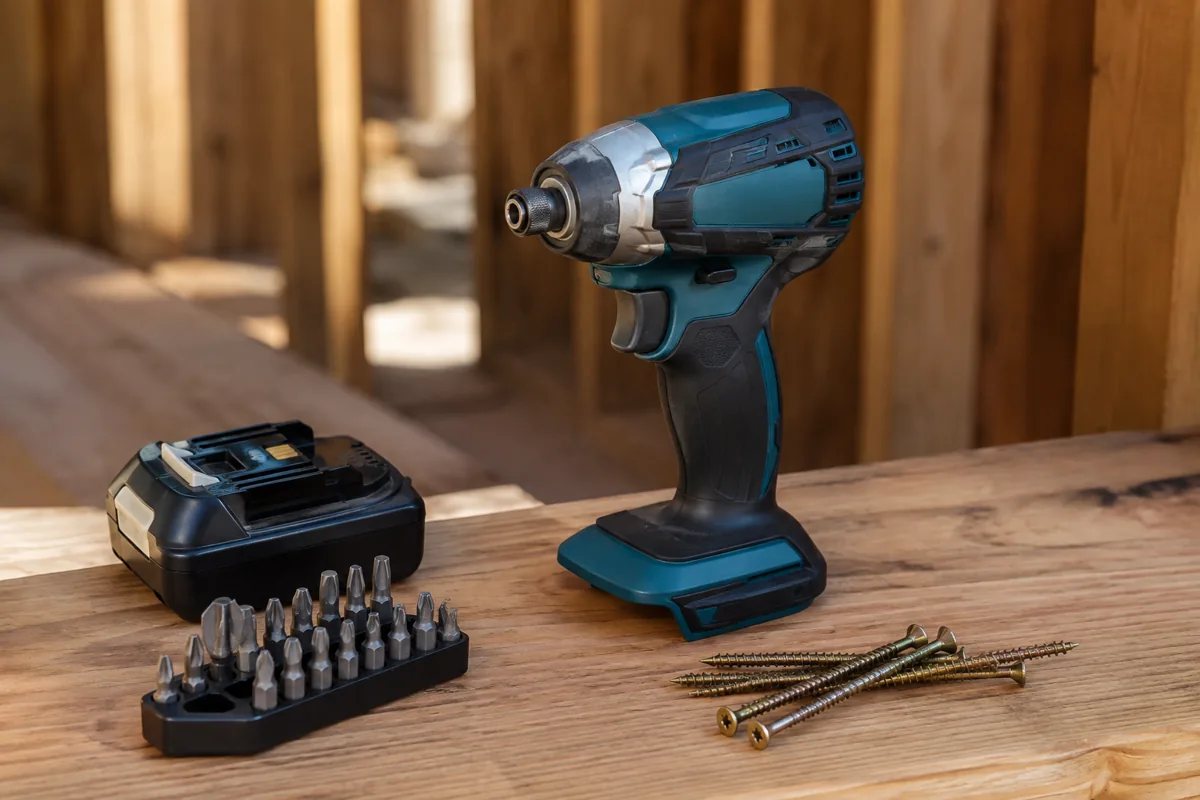
A drill-and-impact-driver kit is a practical starting point for home renovation: the drill handles holes and screws that need control, while the impact driver is faster on long screws and repeated fastening. Two batteries let you keep working while one charges. They do not guarantee uninterrupted work, though. Small batteries can run flat quickly when drilling large holes, and a slow charger may not refill one before the other is empty.
For ordinary DIY, look for a 18- or 20-volt platform with two batteries in the 2.0–5.0 amp-hour range. Voltage labels differ between brands; 18V and 20V Max tools are generally in the same class, not two radically different power levels. A 2.0Ah battery is lighter and often sufficient for assembling cabinets or hanging shelves. A 4.0Ah or 5.0Ah pack gives more runtime for deck repairs, framing, or repeated hole-saw work, but adds weight to the drill.
As an Amazon Associate we earn from qualifying purchases at no extra cost to you.


What to compare before buying
| Feature | What to look for | Why it matters |
|---|---|---|
| Battery capacity | Two packs, ideally at least 2.0Ah each | More capacity means longer runtime, but larger packs are heavier and cost more to replace. |
| Charger | Check the stated charge time for the included pack | A second battery is less useful if recharging takes longer than the first pack lasts. |
| Drill clutch and speed | Adjustable clutch and two mechanical speed ranges | Low speed gives better control for large bits; the clutch helps avoid burying screws or damaging trim. |
| Impact-driver control | Variable-speed trigger; extra modes are a bonus | Gentler control helps prevent snapped screws and stripped heads in soft material. |
| Platform range | Tools you expect to buy later | Shared batteries can make a kit a better long-term purchase than a slightly cheaper isolated set. |
Choose the kit for the work
For mixed renovation—furniture, shelving, drywall backing, and occasional outdoor repairs—a compact brushless combo is a good balance. Brushless motors tend to use battery energy efficiently and have fewer motor parts that wear, but the price premium is not essential for light, occasional work. A brushed kit can be perfectly adequate for a few shelves and weekend repairs.
Compare cordless drill and impact-driver kits with two batteries by the included battery sizes and charger, not just the headline price. Some inexpensive kits include two small packs and a basic charger; that may be fine for short jobs, but less convenient for a full day of cabinet installation.
If you work overhead or in tight cabinets, prioritize compact tool bodies and a lighter 2.0Ah battery. A bulky 5.0Ah pack can make a drill tiring when held above shoulder height. For repeated drilling in framing or large-diameter holes, the larger battery is more useful, but use sharp bits and let the tool cut. Forcing a dull bit can overheat the tool, drain a pack quickly, and bind the bit hard enough to twist your wrist.
Think beyond the first kit
Battery compatibility is one of the most important buying decisions. Batteries usually work only within their own brand’s platform and voltage family; a 20V battery from one manufacturer is not interchangeable with another brand’s 18V tool. Before buying, check whether the brand sells the cordless tools you may want next, such as a circular saw, oscillating multi-tool, work light, or compact vacuum. One battery platform can reduce the cost and clutter of later purchases.
For occasional DIY, the cheaper kit can be the sensible choice if it has a usable clutch, a variable-speed trigger, two batteries, and a local replacement-battery option. Spending more for advanced modes or higher output is hard to justify if the tools will only see a few hours of use a month. If you are choosing a platform for several tools, compare the price of bare tools and replacement batteries as well as the starter kit.
Search brushless drill and impact-driver kits with two batteries when runtime and frequent use matter. Brushless is an upgrade, not a promise that a tool will never overheat or that every included battery is large. Read the kit contents carefully: batteries may differ in capacity even when both are described as included.
Use each tool for its job
Use the drill for pilot holes, general drilling, and screws in materials that need a controlled finish. Set its clutch low, drive a test screw into scrap of the same material, and increase the setting only as needed. This reduces stripped heads and screws driven below the surface. The impact driver is useful for long structural screws and repetitive fastening, but its hammering action makes delicate work easier to damage. Start slowly, keep the bit seated, and stop before the screw head is buried.
For holes larger than about 1/2 inch in wood, or when using a hole saw, slow down and check the drill’s instructions for suitable bit sizes. A large bit can catch suddenly. Keep both hands on the drill when the handle allows it, clamp the work, and release the trigger if the bit binds. Let bits cool between demanding cuts; persistent heat, a burning smell, or a battery that becomes unusually hot are reasons to stop and inspect the setup.
A quick buying checklist
Before checkout, confirm that the box contains two batteries, note each pack’s amp-hour rating, and check whether the charger is included. Verify that the drill has a clutch and two speeds, and that the driver has a trigger you can feather. Consider tool weight with the battery installed, not just the bare-tool weight. Finally, check the platform’s replacement-battery availability and the cost of one additional tool you may realistically buy.
For a modest renovation and occasional repairs, a basic two-battery kit is enough. For frequent work or a growing cordless collection, a brushless kit with a useful charger and larger-capacity packs is usually the better investment. The right choice is the one whose batteries, weight, and tool controls fit your actual jobs—not the kit with the most dramatic power claim.
Related guides
- Longest Lasting Lawn Mower Battery: AGM vs Lithium vs Flooded Lifespan and Cost per Season
- Duralast Gold Lawn Mower Battery Review: U1 Fit, CCA and When to Pay for AGM
- Greenworks Pro 80V 21-Inch Mower Review: Runtime Math, Push vs Self-Propelled and Yard Fit
- Bosch High Pressure Washer Gun Replacement: Fittings, Adapters and What Fits Your Model