What's inside
As an Amazon Associate I earn from qualifying purchases. This post may contain affiliate links at no extra cost to you.
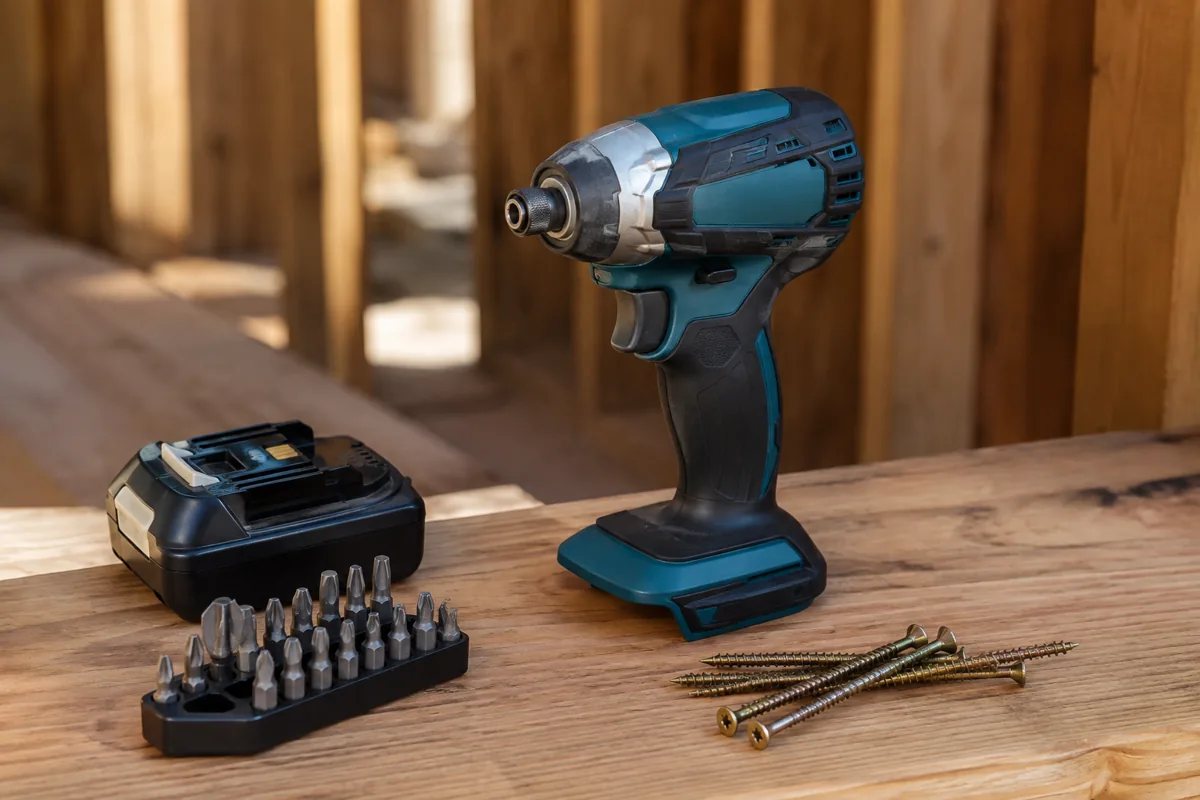
A cordless hammer drill and impact driver combo is a practical renovation kit: the drill handles holes and controlled fastening, while the impact driver takes on long screws and other repetitive work. The right choice depends less on a headline torque figure than on the materials you expect to drill, the battery platform you can keep using, and whether the kit includes batteries and a charger you actually need.
As an Amazon Associate we earn from qualifying purchases at no extra cost to you.


What each tool is for
A hammer drill combines rotation with a rapid forward tapping action. Use that mode for holes in brick or concrete block with a masonry bit. Turn hammer mode off for wood, metal, and ordinary screws; the extra impact can damage bits or workpieces. A hammer drill is not a substitute for a rotary hammer when you need many large holes in poured concrete.
An impact driver applies rotational blows to turn fasteners. It is useful for driving long construction screws, deck screws, and lag screws, but it offers less control than a drill at low torque. For small screws, delicate trim, or pilot holes, use the drill or set the driver to a low-speed mode if it has one. Either tool can still split wood or strip a screw if you lean on it without a pilot hole or the correct bit.
How the main kit types compare
| Kit type | Good fit | Trade-off |
|---|---|---|
| Compact 18V/20V-class brushless combo | Cabinet work, framing repairs, general remodeling | Usually lighter, but may have less sustained power for large holes |
| Full-size brushless combo with two batteries | Mixed renovation work and longer days | Higher cost and more weight; a large battery can make overhead drilling tiring |
| Lower-cost brushed combo | Occasional repairs and moderate fastening | Often heavier or less efficient, with fewer control features |
| Compact combo plus separate rotary hammer | Frequent masonry drilling or concrete anchors | Costs more and adds another tool, but is better suited to repeated concrete work |
For a broad selection, compare a brushless hammer drill and impact driver combo against kits from platforms you already own. Brushless motors can run more efficiently and often offer better electronic control, but they do not automatically make a tool the best buy. A brushed kit can be perfectly adequate for a few rooms of renovation each year.
Choose the battery platform before the kit
Battery compatibility is a long-term buying decision. A kit’s batteries usually fit other cordless tools in the same brand platform, while chargers and packs are not generally interchangeable across brands. Check the exact platform and battery family: brands may sell several voltage lines or compact sub-platforms that do not share packs.
If you already own compatible batteries, a tool-only purchase can save money. If you are starting fresh, compare the included pack capacity, charger, and warranty, not just the number of tools. A 2.0Ah pack is lighter and useful for overhead work; a 4.0Ah or larger pack can run longer but adds weight. Two batteries let one charge while the other is in use, though they do not double the power of a single tool.
For a first kit, look for two batteries and a charger unless the price difference is substantial and you can buy another pack later. A two-battery combo kit is often more useful on a full renovation day than a kit with extra accessories you may never use.
Features worth paying for
Prioritize a comfortable grip, a secure chuck, a useful clutch, and a bright work light. A 1/2-inch chuck accepts many common drill bits and is a sensible renovation choice. A side handle helps control larger bits; use it whenever the drill manual calls for one. A belt hook and compact head can matter more in cabinets and tight corners than a small difference in advertised torque.
Two or three speed ranges help match the tool to the task: low speed for large bits or controlled driving, higher speed for smaller holes. The clutch limits screw-driving force, but it is not a guarantee against stripped fasteners. Start low and increase the setting until the screw seats cleanly. On impact drivers, a trigger with a wide speed range is useful; a sudden full-speed burst can snap a screw or damage a driver bit.
Match the tools to the renovation
For drywall repairs, cabinets, and general carpentry, a compact combo is usually enough. In softwood, ordinary screws often need no pilot hole; near board ends, in hardwood, or with larger fasteners, a pilot hole reduces splitting and makes driving easier. Keep spare driver bits: worn bits cam out, chew screw heads, and can turn a quick job into a frustrating one.
For occasional holes in brick, a hammer drill and masonry bit are reasonable. Let the tool work rather than forcing it, clear dust from the hole, and follow the anchor maker’s diameter and depth instructions. If you are drilling repeated holes in hard concrete, installing many anchors, or making holes larger than roughly 1/2 inch, a rotary hammer is usually faster and easier on the drill. Dust collection and eye protection matter; masonry dust is hazardous.
A quick buying checklist
Before ordering, confirm whether the listing includes batteries, charger, and case; check battery-platform compatibility; and compare tool weight with the battery attached. Look at warranty terms and service availability in your area. Be cautious about judging a kit by maximum torque alone: brands use different testing methods, and high torque is of little use if the tool is awkward to control.
Buy the least expensive kit that fits your actual workload and leaves room to add compatible tools. For occasional home renovation, a basic combo from a platform with readily available batteries is a sensible choice. For daily use, repeated large holes, or work that demands control overhead, spend more on a comfortable brushless kit—or put the extra money toward a rotary hammer instead of a more powerful drill.
Related guides
- Longest Lasting Lawn Mower Battery: AGM vs Lithium vs Flooded Lifespan and Cost per Season
- Duralast Gold Lawn Mower Battery Review: U1 Fit, CCA and When to Pay for AGM
- Greenworks Pro 80V 21-Inch Mower Review: Runtime Math, Push vs Self-Propelled and Yard Fit
- Bosch High Pressure Washer Gun Replacement: Fittings, Adapters and What Fits Your Model