Our Top Picks
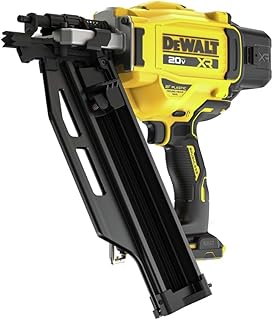
 CRAFTSMAN V20 Brushless Cordless 30° Framing Nailer15.25 x 5.4 x 13.25 Inches9.83 poundsCheck on Amazon



What's inside
As an Amazon Associate I earn from qualifying purchases. This post may contain affiliate links at no extra cost to you.
A pneumatic framing nailer is still the cheapest way to sink nails, and it is still the wrong tool for half the jobs framers actually do. Dragging 50 feet of hose across a deck, restarting a compressor on a service call, or coiling everything up after eleven nails in a header is where cordless wins. The catch is that the best cordless framing nailer for a production wall crew is a bad buy for someone building a fence, and the marketing does not tell you which is which.
This list is ordered by what to buy first, not by price. Each placement is tied to the job it unlocks. If you already own a full battery platform, that changes the ranking for you, and I say so where it matters.
As an Amazon Associate we earn from qualifying purchases at no extra cost to you.
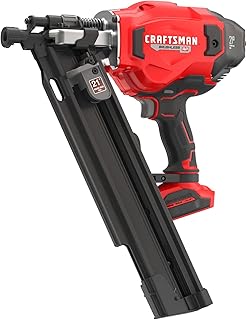
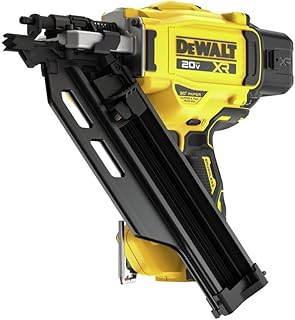
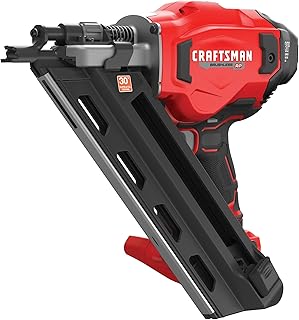
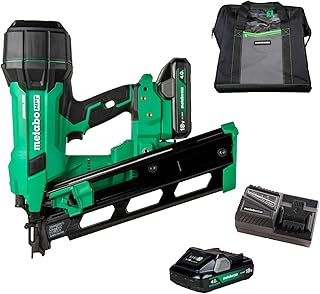

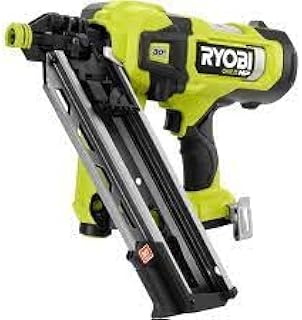
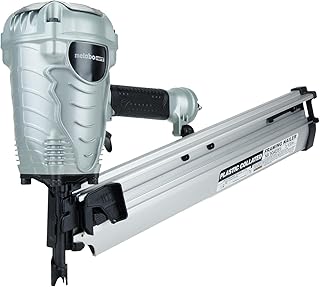
| Rank | Best for | What it unlocks | Typical street price band |
|---|---|---|---|
| 1 | Full-time framing, walls and decks | All-day 3-1/2 in. nails without a compressor | Higher end of cordless |
| 2 | Remodelers on an existing battery platform | One less charger, one less kit | Mid to high |
| 3 | Fence, deck and shed builders | Weekend framing without hose management | Mid |
| 4 | Occasional structural work | A nailer that lives in the truck | Lower to mid |
| Skip | Gas or fuel-cell cordless | Nothing a modern brushless tool cannot do | Varies |
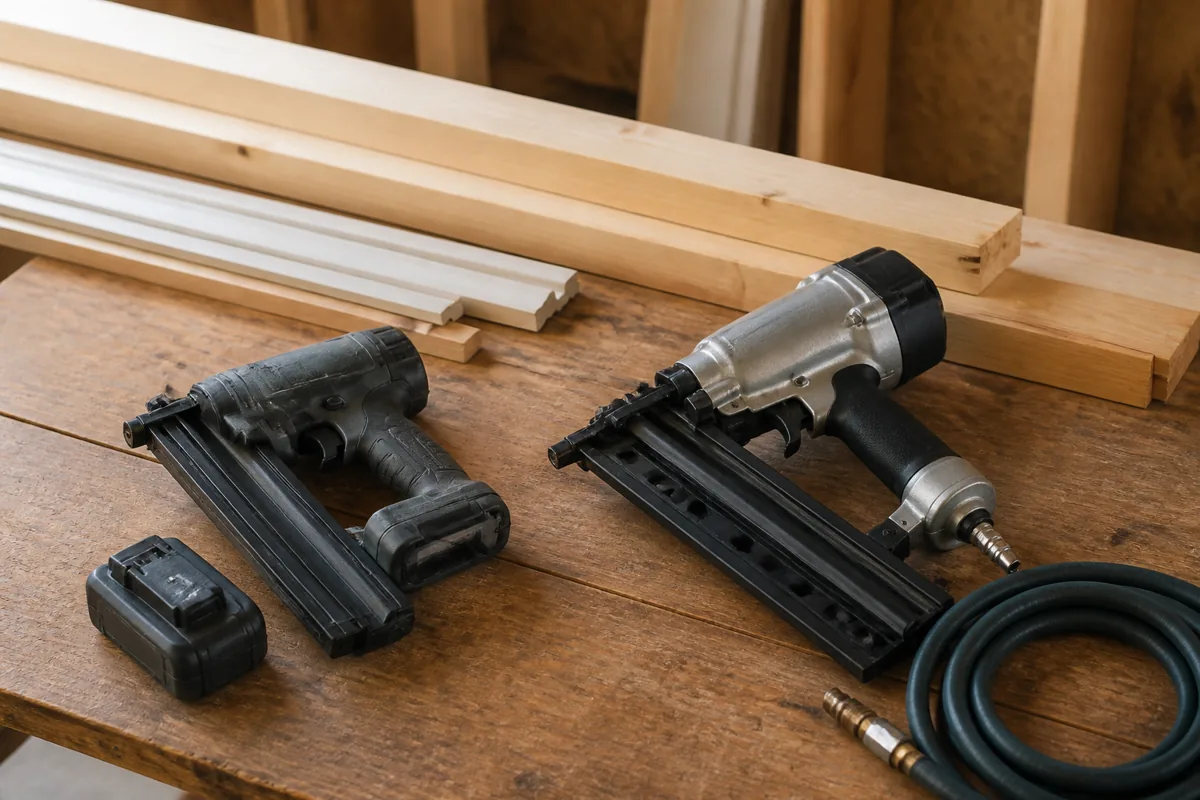
1. A full-size 30-degree paper-collated brushless framer
Buy this first if you frame for money. The job it unlocks is simple: stud walls, joists, rafters and ledger boards with full 3-1/2 inch nails, in sequential or bump mode, with no compressor in the truck. That is the whole reason cordless framing exists.
Look for the flagship battery-only models in the DeWalt 20V MAX XR, Milwaukee M18 FUEL and Makita LXT/XGT families. These use a brushless motor with either a flywheel or a sealed nitrogen spring, and the good ones fire fast enough that you stop thinking about the tool. Paper-collated 30 to 34 degree nails are the right choice for a working framer because the collation does not leave plastic shrapnel on the deck, the magazines hold a full clip, and every lumberyard in the country stocks the nails.
What actually separates the good from the mediocre in this class: depth adjustment you can turn with a gloved thumb, a tool-free jam release you can clear without a hex key, a swappable trigger or a real dry-fire lockout, and a rafter hook that is bolted through instead of clipped on. Weight matters more than spec sheets admit. Anything over about nine pounds with the battery gets heavy fast when you are toe-nailing overhead, so handle it in the store if you can.
Full-Size Brushless Cordless Framing Nailer
This is the class to buy if framing is your job rather than your weekend. Filter for full 3-1/2 inch capacity, paper collation, and a bare-tool option if you already own batteries. Expect real money and expect it to pay back the first time you frame a second-floor wall with no compressor on site.
2. The one that matches the batteries you already own
Second place goes to platform loyalty, and I mean that seriously. A framing nailer is a low-duty-cycle tool for most remodelers. It fires a few hundred nails a month, not a few thousand a day. If you already have four DeWalt XR packs on the shelf, buying a bare-tool framer from that same line unlocks the job for a fraction of the total cost, and you skip another charger cluttering the van.
The trade-off is honest: you may give up a little speed or a little balance compared to the class leader. For punch-list framing, blocking, sistering joists, and the occasional wall, you will not notice. What you will notice is the battery in your hand already being charged.
One caution. Some manufacturers sell two different nailers in the same battery family, one full-size and one lighter unit that tops out around 3-1/4 inches or takes a shorter magazine. Read the nail length spec before you buy, not the badge on the housing. If your local code inspector wants 3-1/2 inch nails on a shear wall, a 3-1/4 inch maximum tool is a paperweight for that job.
3. The fence, deck and shed nailer
Third place is where most homeowners should actually start, and where most of them overspend instead. If your projects are fences, decks, sheds, garden beds, and the occasional interior partition, you do not need production speed. You need a tool that starts cold after three months in the garage and drives a 3 inch nail flush into a pressure-treated stringer.
The mid-tier brushless models from the major brands do this well. So does buying a full-size flagship used, if you are patient. The job this unlocks is real: a fence line goes up in an afternoon instead of a weekend, because you are not repositioning a compressor every eight feet, and you can nail on top of a ladder without a hose trying to pull you off it.
- ✔ No compressor, no hose, no extension cord
- ✔ Works on ladders, roofs and remote sites
- ✔ Ready to fire in seconds, useful for small nail counts
- ✔ One battery platform covers your whole kit
- ✘ Heavier and more nose-heavy than a pneumatic
- ✘ Higher up-front cost per tool
- ✘ Slower on sustained bump-fire production runs
- ✘ Battery and driver service adds long-term cost
4. The budget cordless framer, with conditions
Fourth, and only with conditions. The value-tier cordless framers from second-string brands unlock exactly one thing: having a framing nailer at all, living in the truck, for the two or three times a year you need one. That is a legitimate purchase. Just go in knowing what you are trading.
Cheaper units generally fire more slowly, have less consistent depth in engineered lumber like LVL and LSL, jam more often, and use plastic-collated strips that scatter debris. Parts availability five years out is a real question. If you plan to sink more than a few thousand nails a year, the money is better spent on a flagship bare tool plus one battery.
Budget Cordless Framing Nailer
Reasonable if you frame a few times a year and want a kit with battery and charger in one box. Check the maximum nail length and collation type against the nails your local yard stocks, and read recent reviews specifically for jamming complaints in dense lumber.
What to skip
Skip gas and fuel-cell cordless nailers unless you already own one and love it. The consumables cost money forever, cold weather performance is inconsistent, and the exhaust in a closed crawlspace is genuinely unpleasant. Modern brushless battery tools do the same work without a cartridge in the parts drawer.
Skip any cordless framer that maxes out below 3 inches if structural work is on the table. That is a joist hanger and sheathing tool, not a framer.
Skip the second battery as a launch purchase if the kit already includes one high-capacity pack. Nail count per charge on current tools is high enough that most users find the spare unnecessary until the original pack ages.
Skip cordless entirely if you are building a house and already own a compressor. Two pneumatic framers and a hose reel will out-produce cordless on a sheathing day and cost less. Cordless is the second nailer on that crew, not the first.
Skip cheap off-brand nails. Bad collation and out-of-spec heads cause most of the jams people blame on the tool.
Buying checklist that actually matters
Nail length and collation first. Confirm full 3-1/2 inch capacity if you do structural framing, and confirm the collation angle and material matches what your supplier stocks. Paper collated 30 to 34 degree is the safest bet in most of the US, plastic collated 21 degree is common on the coasts and in some regional markets.
Then check the boring stuff: tool-free depth dial, tool-free jam clearing, switchable sequential and bump modes, dry-fire lockout, a metal rafter hook, and a nose that does not chew up finished surfaces. Ask whether the brand sells the tool bare. Kits are fine for a first purchase and a waste of money for anyone with a platform.
Finally, weigh it with a battery attached, not on the spec sheet. The lightest tool you will genuinely lift over your head all day beats the fastest one you set down every ten minutes.
FAQ
Is a cordless framing nailer strong enough for structural framing? Yes, provided it drives the nail length and diameter your building code and plans call for. Current brushless models from the major brands sink full 3-1/2 inch nails into dimensional lumber without trouble. The place to be careful is engineered lumber, where depth consistency varies more between tools, so test on a scrap piece and set your depth before you start.
How many nails should I expect per battery charge? Manufacturers quote figures in the high hundreds to low thousands per charge on a high-capacity pack, and real-world numbers land lower in cold weather or dense material. For most remodel and deck work, one charged pack covers a full day. Production framing is where a second battery starts to make sense.
Cordless or pneumatic if I can only buy one? If you own a compressor and frame full time, pneumatic is still cheaper and faster. If you do not own a compressor, or your work moves between sites and ladders and crawlspaces, buy cordless and never think about a hose again. For homeowners, cordless is almost always the right single purchase.
Buy in the order above, match the nails to what your yard stocks, and the tool disappears into the work, which is the whole point.
Check prices on Amazon →