
Our Top Picks

What's inside
- The Short Answer
- Table of Contents
- Types of Cordless Heat Guns
- Comparison Table: Gun Styles
- How to Choose
- Features That Matter
- Battery and Platform Considerations
- Use Cases and Who Should Choose What
- Comparison Table: Jobs and Fit
- Setup and Technique
- Safety: Burns, Fire and Fumes
- Care and Storage
- Common Mistakes
- Buying Checklist
- Frequently Asked Questions
- Conclusion
As an Amazon Associate I earn from qualifying purchases. This post may contain affiliate links at no extra cost to you.
The Short Answer
A cordless heat gun is a convenience tool, not a replacement for a mains-powered one. Choose a battery model when the job is short, the location is awkward, or there is no outlet nearby: heat-shrink tubing, softening vinyl, loosening a sticker or label, bending small plastic parts, or warming a stubborn adhesive. Choose a corded model for stripping paint over a whole door, thawing frozen areas for long stretches, or any task that needs sustained high heat. Within the cordless group, the best choice has adjustable temperature, a few useful nozzles, a decent heat shield and a battery that suits your other tools.
Table of Contents
- Types of cordless heat guns
- Comparison table: gun styles
- How to choose
- Features that matter
- Battery and platform considerations
- Use cases and who should choose what
- Comparison table: jobs and fit
- Setup and technique
- Safety: burns, fire and fumes
- Care and storage
- Common mistakes
- Buying checklist
- Frequently asked questions
- Conclusion
Types of Cordless Heat Guns
Heat guns cover a wide range. Cordless versions fall into a few broad families, and each makes a different compromise between heat, run time and size.
Compact pencil-style guns
Small and light, these look more like a hair dryer crossed with a soldering tool. They suit electronics, hobby work, small heat-shrink connections and crafts. Heat output and airflow are limited, but you can hold one in a tight space and carry it in a pocket-sized case.
Pistol-grip guns
The familiar shape, with a handle, trigger or switch and a barrel pointing forward. This is the most capable cordless layout because the battery sits under the handle and balances the barrel. Expect more airflow and a wider nozzle range than the compact type.
Variable-temperature guns
These add a dial or buttons for different heat settings, sometimes with a digital readout. Control matters because plastics, vinyl and paint soften at very different temperatures, and too much heat damages the work quickly.
Fixed-setting guns
One or two settings, usually low and high. They cost less and are simple, but you have to manage heat by distance and movement.
Comparison Table: Gun Styles
The table below describes general styles, not specific products. Always rely on a product’s own documentation for its actual limits.
| Style | Heat and airflow | Run time tendency | Best for | Main drawback |
|---|---|---|---|---|
| Compact pencil-style | Gentle, narrow | Moderate on a small pack | Electronics, crafts, small shrink tubing | Slow on anything large |
| Pistol-grip cordless | Moderate to strong | Short to moderate | Vinyl, shrink wrap, adhesives, light paint work | Drains packs quickly at high setting |
| Variable-temperature | Adjustable | Better at low settings | Mixed jobs and sensitive plastics | More controls, higher cost |
| Fixed-setting | Preset | Depends on setting | Simple, repeat tasks | Easy to overheat the work |
| Corded (for reference) | Strong, sustained | Unlimited while plugged in | Paint stripping, big jobs | Needs an outlet or generator |
How to Choose
Start with the work, not the tool. Write down the three jobs you most expect to do. If they are all small, a compact or mid-sized cordless gun will serve well. If any of them involves large surfaces or sustained heat, plan on a corded gun as well, or instead.
Next, consider where you will work. Cordless heat guns shine on ladders, in vehicles, in crawl spaces, on boats and at remote sites where an extension lead is awkward or unsafe. They are less compelling in a workshop with sockets within reach, where a cord costs you nothing.
Then think about control. If you work with different materials, adjustable temperature is worth paying for. If you only ever shrink the same tubing, a basic two-setting gun is fine.
Finally, think about batteries. A heat gun is one of the hungrier things you can ask a battery to power, because heating elements draw a lot of current. Whatever you buy, assume you will want a second pack, and be realistic about what a single charge delivers at high heat.
Features That Matter
Temperature control
Look for at least a low and a high setting, and preferably stepped or continuous adjustment. A readout is nice, but remember that a displayed number describes the air at the nozzle under particular conditions, not necessarily the temperature of the surface you are heating. Low settings are far more useful than people expect, since many tasks, from lifting vinyl to shrinking thin tubing, work better with gentle heat applied slowly.
Nozzles and attachments
A reducer nozzle concentrates heat on small spots. A wide flat nozzle spreads heat for paint or shrink wrap. A reflector or wrap-around nozzle surrounds a tube or pipe. A glass protector keeps heat away from window panes when working near them. Check which are included and which are sold separately, and whether they fit securely, because a loose nozzle can fall off hot.
Heat shield and stand
A guard around the barrel protects your hand from hot metal. A flat base or built-in stand that lets the gun rest on its tail while still hot is a real safety feature, because you can put it down without scorching a bench.
Battery and Platform Considerations
Heating is power-hungry. A battery that runs a drill for an afternoon might run a heat gun at full output for a surprisingly short time. This is the central limitation of the whole category, and it is not a flaw in any one product.
If you already own cordless tools from one battery system, check whether a heat gun is offered for it. Using shared packs saves money and avoids another charger. Larger-capacity packs generally give longer run time but add weight and cost. Using the low heat setting stretches a charge considerably, since the element draws less power.
Keep a second pack charged for any real working session. Rotate packs rather than draining one to exhaustion repeatedly, and let a hot pack cool before charging it. Follow the usual cordless battery rules: use only the intended charger, charge on a hard non-flammable surface away from clutter, never charge a swollen, leaking or damaged pack, and keep terminals away from loose metal. Store packs in a cool, dry place at moderate charge when you will not use them for a while.
Use Cases and Who Should Choose What
Heat-shrink tubing and electrical work
This is the sweet spot for cordless. Shrinking tubing on a wire splice needs gentle, controllable heat for a short time, and you are often in a vehicle, under a dash or up a ladder. A compact or low-setting pistol-grip gun is ideal. Keep heat away from insulation and plastic connectors beyond the tubing.
Vinyl wraps, decals and stickers
Softening vinyl so it conforms to curves, or warming a decal so it peels off cleanly, needs moderate warmth and a light touch. Variable temperature is helpful because overheated vinyl stretches thin, discolours or shrinks back. Practise on a scrap first.
Loosening adhesives and old glue
Warming makes some adhesives, floor tile glue and sealants easier to lift. Work slowly and test a small area. Be aware that some old flooring and adhesive products can contain materials that should not be heated or disturbed, so identify what you are dealing with first.
Paint stripping
A cordless gun can handle a small patch, a hinge or a bit of trim, but whole doors and window frames will drain batteries and test your patience. Paint stripping is where a corded gun earns its place. Critically, if the building is old enough that the paint could contain lead, do not heat it with a heat gun. Heating lead paint can produce hazardous fumes and dust. Follow local guidance and testing recommendations before disturbing old paint.
Who should choose what
- Electricians, installers and car-audio fitters: a compact or pistol-grip cordless gun with low settings.
- Sign and vehicle graphics workers: variable temperature with a wide nozzle and spare packs.
- Hobbyists and model makers: compact guns with fine control.
- Renovators: a corded gun for heavy work and a cordless one for quick spot jobs.
- Homeowners: if you only occasionally shrink a connector or lift a label, a basic cordless gun is plenty; if you want to strip furniture, buy corded.
Comparison Table: Jobs and Fit
| Job | Cordless compact | Cordless pistol-grip | Corded |
|---|---|---|---|
| Shrinking small tubing | Very suitable | Suitable at low setting | Overpowered, easy to overheat |
| Vinyl and decals | Slow for large areas | Suitable | Suitable with care |
| Loosening adhesive | Small spots only | Suitable for short jobs | Best for large areas |
| Plastic bending | Suitable for small parts | Suitable with variable control | Suitable with variable control |
| Paint stripping | Not recommended | Small patches only | Best fit |
| Work far from an outlet | Excellent | Excellent | Needs a lead or generator |
Setup and Technique
- Read the documentation. Note the maximum run time, any duty-cycle limits, and the recommended battery type.
- Prepare the area. Clear flammable materials such as paper, solvents, rags, sawdust and aerosols. Work on a non-combustible surface when possible and keep a suitable fire extinguisher close by.
- Fit the right nozzle while the tool is cool and the battery is out.
- Choose the lowest setting that works. Start low and increase only if the material does not respond.
- Test on scrap. Learn how fast the material reacts before you touch the real workpiece.
- Keep the gun moving. Sweep in slow passes and hold the nozzle away from the surface rather than pointing it at one spot. Distance and movement are your main controls.
- Watch the material, not the tool. Look for glossy surfaces softening, vinyl relaxing or tubing shrinking evenly, and stop as soon as the effect is achieved.
- Let it cool. After use, run the cool-down function if there is one, or switch to the lowest setting and leave the fan running before putting the tool down.
- Set it down safely. Rest the gun on its stand or tail, nozzle pointing away from anything combustible, and leave it until it is completely cool.
Safety: Burns, Fire and Fumes
A heat gun is a hot-air tool, and the hot air is the hazard. Even cordless models can reach temperatures high enough to cause burns and ignite combustible materials. Respect that from the first use.
Burns
- Never touch the nozzle or barrel while in use or until fully cooled; it can stay hot for a long time after switching off.
- Never point the gun at yourself or anyone else, or look into the nozzle.
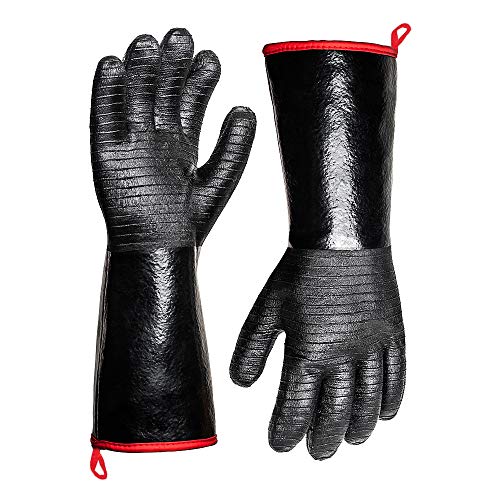
- Wear heat-resistant gloves when holding hot workpieces. Remember that metal, glass and tubing hold heat after you stop.
- Keep children and pets out of the work area, and do not leave a hot gun unattended.
Fire
- Remove or shield flammable materials, and remember that heat can travel through metal pipes and conduct to materials behind a surface. Insulation, wood framing, and dust inside walls can ignite out of sight.
- Do not use a heat gun near fuel, solvents, paint thinners, aerosol cans or flammable vapours.
- Do not use it as a flame substitute for thawing items near flammables, and never leave it running on a bench.
- After finishing, check the work area again some time later for smouldering, especially in walls, ceilings and cavities.
Fumes and materials
Paints, adhesives, plastics and coatings can release fumes when heated. Work in a ventilated space and consider appropriate respiratory protection for the material in question. Never heat old paint of unknown composition that might contain lead. Be careful around materials of uncertain composition in older buildings, and follow local rules for assessment first.
Eyes and hands
Wear safety glasses. Hot air can blow dust, flakes of paint and softened material toward your face. Gloves protect from both heat and sharp edges while you work.
Electrical and battery safety
Do not use any heat gun in wet conditions or near water. Do not block the air intake or the outlet, which can overheat the tool. Use only the battery pack intended for the tool, never a damaged pack, and keep packs from extreme heat. A pack that becomes very hot or swells should be removed from the tool and set aside on a non-flammable surface away from anything combustible.
Care and Storage
Allow the tool to cool completely before storing it. Keep the air intake clean, because dust and fibres clog it and cause overheating. Wipe the nozzle once it is cool, and inspect attachments for cracks or warping. Store the gun with the battery removed, in a dry place, and keep the nozzles together so you do not have to use an ill-fitting one. Protect battery contacts from loose metal, and avoid leaving packs in a hot vehicle. If you notice an unusual smell, flickering heat, a damaged housing or a loose element, stop using the tool and have it inspected or replaced.
Common Mistakes
- Expecting corded performance. Battery heat guns heat less and for less time. Match the job to the tool.
- Starting on high. Most jobs go better at low settings, and high settings drain the pack.
- Staying in one spot. Concentrated heat scorches paint, bubbles vinyl and melts plastic.
- Putting the gun down hot. The barrel can scorch surfaces or start a fire.
- Ignoring what is behind the surface. Heat passes through thin materials into hidden cavities.
- Using it on unknown old paint. That is a health risk, not just a mess.
Buying Checklist
- List the three jobs you will do most often and decide whether they need sustained heat.
- Pick adjustable temperature if you work with different materials.
- Check that the nozzles you need are included or available.
- Look for a guard, a stable resting position and a cool-down feature.
- Confirm the gun fits a battery system you own, or budget for a battery and charger.
- Plan for a second battery.
- Buy heat-resistant gloves and safety glasses.
- Keep a fire extinguisher in the work area.
- Read the maximum run time and duty-cycle notes in the documentation.
- Consider a corded gun if you strip paint or need sustained heat.
When you are ready to compare options, browse cordless heat guns, pick up heat-shrink tubing for electrical work, or see heat-resistant gloves.
Frequently Asked Questions
Can a cordless heat gun strip paint?
For a small patch, sometimes. For large areas it is slow, and batteries run down quickly. Never use a heat gun on paint that could contain lead.
How long will a battery last in a heat gun?
It depends on the pack, the setting and the tool. Expect much shorter run time at high heat than a drill gives. Using lower settings extends it, and a spare pack is wise.
Is a heat gun the same as a hair dryer?
No. A hair dryer is designed to be safe for skin and hair and operates at far lower temperatures. A heat gun can cause burns and start fires.
Can I use one to shrink tubing?
Yes, and this is one of the best uses. Use a low setting, keep the gun moving, and shrink from the centre outward.
Can I use it to thaw frozen pipes?
Heat guns are sometimes used for this, but it is risky. Some pipes are plastic, pipes may sit near flammable materials, and rapid heating can damage fittings. Follow plumbing guidance, warm gradually, and shut off the water if you can.
Does it need a special battery?
It needs the pack the manufacturer specifies. Higher-capacity packs generally run longer, but always use the type named in the documentation.
How hot does it get?
Hot enough to burn skin and ignite paper, wood and many plastics. Exact temperatures vary by tool and setting, so consult the documentation and treat every setting as hazardous.
Can I leave it running while I work on something else?
No. Never leave a heat gun running unattended, even briefly. Switch it off, let it cool and place it on a safe surface.
Conclusion
A cordless heat gun is at its best on short, precise jobs in places where a cord is a nuisance. Choose adjustable temperature if you work with varied materials, check the nozzles, plan for spare batteries, and keep a corded gun in mind for heavy stripping or sustained work. Above all, treat the tool as what it is: a source of very hot air that burns skin, ignites materials and releases fumes from some coatings. Use eye protection, gloves and ventilation, clear the area of flammables, let it cool fully before storing, and avoid heating old paint of unknown composition.
Disclosure: As an Amazon Associate, we earn from qualifying purchases. If you click an affiliate link and buy, we may earn a commission at no extra cost to you.
Related guides
More from Amazon
Programs that pair well with the guide above. Offers and eligibility are set by Amazon and may change.
A free business account with business pricing and bulk-buying tools for work, shop or home office.
Create a business accountFree shipping on eligible items, Prime Video and more. Eligible new members can start with a free trial.
Start a Prime free trialAudiobooks and podcasts to listen to on the go. Eligible new members can start with a free trial.
Try Audible freeAd-free music streaming. Eligible new subscribers can start with a free trial.
Try Music Unlimited freeAs an Amazon Associate we earn from qualifying purchases.
Write Your Review
No reviews yet. Be the first to share your experience!