What's inside
As an Amazon Associate I earn from qualifying purchases. This post may contain affiliate links at no extra cost to you.
What matters in an inspection camera
A cordless inspection camera is useful when a pipe, wall cavity, or appliance is difficult to reach but still needs a visual check. It will not replace a drain auger, leak detector, or plumber: a camera shows surfaces, not what is happening behind them. The useful buying questions are whether the camera can reach the target, whether its head fits, and whether you can see and save a clear image.
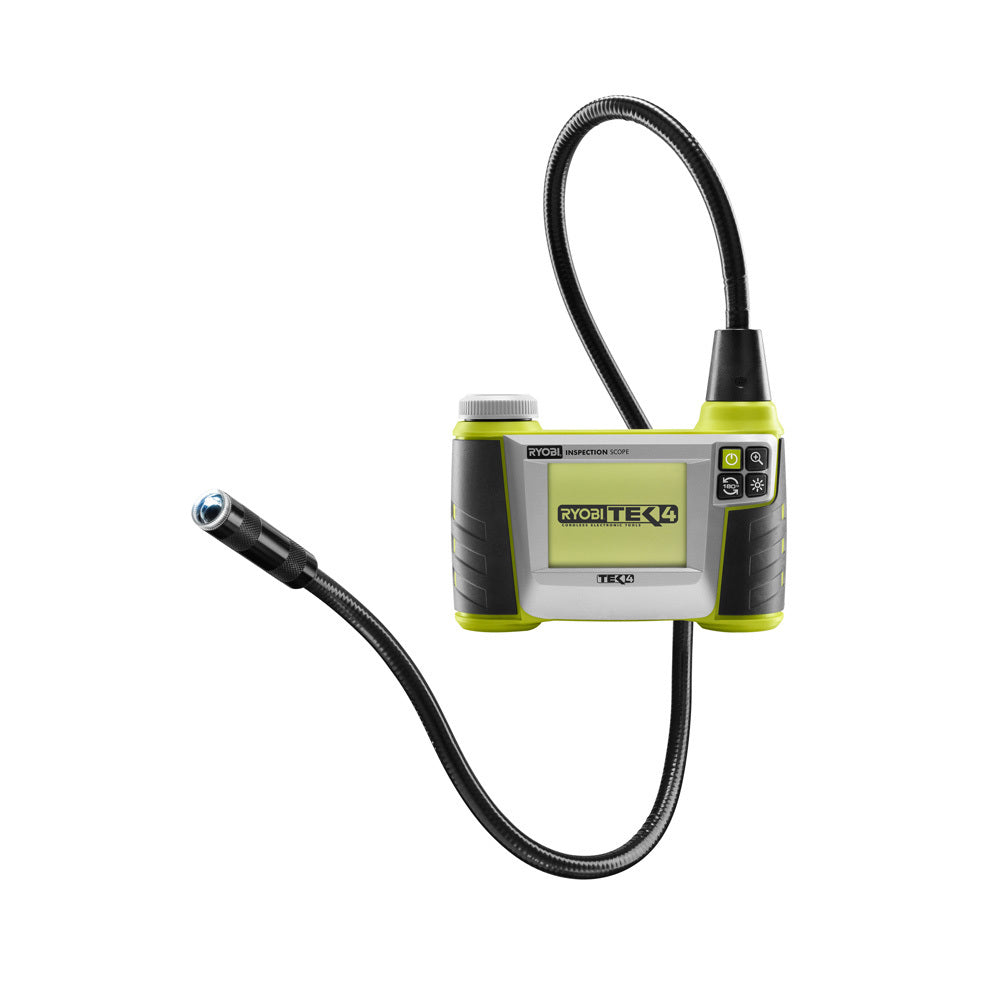
For occasional checks, a standalone rechargeable camera is often the sensible choice. If you already own batteries from a major cordless tool platform, a camera that uses those packs can be convenient, especially on longer jobs. But don’t assume every tool brand makes a compatible inspection camera, or that a camera’s screen, cable, or camera head will suit your job simply because its battery matches yours.
As an Amazon Associate we earn from qualifying purchases at no extra cost to you.


Choose by the job, not just the battery
For a sink trap or a short, accessible pipe run, a modest camera with a 3- to 5-foot cable may be enough. Checking a longer drain or a cavity behind a wall can call for a 10-foot or longer cable. More length is not automatically better: thin semi-rigid cables can kink, twist, or buckle when pushed too hard, and a longer cable is harder to steer around bends.
Camera-head diameter is a hard limit. A head around 8 to 9 mm can enter many small openings, while larger heads may give you a brighter image or more capable lighting but won’t fit tight passages. Measure the access point first, and leave some clearance; a nominally 8 mm opening is a poor bet for an 8 mm camera head.
Look for adjustable lights around the lens, a screen you can read in the work area, and a stated water-resistance rating for the camera head and cable. Don’t assume the display unit is waterproof because the probe is. A camera may also need to be held in a particular direction to make sense of the image; a rotating or articulating head helps, but adds cost and complexity.
Inspection camera options compared
| Option | Best fit | Main trade-off |
|---|---|---|
| Standalone rechargeable camera | Occasional household inspections and short runs | Simple and often inexpensive, but runtime and service support vary |
| Platform-battery camera | Frequent use when you already own compatible batteries | Battery convenience, but the tool may cost more and be bulkier |
| Camera that connects to a phone | Saving or sharing images on a tight budget | Phone compatibility, app reliability, and cable handling can be frustrating |
| Articulating or higher-resolution camera | Complex routes or detailed inspection work | Higher price; still cannot see around an obstruction or through grime |
For a general-purpose starting point, compare rechargeable cordless inspection cameras. Check the included cable length, head diameter, and whether photos or video can be saved—not just the headline resolution.
When a tool-platform battery makes sense
A platform-battery camera is most useful for tradespeople who already carry that battery system and inspect regularly. A charged spare pack can keep a long day moving, and there is no separate camera battery to remember. The downside is bulk: a tool battery can make a handheld camera awkward to hold overhead or inside a cabinet. It also adds little value if you only inspect a drain twice a year.
Before buying, confirm the exact battery platform and pack type the camera accepts. Brands sometimes sell tools that use different voltages or battery generations, and an adapter is not a safe substitute unless the tool maker explicitly supports it. Compare the camera-only price with the kit price, including any battery and charger. If you have neither, a standalone rechargeable unit may cost less overall.
If platform compatibility is your priority, look for inspection cameras made for cordless tool batteries, then verify compatibility on the manufacturer’s product page. Search results can mix brands, generations, and accessories that look similar but do not fit.
Common failures and how to avoid them
The most common mistake is pushing a semi-rigid cable into a bend it cannot negotiate. Feed it gently, rotate it slightly, and stop if it buckles or springs back. For a drain, remove the trap or use an existing cleanout when possible; forcing a camera through a tight, dirty bend risks damaging the cable and smearing the lens.
Water resistance has limits. Check whether the rating applies to the camera head alone, and keep the handle, screen, and battery dry unless their documentation says otherwise. Wipe the probe before retracting it so grit and moisture do not get dragged into the storage area. A wet or greasy lens can make a decent camera look useless; clean it before concluding that the image sensor is poor.
Lighting also has a practical limit. A bright ring light can wash out a nearby white pipe, while a dim setting may leave a dark cavity unreadable. Start low and increase brightness gradually. A camera cannot identify a leak simply by showing discoloration, and standing water, insulation, dust, or a pipe wall can hide the actual problem.
A short buying checklist
Measure the smallest opening and estimate the distance to the target. Choose a head smaller than the opening, and enough cable to reach with a little slack. For routine household work, a fixed-head camera with a built-in screen is usually easier than a phone-dependent setup. Pay extra for articulation or better recording only if you will use those features often.
For checking a wall cavity, use a small existing access opening or make one only after checking for wiring, plumbing, and structural members. A camera is a visual aid, not a guarantee that the space behind a wall is clear or safe to cut. For a difficult drain obstruction, recurring backup, or suspected pipe damage, a professional camera inspection may save time and prevent damage from probing blindly.
Related guides
- Longest Lasting Lawn Mower Battery: AGM vs Lithium vs Flooded Lifespan and Cost per Season
- Duralast Gold Lawn Mower Battery Review: U1 Fit, CCA and When to Pay for AGM
- Greenworks Pro 80V 21-Inch Mower Review: Runtime Math, Push vs Self-Propelled and Yard Fit
- Bosch High Pressure Washer Gun Replacement: Fittings, Adapters and What Fits Your Model