
Key takeaways
- The short answer: the best cordless polisher is the one that matches the surface you work on and the way you like to work.
What's inside
- Contents
- What a Cordless Polisher Actually Does
- The Main Types of Cordless Polishers
- Side-by-Side Comparison
- Pads, Compounds and the Polishing System
- Battery, Motor and Run Time
- Features Worth Paying For
- Who Should Choose What
- Buyer Checklist
- Mistakes to Avoid
- Safety When Polishing
- Frequently Asked Questions
- Bottom Line
As an Amazon Associate I earn from qualifying purchases. This post may contain affiliate links at no extra cost to you.
The short answer: the best cordless polisher is the one that matches the surface you work on and the way you like to work. For most hobbyists polishing paint, a dual-action (random orbital) model is the safest and most forgiving choice. A rotary model removes defects faster but demands more skill and gives you less margin for error. A compact mini polisher suits tight areas, small panels, headlights and detail work. Whatever the type, check the battery platform, speed control, weight and pad compatibility before you worry about anything else.
This guide does not rank specific products. It explains how the main styles differ, what the spec sheet really tells you, how pads and polishing compounds fit in, and which mistakes lead to burned paint and wasted weekends. Use it to narrow your shortlist, then compare current listings and manufacturer instructions against your own projects.
Contents
- What a cordless polisher actually does
- The main types of cordless polishers
- Side-by-side comparison
- Pads, compounds and the polishing system
- Battery, motor and run time
- Features worth paying for
- Who should choose what
- Buyer checklist
- Mistakes to avoid
- Safety when polishing
- Frequently asked questions
- Bottom line
What a Cordless Polisher Actually Does
A polisher spins or oscillates a foam, microfiber or wool pad against a surface while a liquid abrasive does the cutting. The tool supplies motion and pressure control; the pad and the compound supply the actual correction. That distinction matters because buyers often chase motor numbers when the pad and product choice have a bigger influence on the finish.
Going cordless trades the unlimited run time of a mains tool for freedom of movement. There is no cable to drag across a freshly cleaned panel, no extension lead to trip over, and no risk of the cord wrapping around your arm mid-pass. The price of that freedom is a finite battery and, usually, less sustained power than a corded machine of the same size. For many garage and driveway jobs, that is a fair exchange.
Polishers are used on far more than cars. Boats, motorbikes, caravans, hard plastic trim, acrylic, glass-like resin and some metals all respond to the same basic process. If you plan to use one on several of these, that should influence the type you buy more than anything else.
The Main Types of Cordless Polishers
Dual-action (random orbital) polishers
A dual-action machine spins the pad and also moves it in an offset orbit. Because the motion never lands in one spot for long, heat builds up slowly and the chance of cutting through paint is lower. That is why most guides point beginners here. Correction takes longer than with a rotary tool, but results are consistent and the learning curve is gentle. Many models accept a range of pad sizes and can be used for compounding, polishing and applying wax or sealant.
Rotary polishers
A rotary tool spins the pad on a single axis, which concentrates cutting action. It can remove deeper defects faster and is popular with professionals who know how to control it. The trade-off is heat. Hold it in one place, tilt the pad, or run it near an edge and you can burn through a finish in seconds. A cordless rotary is attractive for working away from a power outlet, but it is rarely the right first purchase.
Mini and detail polishers
Mini polishers use small backing plates and are designed for areas a full-size machine cannot reach: door jambs, mirror housings, wheel faces, headlight lenses, motorcycle tanks and small sections of boat gelcoat. They are light, often easy to hold in one hand, and cheap to run. They are not meant to correct an entire hood, and using them that way will be slow.
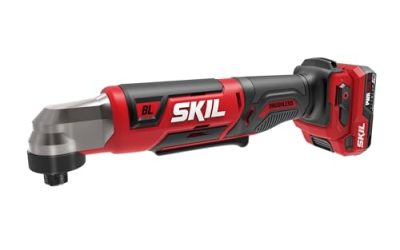
Cordless polisher-sanders and multi-purpose heads
Some cordless tools are marketed for buffing, light sanding and polishing in one body. These can suit general workshop users who occasionally restore a plastic part or a piece of metal trim, but a multi-purpose tool is seldom as refined for paintwork as a dedicated polisher. Read the manufacturer description closely to see which jobs it was actually designed for.
Side-by-Side Comparison
The table below summarises the general differences between the styles. It uses broad categories rather than product specifications, so always confirm the details of any model you consider.
| Type | Best for | Skill needed | Risk to paint | Typical drawback |
|---|---|---|---|---|
| Dual-action | Whole-vehicle polishing, wax and sealant application | Beginner friendly | Low | Slower on deep defects |
| Rotary | Heavy correction, experienced users | Advanced | High if misused | Heat, holograms and burn-through |
| Mini or detail | Tight areas, headlights, small panels | Beginner friendly | Low to moderate | Too slow for large surfaces |
| Multi-purpose buffer | Mixed workshop and household jobs | Beginner to intermediate | Varies | Less refined for paintwork |
If you are comparing models, a cordless dual-action polisher is a sensible starting category. You can browse current cordless dual-action polishers and read each description for pad size, battery compatibility and included accessories.
Pads, Compounds and the Polishing System
Foam, microfiber and wool pads
Foam pads come in a range of firmness levels. Firmer foam cuts more; softer foam finishes. Microfiber pads cut aggressively while staying cooler, and wool pads are generally reserved for heavy correction, usually with a rotary tool. A beginner is usually best served by a small set of foam pads covering cutting, polishing and finishing, rather than a bargain bag of mixed shapes.
Compounds, polishes and finishing products
Compounds contain larger abrasive particles and correct deeper marks. Polishes use finer abrasives and refine the surface. Finishing products add gloss or protection with minimal abrasion. Using a mild option first and stepping up only if needed is a sound habit, because you can always remove more material but you cannot put it back. Check the product label to see which pad types and surfaces it is intended for.
Backing plate and pad size
The backing plate holds the pad and must suit the tool. Larger plates cover more area but can be harder to control on curved panels. Smaller plates reach tight spots and concentrate pressure. Confirm that replacement pads in the sizes you want are easy to find for the tool you are considering, because a polisher with scarce consumables quickly becomes frustrating.
To keep things organised, it is worth buying a polishing pad and compound kit that lists which stages each pad is meant for, then adding specialty products only when a particular job demands them.
Battery, Motor and Run Time
Battery platform
If you already own cordless tools, the most economical path is usually a polisher that shares your existing battery and charger. Many tools are sold bare, with no battery included, so the headline price may not reflect what you actually need to buy. Check whether the listing includes a battery and charger before comparing.
Brushless and brushed motors
Brushless motors are generally more efficient and can offer longer run time per charge, while brushed motors are simpler and often cheaper. Neither label guarantees a better polisher on its own. Look at how the manufacturer describes speed range, control and expected use.
Estimating run time
Run time varies with pad size, pressure, speed setting, battery capacity and temperature. Polishing a whole vehicle is a long task, so plan on keeping a second battery charged and ready. A job that is interrupted halfway through a panel, with product drying on the surface, is more stressful than it needs to be. Manufacturer claims are measured under particular conditions, so treat them as a rough guide rather than a promise.
Features Worth Paying For
Variable speed and a speed lock
Speed control is the most useful feature on any polisher. Lower speeds help spread product and finish carefully; higher speeds work the compound. A dial that lets you set the speed before you start is better than relying purely on trigger pressure. A trigger lock or lock-on button reduces finger fatigue during long sessions, though you should know how to release it quickly.
Weight and balance
A cordless polisher carries a battery, so weight can creep up. Hold the tool if you can, or read user feedback on balance. A top-heavy machine tires your wrist and makes edge control harder. Handle design matters too: a main grip plus an auxiliary grip gives better control on vertical panels.
Soft start and overload protection
A soft start prevents the pad from jerking as it spins up, which keeps product from flinging across the panel. Thermal and overload protection can help the motor survive a demanding session, though they are no excuse for leaning on the tool.
Lighting, dust and cleanup
Polishing is a messy job. Sealed switches and smooth housings are easier to wipe down. Some tools include a work light, which can be helpful in a dim garage, though proper inspection lighting is a better investment for judging results.
Who Should Choose What
- First-time car owner: a dual-action model, a small set of foam pads and a mild polish.
- Enthusiast with deeper paint defects: a dual-action machine to start, with a rotary added later if you are willing to practise on scrap panels.
- Motorcycle or boat owner: a dual-action tool plus a mini polisher for curves, fittings and tight corners.
- Headlight restoration: a mini polisher or a small-plate dual-action machine, matched with products designed for plastic lenses.
- Existing cordless tool owner: a bare tool that fits your current battery platform, provided the specs suit polishing.
Buyer Checklist
- Decide the main surface: paint, plastic, gelcoat, glass-like resin or metal.
- Choose the type: dual-action for most people, rotary only if you have the experience.
- Confirm whether a battery and charger are included or sold separately.
- Check that pads in your preferred size are widely available.
- Look for variable speed with a clear way to set and read it.
- Think about weight, grip position and an auxiliary handle.
- Plan for a spare battery if you will work on large surfaces.
- Read the manual for stated maximum pad size and recommended use.
- Check warranty terms and the return policy.
- Budget for pads, compounds, microfiber towels and masking tape.
Mistakes to Avoid
Buying rotary first
Rotary tools reward experience. Without it, it is easy to create swirls, hologram-like haze or burned edges. Starting with a dual-action machine builds technique with less risk.
Ignoring consumable availability
An unusual backing plate or pad size can limit your options. Look at what accessories exist before you commit.
Using too much product
More compound does not mean better results. Excess product clogs the pad, slings across the panel and makes cleanup harder. A few small dots per section are usually enough, and the label will say more.
Polishing dirty paint
Any grit left on the surface or in the pad can scratch the finish as you work. Wash and dry the vehicle thoroughly, and clean or swap pads as they load up.
Pressing too hard
Heavy pressure increases heat and can stall the pad. Let the tool and product do the work, and keep the pad flat against the surface.
Skipping a test spot
Always try a small, inconspicuous area first. It shows how the pad and product combination behaves before you commit to a whole panel.
Forgetting the battery
Starting a big job with a half-charged pack is a common error. Charge fully the night before, and keep a spare nearby.
Safety When Polishing
Polishing looks gentle, but the tool is still a spinning machine, and a few habits reduce the risk of injury and damage. Read the manufacturer instructions for your specific tool and follow them above any general advice here.
- Eye protection: wear safety glasses, because compound and pad fibres can fling off at speed.
- Breathing: dried polish and pad lint can irritate your lungs. A suitable mask helps, and good ventilation matters when you work inside a garage.
- Hair and clothing: tie back long hair and avoid loose sleeves, drawstrings and dangling jewellery near a spinning pad.
- Pad contact: set the pad flat on the surface before pulling the trigger, and lift it away before releasing the trigger and letting it wind down.
- Edges and trim: use masking tape on trim and sharp body lines, since paint is thinnest around edges.
- Battery care: use only the charger intended for your battery, avoid charging in damp conditions, and stop using any pack that is damaged, swollen or unusually hot.
- Products and chemicals: read safety information on the compound label, keep it away from children and pets, and dispose of rags and leftover product as the label directs.
- Workspace: keep the floor dry and clear. Polish residue on concrete can be slippery.
Disconnect the battery before changing pads or backing plates, and never leave the tool where a child could pick it up.
Frequently Asked Questions
Are cordless polishers powerful enough for car paint?
For many hobby tasks, yes, especially with a dual-action design and good pads. Heavy correction on large vehicles may run batteries down quickly, so plan for spares and check what the manufacturer says about expected use.
Should a beginner buy a rotary or dual-action polisher?
Most beginners are better served by a dual-action tool. Its motion spreads heat and lowers the risk of burning paint, while still delivering noticeable improvement with the right pad and product.
Do I need a separate battery and charger?
Often yes. Many cordless tools are sold as bare units, so check the listing. If you already own compatible batteries, a bare tool can be good value.
What pad size should I buy?
It depends on the work. Larger pads suit open panels, while smaller pads suit curves and tight areas. Check which sizes the backing plate is designed for, and follow the manual.
Can I use a polisher to apply wax or sealant?
Many people do, using a soft finishing pad at a low speed. Confirm the product label and the tool instructions allow it.
How often should I polish my vehicle?
There is no universal schedule. Polishing removes a thin layer of clear coat, so most owners polish only when defects justify it, and rely on regular washing and protection in between.
Can a cordless polisher restore cloudy headlights?
Often it can help, particularly with a small pad and products made for plastic lenses. Severe damage or failed coatings may need a different approach, and a protective layer afterward is usually advisable.
How do I clean and store pads?
Rinse pads soon after use following the care instructions on the packaging, let them dry fully, and store them flat or hanging in a clean, dust-free spot so grit does not collect.
Bottom Line
Choose a dual-action cordless polisher unless you have a clear reason to do otherwise, add a mini model for detail work, and spend as much thought on pads, products and prep as on the tool itself. Check current specifications and instructions before you buy, and take your time on a test spot. When you are ready, you can compare mini cordless polishers for small jobs, and pick up microfiber towels for wiping off residue.
Disclosure: As an Amazon Associate, we earn from qualifying purchases. Links marked as sponsored may earn us a commission at no extra cost to you.
Related guides
More from Amazon
Programs that pair well with the guide above. Offers and eligibility are set by Amazon and may change.
A free business account with business pricing and bulk-buying tools for work, shop or home office.
Create a business accountFree shipping on eligible items, Prime Video and more. Eligible new members can start with a free trial.
Start a Prime free trialAudiobooks and podcasts to listen to on the go. Eligible new members can start with a free trial.
Try Audible freeAd-free music streaming. Eligible new subscribers can start with a free trial.
Try Music Unlimited freeAs an Amazon Associate we earn from qualifying purchases.
Write Your Review
No reviews yet. Be the first to share your experience!