What's inside
As an Amazon Associate I earn from qualifying purchases. This post may contain affiliate links at no extra cost to you.
For concrete drilling and anchoring, the best cordless platform is usually the one that can run a proper rotary hammer all day—not the one with the longest battery-runtime claim. Match the tool to the hole size and workload first, then consider battery cost, charger speed, and what other tools you already own. A compact hammer drill can handle occasional small holes, but it is a poor substitute for a rotary hammer once you are drilling repeatedly into hard concrete.
As an Amazon Associate we earn from qualifying purchases at no extra cost to you.


Choose the right tool before choosing the battery
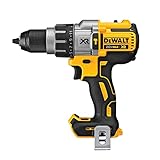
A cordless drill-driver with a hammer setting uses a rapid chuck action to chip at masonry. It is adequate for occasional holes around 1/4 inch in brick or softer block, especially when convenience matters more than speed. In dense concrete, it drills slowly, heats bits, and wears out the operator. If your work includes regular anchor holes, a rotary hammer is the more useful purchase.
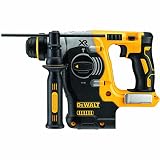
Rotary hammers use a mechanical striking mechanism and SDS-Plus bits, so the bit can move axially while the tool delivers impact. For common concrete anchors, a compact SDS-Plus model in roughly the 18- to 24-volt class is the practical cordless choice. Most anchor work calls for holes under 1/2 inch, though the tool’s stated capacity and the anchor manufacturer’s instructions should decide the limit. Larger holes, long drilling sessions, or frequent work in reinforced concrete may justify a heavier rotary hammer or a corded tool.
Before drilling, check for embedded services and reinforcement, use the hole diameter and depth specified for the anchor, and keep dust out of the hole. A hole that is too shallow, oversized, or full of dust can compromise an anchor even when the tool is powerful enough.
How the platform trade-offs compare
Battery voltage alone does not tell you how fast a rotary hammer will drill. Motor design, impact energy, bit condition, and battery output all matter. Use this comparison to narrow the platform; then compare the specific rotary hammers available in your market.
| Platform type | Best fit | Trade-off for concrete work |
|---|---|---|
| Compact 18V-class ecosystem | Occasional anchor holes and general site work | Smaller batteries keep the tool manageable, but heavy drilling may mean more pack changes and slower progress. |
| High-output 18V-class ecosystem | Regular SDS-Plus drilling with shared batteries across many tools | Large-capacity packs can improve sustained output, but add weight and cost; check compatibility within the brand’s battery families. |
| Higher-voltage or heavy-duty ecosystem | Long sessions, larger holes, or a fleet already built around that platform | Can offer more sustained capability, but batteries and tools are bulkier and a costly choice for occasional small anchors. |
| Corded rotary hammer | Stationary work or sustained heavy drilling near power | Lower battery expense and no runtime limit, but the cord is inconvenient on ladders, outdoors, and moving jobs. |
Battery size matters—but so does weight
A small battery is easier to handle overhead and may be enough for a few holes. For a full day of anchoring, a high-capacity pack is less likely to interrupt work. The exact number of holes per charge is not predictable: a 3/8-inch hole a few inches deep in cured concrete is very different from a deeper hole in dense aggregate. Temperature, bit sharpness, battery age, and pauses between holes also change runtime.
Rotary hammers draw hard under load. A pack that runs a drill-driver acceptably may feel weak in a hammer, particularly if it is an older, low-capacity pack. If possible, buy a kit with a battery intended for demanding tools, or test with the platform’s larger compatible pack. The downside is extra weight at the wrist. A second battery and a fast charger may be a better arrangement than carrying the biggest pack for every hole.
Also check whether a brand’s compact and high-output batteries actually fit the tool you want. Some manufacturers sell multiple battery families under similar branding, and not every pack works with every tool. For a new platform, compare the cost of a rotary hammer kit, a spare pack, and a charger—not just the bare tool.
What to buy for common jobs
For a homeowner installing a few small anchors each year, a hammer drill may be the economical choice if the holes are small and the masonry is not especially hard. It is slower, but buying a rotary hammer, SDS-Plus bits, and a new battery platform may not pay off for a handful of holes. If the hammer drill stalls, takes several minutes per hole, or overheats, stop rather than forcing it; that is a sign the job needs a rotary hammer.
For contractors and regular renovation work, look for a cordless SDS-Plus rotary hammer with a hammer-only mode, a side handle, and a depth stop. A vibration-control feature is useful during repeated drilling, though it cannot eliminate exposure. Follow the tool’s instructions for breaks and safe handling. Start holes square to the surface, let the bit work without leaning heavily on the machine, and withdraw it occasionally to clear dust.
Compare cordless SDS-Plus rotary hammers within the battery system you already own before buying into a new platform. If you are starting from scratch, compare kits that include a suitable battery and charger rather than judging the bare tool alone. For occasional work, cordless hammer-drill kits can be a cheaper, more versatile option, provided you accept slower concrete drilling.
Bits and dust can make a good tool seem bad
Use sharp masonry bits suited to the material and the tool’s chuck. SDS-Plus rotary hammers require SDS-Plus bits; ordinary round-shank bits do not lock into that chuck correctly. A worn or poorly matched bit increases drilling time, heat, and battery consumption. If a hole suddenly becomes slow, inspect the bit and check whether it has hit reinforcement. Do not keep hammering blindly into suspected rebar: stop, reassess the hole location, and follow the project or anchor guidance.
Concrete dust is a health hazard, not just a cleanup problem. Use effective dust extraction or a suitable collection method, eye protection, and respiratory protection appropriate to the exposure and local requirements. For overhead drilling, dust control matters even more. Clear each hole as the anchor manufacturer specifies; dust left at the bottom can prevent proper seating or reduce holding performance.
A practical buying decision
Choose a platform you can support with compatible batteries and chargers, then buy the lightest rotary hammer that covers your actual hole sizes and workload. Small, occasional holes are a fair case for a hammer drill. Repeated anchors in cured concrete are a strong case for cordless SDS-Plus. For sustained heavy drilling, compare a high-output cordless kit against a corded rotary hammer and count the cost of spare batteries, not only the tool price. The right choice is the one that finishes the specified holes cleanly without making the battery system—or the operator—work harder than the job requires.
Related guides
- Longest Lasting Lawn Mower Battery: AGM vs Lithium vs Flooded Lifespan and Cost per Season
- Duralast Gold Lawn Mower Battery Review: U1 Fit, CCA and When to Pay for AGM
- Greenworks Pro 80V 21-Inch Mower Review: Runtime Math, Push vs Self-Propelled and Yard Fit
- Bosch High Pressure Washer Gun Replacement: Fittings, Adapters and What Fits Your Model