
What's inside
- Top Picks at a Glance
- Comparison Table
- Which Sprayer Type Matches Which Coating?
- 1. Chapin 19494 3.5-Gallon Industrial Concrete Sprayer: Best for Concrete Sealer
- 2. Foundation Armor 2-Gallon Stainless Steel Pump Sprayer: Best Premium Sprayer for Solvent and Acetone Sealers
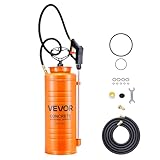
- 3. VEVOR 3.5-Gallon Industrial Concrete Sprayer: Best Value for Large Sealer Jobs
- 4. Fuji Spray 2203G Semi-PRO 2 Gravity HVLP System: Best for Clear Lacquer
- 5. Earlex 5700 Stationary HVLP Finishing Sprayer: Best for Woodworking Finishes
- 6. Graco Magnum X5 Airless Paint Sprayer: Best for Primer and Large Surfaces
- 7. Wagner Spraytech Power Tex Electric Texture Sprayer: Best for Wall Texture
- Also Consider
- How We Chose
- Buying Guide
- Common Mistakes to Avoid
- Frequently Asked Questions
- Which One Should You Buy?
- Sources
As an Amazon Associate I earn from qualifying purchases. This post may contain affiliate links at no extra cost to you.
The best sprayer depends on what is in the tank: a chemical-resistant pump sprayer for concrete sealer, an HVLP system for lacquer and fine finishes, an airless sprayer for primer, and a hopper gun for wall texture. Our top pick for concrete sealer is the Chapin 19494 3.5-gallon industrial concrete sprayer, and the top pick for a smooth lacquer finish is the Fuji Spray 2203G Semi-PRO 2 gravity HVLP system.
Searches such as the best sprayers for concrete sealers, the best sprayers for clear lacquer, the best texture sprayers and the best tip sizes for primer all point at the same mistake: buying one “paint sprayer” and expecting it to handle every coating. Thin lacquer, thick texture, solvent-based sealer and latex primer each want a different tool. This guide sorts seven sprayers by job, then explains how to pick tips and what the listings do and do not tell you.
Deck and fence stain already has its own guide on this site, so here we focus on the other coatings. We did not personally use any of these sprayers; the guide is research-based, drawing on listing specifications and manufacturer guidance, and where a listing leaves out a detail we say “not listed”. Never trust a universal tip number: always confirm tip size and compatible materials in your sprayer’s manual and on the coating’s can.
As an Amazon Associate we earn from qualifying purchases at no extra cost to you.


Top Picks at a Glance
- Best for Concrete Sealer: Chapin 19494 3.5-gallon industrial concrete sprayer, with chemical-resistant seals and brass parts
- Best Premium Sealer Sprayer: Foundation Armor 2-gallon stainless steel sprayer for water-, solvent- and acetone-based sealers
- Best Value Sealer Sprayer: VEVOR 3.5-gallon industrial concrete sprayer, with a 20.5-inch wand
- Best for Lacquer: Fuji Spray 2203G Semi-PRO 2 gravity HVLP system, 1400W motor
- Best for Woodworking Finishes: Earlex 5700 stationary HVLP finishing sprayer
- Best for Primer: Graco Magnum X5 airless sprayer, 3000 PSI with adjustable pressure
- Best for Wall Texture: Wagner Power Tex electric texture sprayer, 3 patterns, 1-gallon hopper
Comparison Table
| Product | Best for | Key specs | Watch for | Price tier |
|---|---|---|---|---|
| Chapin 19494 3.5-gal | Concrete sealer, driveways and patios | 3.5 gal, Tri-Poxy steel tank, chemical-resistant seals, brass parts | Heavy when full; check the sealer compatibility | Mid-range |
| Foundation Armor 2-gal | Solvent and acetone-based sealers | 2 gal, stainless steel, for water-, solvent- and acetone-based coatings | Smaller tank means more refills | Premium |
| VEVOR 3.5-gal Concrete | Budget sealer work | 3.5 gal, stainless, 20.5-in wand, 48-in and 120-in hoses, 2 brass nozzles | Seal material details to confirm | Budget to mid-range |
| Fuji Spray 2203G | Lacquer, clear coats, cabinets | Gravity HVLP, 1400W motor, adjustable fan pattern | Needs practice and thinning knowledge | Premium |
| Earlex 5700 | Fine furniture finishes | Stationary HVLP; oil- and water-based finishes | Stationary unit, not for texture | Mid-range to premium |
| Graco Magnum X5 | Primer on walls, fences, trim | Airless, 3000 PSI, adjustable pressure control | Overspray; not for fine lacquer | Mid-range |
| Wagner Power Tex | Popcorn, knockdown, orange peel | Electric, 3 patterns, 1-gallon hopper | Hopper size limits big rooms | Budget to mid-range |
Which Sprayer Type Matches Which Coating?
These four tool types are not interchangeable. Start with the coating, then choose the tool.
- Compression pump sprayer (concrete sealer): you pump the tank by hand and spray through a brass wand. Seals and tank material decide whether a given sealer is safe in it, so match the sprayer to the sealer chemistry.
- HVLP (clear lacquer, stain, finishes): high volume, low pressure atomizing gives a fine, controllable mist with less overspray than an air gun. It suits cabinets, furniture and trim.
- Airless (primer, paint, thin stains): a pump forces material through a tip at high pressure. It is fast on large surfaces but produces more overspray and takes masking.
- Texture hopper gun (drywall texture): a gravity hopper feeds thick material through large nozzles, powered by an air compressor or, on some models, an electric motor.
1. Chapin 19494 3.5-Gallon Industrial Concrete Sprayer: Best for Concrete Sealer
- Tank: 3.5 gallons, Tri-Poxy steel
- Chemical-resistant seals
- Brass components
- Type: manual compression pump sprayer
- Wand and hose lengths: not listed in the title
Best for: Sealing driveways, garage floors and patios, where a bigger tank means fewer refill stops.
Skip if: you plan to spray a thin lacquer or want a fine, furniture-grade finish; a pump sprayer will not give it.
Concrete sealer is a coating that normally goes on with a pump sprayer, and the listing for this Chapin describes exactly that job: a steel tank with a protective coating, chemical-resistant seals and brass parts for demanding concrete work. The 3.5-gallon capacity is about right for a driveway section or garage floor before refilling.
What matters most is compatibility. Some sealers are water-based, some solvent-based, some acetone-based, and each can attack certain seal materials. The listing says chemical-resistant seals but not which chemistries are covered, so check the manufacturer’s compatibility chart and the sealer label before use.
A compression sprayer applies a thin, even coat if you keep a steady pace and overlap passes. Sealer should go on thin; pooling is a common mistake that leaves a cloudy or sticky surface. Follow the sealer manufacturer’s guidance on number of coats and drying time.
Pros
- Steel tank built for sealer work
- Chemical-resistant seals
- 3.5-gallon capacity suits big slabs
Cons
- Heavy to carry when full
- Seal chemistry coverage not listed
2. Foundation Armor 2-Gallon Stainless Steel Pump Sprayer: Best Premium Sprayer for Solvent and Acetone Sealers
- Tank: 2 gallons, stainless steel
- For water-based, solvent-based and acetone-based sealers, coatings and cleaners
- Type: manual pump sprayer
- Wand and nozzle details: not listed
Best for: Anyone using a solvent- or acetone-based concrete sealer who wants a sprayer explicitly described for those materials.
Skip if: you only apply water-based sealer; a cheaper sprayer will usually do.
The key selling point is in the title: it is described as suitable for water-based, solvent-based and acetone-based sealers, coatings and cleaners. That is a rarer claim than it sounds. Many pump sprayers are made for water and garden chemicals, and aggressive solvents can swell or dissolve standard seals.
Stainless steel also resists corrosion and is easier to clean out between coatings. The 2-gallon tank is smaller than the Chapin, which makes it easier to carry around a patio or garage but means more refills on a big slab.
As with any sprayer, ventilation and personal protection matter far more with solvents than with water-based products. Read the sealer’s safety data sheet, work with good airflow and keep ignition sources away from solvent-based material.
Pros
- Explicitly described for water-, solvent- and acetone-based coatings
- Stainless steel tank
- Easier carry at 2 gallons
Cons
- Higher price than basic sprayers
- More refills on large areas
3. VEVOR 3.5-Gallon Industrial Concrete Sprayer: Best Value for Large Sealer Jobs
- Tank: 3.5 gallons, stainless steel
- 20.5-inch wand with ergonomic gun handle
- 48-inch and 120-inch hoses
- 2 brass nozzles
- Seal material: not listed
Best for: DIYers sealing a few slabs who want a large tank and two hose lengths without paying for a premium brand.
Skip if: you need documented compatibility with aggressive solvents; the listing does not detail seals.
The VEVOR gives you the large-tank format at a lower price. Two hoses are included, 48 inches and 120 inches, which is handy: the short one suits close work, and the long one lets you stay at the edge of a slab while spraying out across it.
The 20.5-inch wand with a gun-style handle is comfortable for pavement work because you can apply sealer while standing without stooping. Two brass nozzles let you choose a wider or narrower pattern.
The caveat is the same as with any budget sprayer: the listing does not name the seal material, so for solvent-based or acetone-based sealer confirm with the manufacturer before using it.
Pros
- Large 3.5-gallon tank at a friendly price tier
- Two hose lengths included
- Two brass nozzles and a long wand
Cons
- Seal material not listed
- Heavy when full
4. Fuji Spray 2203G Semi-PRO 2 Gravity HVLP System: Best for Clear Lacquer
- Type: gravity-feed HVLP turbine system
- Motor: 1400W
- Adjustable fan pattern
- Cup and hose details: not listed in the title
Best for: Finishing cabinets, doors, furniture and trim with lacquer or clear coats where a smooth surface matters.
Skip if: you only need to coat a fence or a floor; this is a finishing tool, not a production tool for large areas.
Lacquer is thin and dries fast, which makes it unforgiving. An HVLP turbine system such as this Fuji produces a soft, high-volume, low-pressure mist that lays down fine coats with less overspray than an airless gun. The gravity-feed cup places the material above the gun, which helps it spray thin materials with less air pressure.
The listing highlights a 1400W motor and an adjustable fan pattern. The fan control is what lets you switch between a wide pattern for a tabletop and a narrow one for a chair leg. Lacquer needs thin coats, a clean environment and ventilation, and manufacturers’ instructions on thinning vary; follow the lacquer’s technical data sheet.
The cost is higher than a basic HVLP gun, so this is a tool for people who finish regularly. Also note that lacquer is flammable and the fumes are harmful: use a suitable respirator and keep the work area free of flames and sparks.
Pros
- Fine, controllable mist for clear coats
- Adjustable fan pattern
- Gravity-feed cup suits thin materials
Cons
- Premium price
- Learning curve for thinning and technique
5. Earlex 5700 Stationary HVLP Finishing Sprayer: Best for Woodworking Finishes
- Type: stationary HVLP system
- Designed for fine finishing
- Oil- and water-based materials, per the listing
- Power and hose details: not listed
Best for: Woodworkers finishing furniture and cabinets with oil- or water-based coatings.
Skip if: you need to spray heavy materials such as texture or elastomeric coatings.
The Earlex 5700 is a stationary HVLP unit, meaning the turbine sits on the floor and a hose runs to a lightweight gun. That arrangement is comfortable for long finishing sessions because your hand holds only the gun.
The listing says it supports fine finishing with oil- and water-based materials, which covers most woodworking coatings, but it does not list lacquer. If your finish is lacquer, check the manufacturer’s compatibility notes before buying.
Compared with the Fuji, this is a more accessible step into HVLP for a home shop. As always, thin the coating as the manufacturer directs and practice on scrap.
Pros
- Stationary unit keeps the hand weight low
- Supports oil- and water-based finishes
- Aimed at woodworking
Cons
- Lacquer compatibility not stated
- Not suited to thick coatings
6. Graco Magnum X5 Airless Paint Sprayer: Best for Primer and Large Surfaces
- Type: airless paint sprayer
- Pressure: 3000 PSI
- Adjustable pressure control
- Interior and exterior use
- Tip supplied: not listed in the title
Best for: Priming walls, fences, trim and exteriors where speed matters more than a fine finish.
Skip if: you want furniture-grade lacquer or ultra-thin coats; airless is too coarse for that.
Primer is one of the jobs airless sprayers do best. The Graco Magnum X5 is a well-known DIY airless sprayer, and the listing highlights 3000 PSI and adjustable pressure control. The pressure control lets you turn the pump down to reduce overspray and bounce-back on smaller jobs.
Tip choice matters more than the sprayer name. Tips are numbered: the first digit indicates half the fan width at 12 inches, and the last two digits give the orifice size in thousandths of an inch. Graco’s own guidance and other sprayer guides generally suggest smaller orifices for stains and lacquers and larger ones for latex paints and primers, and some sources show primer ranges around the mid-teens to high-teens. Ranges differ by source and by product, so we do not give a single universal number. Use the tip chart in the manual and the recommendation on the primer’s can.
Mask everything you do not want coated, wear a respirator, and keep a clean filter. Airless pressure can injure skin if a tip is mishandled, so never point the gun at a person or hold a hand over the tip.
Pros
- Adjustable pressure control
- Fast on large areas
- Widely used DIY airless model
Cons
- Overspray needs masking
- Not for fine lacquer work
7. Wagner Spraytech Power Tex Electric Texture Sprayer: Best for Wall Texture
- Type: electric texture sprayer
- 3 texture patterns: popcorn, knockdown and orange peel
- Hopper: 1 gallon
- Compressor needed: no, per the electric design
Best for: Patching or finishing a room with popcorn, knockdown or orange peel texture without owning an air compressor.
Skip if: you plan to texture an entire house; the 1-gallon hopper means frequent refills.
Texture is a thick material, so it needs a hopper and large orifices, not a lacquer gun. The Power Tex is an electric unit, meaning no air compressor is required, and the listing describes three patterns from a 1-gallon hopper. For a bedroom ceiling or a patched wall section, that is a manageable size.
Texture quality depends on mix consistency and distance as much as on the sprayer. Follow the texture compound’s mixing directions and test on cardboard before aiming at the wall. Drywall dust, mist and compound require good masking, eye protection and a mask.
For ceiling work in large rooms, hopper-style compressor guns with larger hoppers exist and are listed below, but they need a suitable air compressor.
Pros
- No compressor needed
- Three common texture patterns
- Simple electric design
Cons
- 1-gallon hopper limits large jobs
- Not suited to fine finishes
Also Consider
HILTEX 31229 Air Texture Gun
Listing details: 1.32-gallon hopper, 3 nozzles (4.0mm, 6.0mm and 8.0mm), intended for drywall texture on walls and ceilings including knockdown and popcorn. It needs an air compressor, so check your compressor’s output first.
InoKraft MaXpray M1 Airless Paint Sprayer
Listing details: 3000 PSI, 0.31 GPM, thinning-free latex and acrylic spraying, 515 tip, 25-ft hose and 12-inch extension. A DIY-oriented airless alternative to the Graco for primer and paint.
Wagner Spraytech Control Pro 150 HEA Airless Sprayer
A high-efficiency airless model described as low overspray and designed for larger interior and exterior paint and stain projects. A stronger choice than the X5 if overspray is a problem.
Chapin 25012 Clean ‘N Seal 1-Gallon Poly Sprayer
A small poly deck sprayer for deck cleaners and transparent stains and sealers. It is a tidy option for light sealer jobs and sits between a garden sprayer and a concrete sprayer.
How We Chose
We reviewed listings in the site’s product store for tank material, seal descriptions, pump type, motor power and hopper size, and picked one strong option for each coating type: sealer, lacquer, finishing, primer and texture. We described only what each listing states and marked missing details as “not listed”.
For tip sizing we checked manufacturer guidance from Graco and other sprayer guides, which agree on how tip numbers work but give slightly different orifice ranges by material. This guide is research-based. We did not personally use these sprayers, and we do not publish performance figures of our own.
Buying Guide
Start with the coating, not the sprayer
Read the coating’s technical data sheet. It tells you whether the material can be sprayed, whether it needs thinning, and what equipment type and tip or nozzle size the manufacturer recommends. A water-based concrete sealer may spray through a standard pump sprayer, while a solvent-based one may need solvent-resistant seals. Lacquer usually needs HVLP or a conventional gun. Texture compound needs a hopper gun. If the data sheet and the sprayer manual disagree, trust the manufacturers over any buying guide.
How tip and nozzle sizing works
On airless tips, a three-digit number such as 515 tells you two things: the first digit, doubled, is the approximate fan width in inches at 12 inches from the surface, and the last two digits are the orifice diameter in thousandths of an inch. A bigger orifice delivers more material and suits thicker coatings. Guides generally put stains and lacquers at smaller orifices and latex paint or primer at larger ones, but the ranges overlap and depend on the product, so use the sprayer’s tip chart and the can’s recommendation rather than a fixed number. Choose a tip rated at or below your pump’s maximum, because tips wear and enlarge with use.
Seals, tank material and cleaning
For concrete sealers, the tank and seals are what matter. Stainless steel and coated steel resist corrosion; Viton or other solvent-resistant seals are needed for harsh solvents. Clean any sprayer immediately after use with the cleaner the coating manufacturer recommends, because dried sealer or lacquer clogs fine passages.
Pressure, overspray and coverage
Airless sprayers apply a lot of material quickly but throw overspray, so mask and wear a respirator. HVLP systems cut overspray and give finer control. Pump sprayers apply sealer in a low-pressure fan, which is ideal for flat surfaces but unsuited to fine finishes. Match the pressure to the surface and always test on scrap.
Safety and ventilation
Solvent-based sealers and lacquer are flammable and give off harmful vapors. Work outdoors or with strong ventilation, extinguish pilot lights, wear a respirator with the right cartridge and read the safety data sheet. Never aim an airless gun at a person, and never hold a hand over the tip.
Common Mistakes to Avoid
- Using a garden pump sprayer with standard seals for solvent-based or acetone-based sealer.
- Applying concrete sealer too thickly so it pools, turns cloudy or stays tacky.
- Choosing an airless sprayer for lacquer and ending up with a coarse, orange-peel surface.
- Picking a tip number from a forum without checking the sprayer’s maximum rating and the can’s recommendation.
- Skipping a test on cardboard or scrap before spraying texture or finish coats.
- Not cleaning the sprayer right after use, which clogs nozzles and filters.
Frequently Asked Questions
What is the best sprayer for concrete sealer?
A chemical-resistant compression pump sprayer such as the Chapin 19494 is the usual choice for concrete sealer. If your sealer is solvent- or acetone-based, choose a sprayer explicitly described for those materials, such as the Foundation Armor stainless model, and confirm compatibility with the sealer manufacturer.
What is the best sprayer for clear lacquer?
An HVLP system, such as the Fuji Spray 2203G gravity unit, is usually the best fit because it atomizes thin coatings finely with limited overspray. Check the lacquer’s technical data sheet for thinning and equipment guidance, and ventilate well because lacquer is flammable.
What is the best texture sprayer?
For small jobs, an electric unit such as the Wagner Power Tex needs no compressor and applies popcorn, knockdown and orange peel patterns. For larger jobs, a compressor-driven hopper gun such as the HILTEX 31229 holds more material, provided your compressor can keep up.
What tip size should I use for primer in a Titan or other airless sprayer?
There is no single number; it depends on the primer, the sprayer and the surface. Guides commonly mention mid-teens to high-teens orifice sizes for latex and oil primers, with 515 and 517 style tips often cited for fan width, but check your sprayer’s tip chart and the primer’s can before choosing.
Can I use a paint sprayer to stain doors and trim?
Yes, an HVLP or a small airless sprayer with a fine tip can stain doors and trim, but thin stains run easily so test first. Mask surrounding areas, wear a respirator and expect to wipe or back-brush if the stain manufacturer advises it.
Can I seal concrete with a regular garden sprayer?
Only if the sealer is compatible with the sprayer’s tank and seals, which is usually the case for some water-based products and not for solvents. Check both the sealer label and your sprayer’s manual.
Can a sprayer be used for pottery glaze?
Some glaze work uses an HVLP gun or airbrush, but glaze spraying involves fine dust and materials that need ventilation and the right respirator. Check the glaze supplier’s guidance; this guide covers building coatings, not ceramics.
Which One Should You Buy?
For concrete sealer, choose the Chapin 19494 for a big slab or the Foundation Armor if your sealer is solvent- or acetone-based. For lacquer and fine finishing, the Fuji Spray 2203G is the stronger pick and the Earlex 5700 is the more approachable woodshop option. For primer and large surfaces, the Graco Magnum X5 is the straightforward choice, and for wall texture the Wagner Power Tex is the simplest.
Whatever you pick, read the coating’s data sheet first, test on scrap, ventilate and wear the right respirator. If any listing detail matters to your job, such as seal material or tip rating, check your model’s manual before you buy.
Sources
- Graco guidance on choosing and understanding airless spray tips
- Sprayer tip sizing guides from Portland Compressor and DP Airless
- Manufacturer product pages for Chapin, Foundation Armor, VEVOR, Fuji Spray, Earlex, Graco and Wagner
- Product listing specifications in the site’s product store
- Coating manufacturers’ technical data sheets and safety data sheets
Last updated: October 2026
Related guides
More from Amazon
Programs that pair well with the guide above. Offers and eligibility are set by Amazon and may change.
A free business account with business pricing and bulk-buying tools for work, shop or home office.
Create a business accountFree shipping on eligible items, Prime Video and more. Eligible new members can start with a free trial.
Start a Prime free trialAudiobooks and podcasts to listen to on the go. Eligible new members can start with a free trial.
Try Audible freeAd-free music streaming. Eligible new subscribers can start with a free trial.
Try Music Unlimited freeAs an Amazon Associate we earn from qualifying purchases.


Write Your Review
No reviews yet. Be the first to share your experience!