What's inside
As an Amazon Associate I earn from qualifying purchases. This post may contain affiliate links at no extra cost to you.
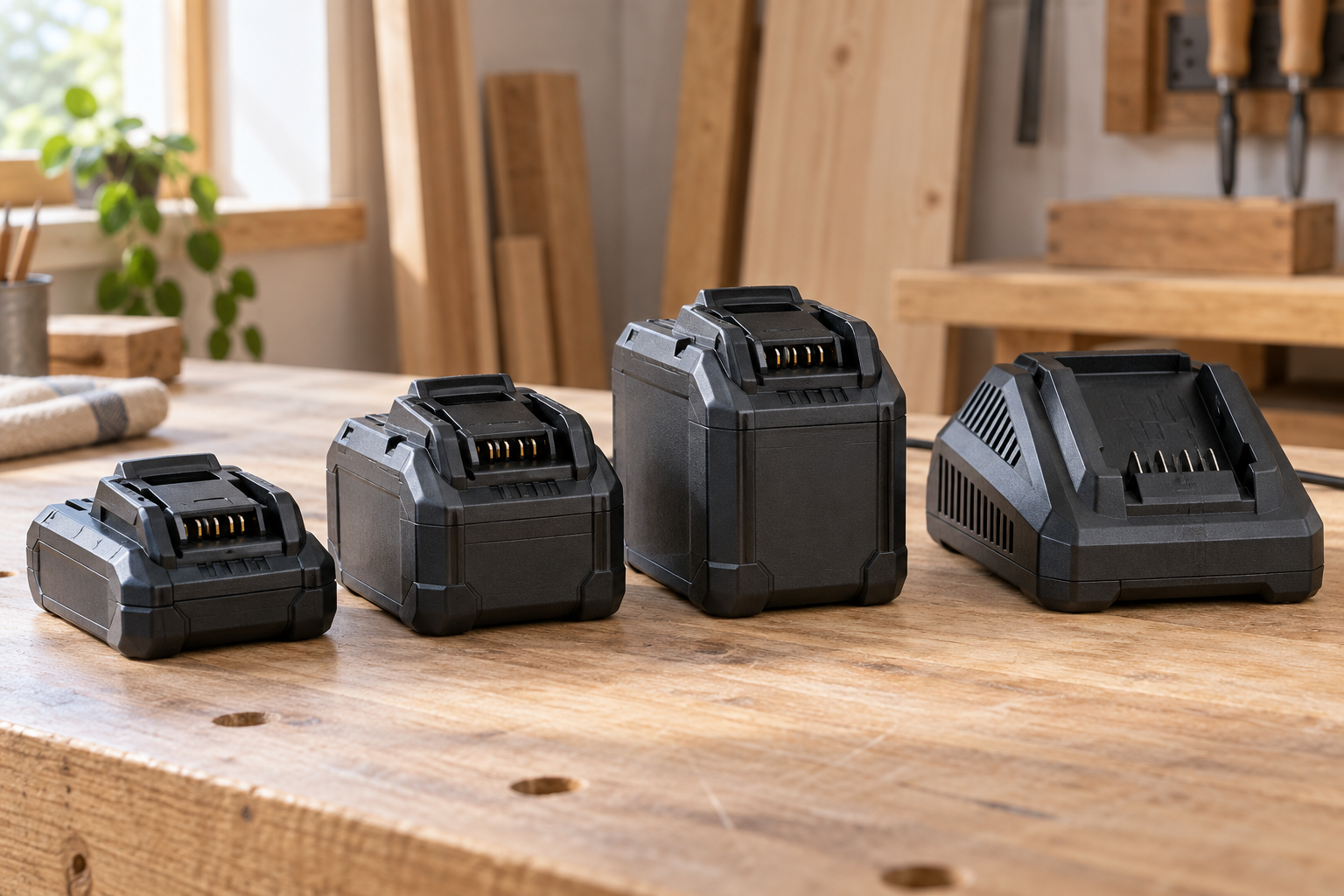
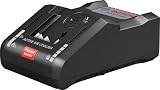
The Bosch GAL18V-20 and GAL18V-40 are compact chargers for Bosch’s 18V battery system. The main difference is charging speed: the GAL18V-40 can deliver up to 4 amps, while the GAL18V-20 is rated at 2 amps. That difference matters if you cycle through batteries during a workday. For occasional DIY use, the slower charger may be entirely adequate.
As an Amazon Associate we earn from qualifying purchases at no extra cost to you.



Check battery compatibility first
Both chargers are intended for Bosch Professional 18V lithium-ion batteries. Check the label on your battery and the charger’s current compatibility information before buying; Bosch has multiple battery platforms, and an 18V rating alone does not guarantee compatibility. These are not chargers for Bosch 12V batteries or Bosch consumer-tool batteries from a different system.
Neither charger makes a battery larger or increases a tool’s runtime. They only change how quickly a compatible battery can be replenished. Battery capacity, measured in amp-hours (Ah), is a useful rough guide to charging time: a 4Ah pack holds about twice as much charge as a 2Ah pack, so it generally takes longer to charge.
GAL18V-20 vs GAL18V-40
| Feature | GAL18V-20 | GAL18V-40 |
|---|---|---|
| Rated charging current | 2A | 4A |
| Best fit | Occasional use, overnight charging, one-battery kits | Frequent use, larger packs, faster turnaround |
| Charging speed | Slower, especially with higher-capacity packs | Generally faster; actual time depends on pack and temperature |
| Worth paying more for? | When batteries can charge between jobs | When a charged pack is needed sooner |
The 4A rating is double the 2A rating, but it does not mean every battery will charge in exactly half the time. Charging current can change as the battery fills, and the battery’s temperature and condition affect the process. Treat the ratings as a practical speed comparison, not a precise time guarantee.
What the speed difference means on the job
With a single battery and a short job, either charger may be fine: put the pack on charge after work and use it the next day. The GAL18V-20 is a sensible low-cost choice when charging time is not a bottleneck. It can also suit a small kit with a lower-capacity battery that sees occasional use.
The GAL18V-40 makes more sense if you work through packs during the day. For example, a user with two batteries can run one while charging the other; a faster charger reduces the gap before the spare is ready. That is useful for drilling, fastening, or cutting that would otherwise stop while you wait. It does not replace a second battery if your tools consume charge faster than the charger can restore it.
As capacity rises, the difference becomes more noticeable. A high-capacity pack takes longer to refill than a compact pack at the same charger rating. If your work regularly empties a large battery, consider the faster charger and an extra battery rather than assuming one charger will keep pace with continuous tool use.
Size, cost, and practical trade-offs
Both models are compact compared with many higher-output charging setups, which helps in a small shop, service van, or crowded workbench. Before choosing, check the dimensions and mounting arrangement in the current product listing if the charger must fit a particular case or shelf. A faster charger is not automatically the better buy if it will sit unused most of the time.
The GAL18V-20 is the cheaper option to consider when price matters more than turnaround. If your battery charges overnight or between weekend projects, paying extra for speed may not change how you work. The GAL18V-40 is the more useful upgrade for frequent users, larger battery packs, or jobs where waiting for a charge interrupts paid work.
For broader shopping, compare Bosch 18V battery chargers by exact platform compatibility, charging current, and included accessories. If you need another pack to keep working while one charges, check Bosch Professional 18V batteries and match the battery to your tools and charger.
Avoid common charging problems
A battery that feels hot after heavy use may need time to cool before charging. Likewise, a very cold pack can charge slowly or be refused until it reaches a suitable temperature. If charging pauses, check the charger indicators and the battery temperature rather than repeatedly removing and reseating the pack. Follow the instructions for the specific battery and charger.
Keep the contacts clean and dry, and do not charge a battery that is cracked, swollen, leaking, or otherwise damaged. A pack that repeatedly stops charging, loses capacity unusually quickly, or shows an error may be worn or faulty; a faster charger will not fix it. Use a compatible Bosch charger, leave ventilation around it, and avoid covering it with rags or storing it where dust and debris can block airflow.
Which one should you buy?
Choose the GAL18V-20 if you charge overnight, use your tools intermittently, or want the lower-cost charger for a modest kit. Choose the GAL18V-40 if faster battery turnover will save waiting time, particularly with higher-capacity packs or repeated work during the day. If you are buying a first setup, compare kit contents too: a charger bundled with the tool and battery may be better value than buying a charger separately.
FAQ
Which one should you buy?
Related guides
- Longest Lasting Lawn Mower Battery: AGM vs Lithium vs Flooded Lifespan and Cost per Season
- Duralast Gold Lawn Mower Battery Review: U1 Fit, CCA and When to Pay for AGM
- Greenworks Pro 80V 21-Inch Mower Review: Runtime Math, Push vs Self-Propelled and Yard Fit
- Bosch High Pressure Washer Gun Replacement: Fittings, Adapters and What Fits Your Model