What's inside
As an Amazon Associate I earn from qualifying purchases. This post may contain affiliate links at no extra cost to you.
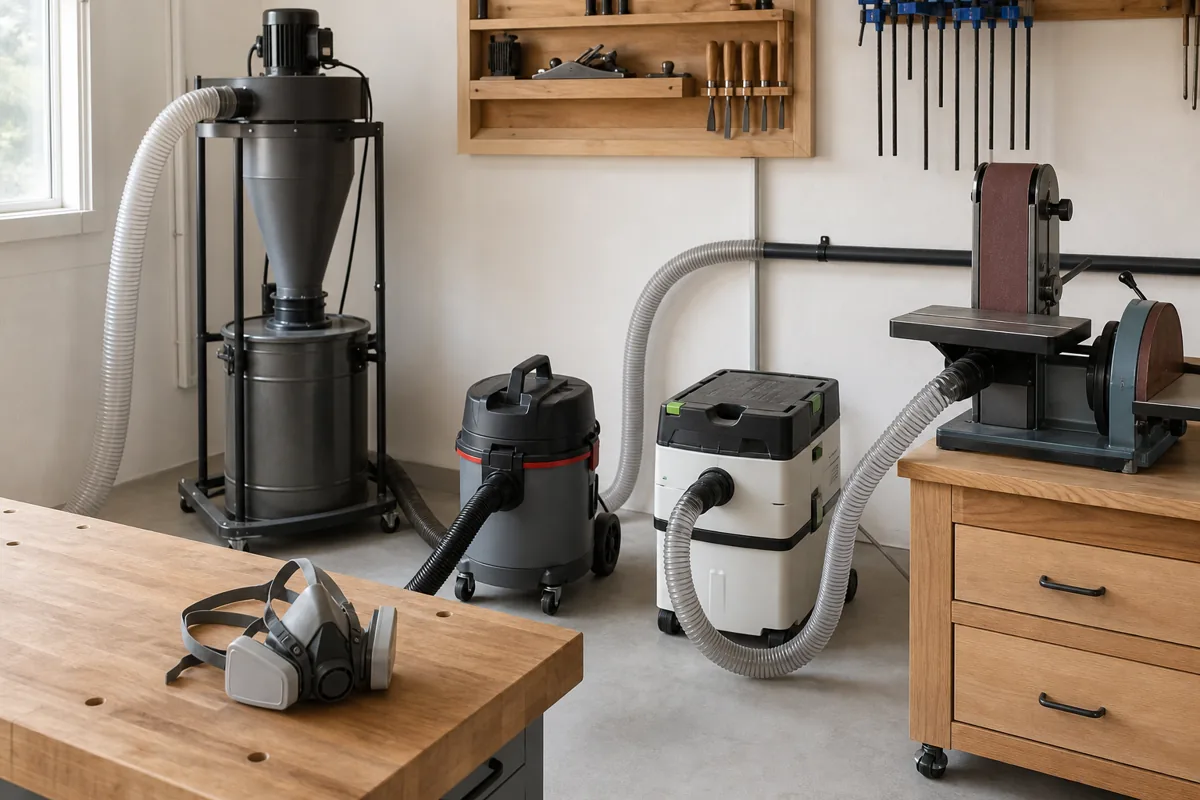
Choosing between a cordless dust extractor and a cordless shop vacuum comes down to the mess you are making, not just the battery platform you already own. Both can clean up a work area, but they are built for different jobs. A shop vacuum is usually the cheaper, higher-capacity option. A dust extractor is better at collecting fine dust directly from a saw, sander, grinder, or drill before that dust reaches your lungs and the rest of the room.
As an Amazon Associate we earn from qualifying purchases at no extra cost to you.

The basic difference
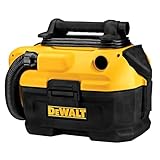
A cordless shop vacuum is a general-purpose wet/dry vacuum with a hose, tank, and disposable or washable filter. It handles chips, dirt, spilled water, and coarse debris well. Many compact models use a 1-1/4-inch hose and have tanks around 2 to 5 gallons.
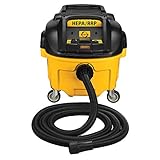
A cordless dust extractor is designed to connect to a power tool. It typically has better filtration, a smaller hose, a more effective seal at the tool port, and features such as automatic filter cleaning or tool-triggered starting. Professional dust extractors may be rated by dust class, with HEPA filtration available on some models.
The distinction is not absolute. Some compact cordless shop vacuums include HEPA filters, and some dust extractors can pick up ordinary debris. The important difference is how consistently they maintain airflow while collecting fine dust and how easily they connect to a tool.
Cordless dust extractor vs. shop vacuum
| Feature | Cordless dust extractor | Cordless shop vacuum |
|---|---|---|
| Best use | Fine dust from sanders, saws, grinders, and drills | General cleanup, chips, dirt, and occasional tool use |
| Filtration | Usually better sealed; HEPA options are common | Basic filtration, with HEPA available on some models |
| Hose | Usually 1-1/4 inches or smaller for tool ports | Often 1-1/4 to 2-1/2 inches |
| Capacity | Often smaller, roughly 0.5 to 2 gallons | Often larger, roughly 2 to 5 gallons |
| Tool activation | Common on better models | Uncommon on cordless models |
| Typical cost | Higher, especially with HEPA filtration | Lower for basic cleanup |
| Battery demand | High; strong suction can empty a large battery quickly | Moderate to high, depending on motor and hose restriction |
When a dust extractor is worth the money
Buy a cordless dust extractor if you regularly sand wood, cut sheet goods indoors, grind concrete, or drill masonry. Fine dust is where a basic vacuum disappoints. The filter loads quickly, airflow drops, and dust escapes through imperfect seals or the exhaust. A good extractor keeps the filter working longer and captures more material at the tool.
Tool-triggered starting is especially useful with a corded or cordless saw used on a bench. The vacuum starts when the tool runs and shuts off shortly afterward, so you do not have to reach for a switch while holding the workpiece. Some extractors also include a power takeoff for corded tools, but that feature is irrelevant if your entire workshop is cordless.
Look for a cleaning mechanism that shakes or pulses the filter, a sealed filter compartment, a practical hose-storage arrangement, and a hose that fits your tools without improvised tape adapters. If you work around concrete or engineered stone, prioritize the manufacturer’s dust-class and filter information rather than relying on the word “HEPA” alone.
If you need this category, compare cordless dust extractors with HEPA filtration within the battery platform you already use. A bare tool can cost less, but the required battery and charger can erase the savings.
When a cordless shop vacuum is enough
A cordless shop vacuum is the sensible choice for cleaning sawdust from a garage, sucking up drill chips, clearing a vehicle, or collecting the occasional pile of wood scraps. It is also the better choice when capacity matters more than maximum filtration. A 4-gallon tank needs fewer interruptions than a small extractor when cleaning after framing or remodeling work.
The cheaper option is fine if you mostly clean floors and benches rather than connect the vacuum to a sander for hours. It is also fine for coarse dust from a circular saw used outdoors, provided you still wear appropriate eye and respiratory protection. A shop vacuum can be a useful first purchase for someone building a cordless tool collection.
Choose a cordless wet/dry shop vacuum when you want general utility. Check whether it supports wet pickup, whether the filter must be removed for liquids, and whether replacement filters and bags are easy to find. Wet pickup is convenient, but leaving a damp filter or tank closed can produce odors and mildew.
Battery and runtime trade-offs
Vacuum motors consume battery power quickly. Expect a compact cordless vacuum to use a 5.0Ah battery in roughly 15 to 30 minutes of active running, depending on airflow, hose restriction, and the platform. A two-battery extractor may run longer or maintain more consistent suction, but it adds weight and cost.
Do not compare runtime claims without checking the test conditions. “Up to” figures often assume low-power operation, a clean filter, and no tool connected. A clogged sanding pad, full bag, kinked hose, or blocked tool port can cut effective runtime and suction dramatically.
For stationary cleanup, a larger battery may be worthwhile. For carrying the vacuum up a ladder or across a jobsite, a smaller pack keeps the unit manageable. Staying within your existing battery ecosystem usually makes more sense than buying a new platform for a vacuum alone, unless the competing vacuum has a substantial advantage in filtration or capacity.
Common failure modes
The most common mistake is using a shop vacuum with a nearly blocked filter. Fine dust fills pleats quickly, reducing suction until the tool appears ineffective. Empty the tank or change the bag before it is packed solid. With an extractor, use the filter-cleaning cycle regularly rather than waiting for airflow to collapse.
Another problem is a mismatched hose. A loose connection leaks dust; an overly narrow adapter restricts airflow. Keep the hose as short and straight as practical. Do not use a vacuum as a substitute for source control: connect it to the tool, use a shroud where appropriate, and wear a properly fitted respirator for hazardous dust.
How to choose
Pick a cordless dust extractor if fine dust collection is a routine part of your work, especially indoors or around occupied spaces. Pick a cordless shop vacuum if cleanup is occasional, debris is mostly coarse, and you want more tank capacity for less money. If you do both, the practical setup is an extractor dedicated to sanding and cutting, plus a larger shop vacuum for floors, vehicles, and wet messes.
Before buying, price the complete system: bare vacuum, battery, charger, filters, bags, hose adapters, and replacement batteries. The cheapest unit is not the cheapest solution if its filter is difficult to source or its hose will not fit your tools.
Related guides
- Longest Lasting Lawn Mower Battery: AGM vs Lithium vs Flooded Lifespan and Cost per Season
- Duralast Gold Lawn Mower Battery Review: U1 Fit, CCA and When to Pay for AGM
- Greenworks Pro 80V 21-Inch Mower Review: Runtime Math, Push vs Self-Propelled and Yard Fit
- Bosch High Pressure Washer Gun Replacement: Fittings, Adapters and What Fits Your Model