What's inside
As an Amazon Associate I earn from qualifying purchases. This post may contain affiliate links at no extra cost to you.
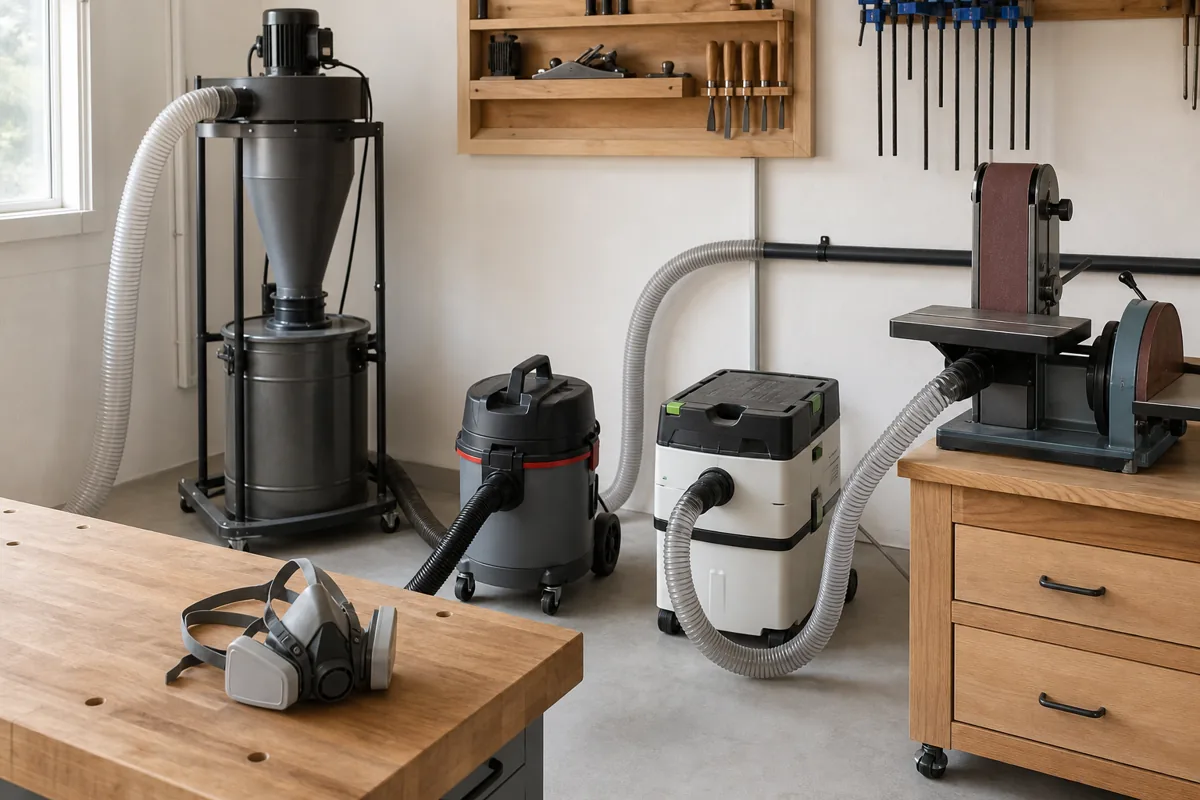
Oscillating tools and random-orbit sanders produce different kinds of dust, but both benefit from a cordless extractor. An oscillating tool throws fine debris from its blade or sanding pad; a sander produces a steady cloud of fine particles that can quickly clog a small filter. The best cordless extractor is not necessarily the one with the highest advertised suction. Hose size, filter area, battery runtime, and the tool’s dust port matter just as much.
For occasional repairs, a compact wet/dry vacuum may be enough. For cabinet work, drywall patching, or several hours of sanding, a purpose-built extractor with a proper fine-dust filter is the better choice. Start by matching the extractor to the battery platform you already own. Buying a vacuum that needs a new battery and charger can erase the price advantage of cordless operation.
As an Amazon Associate we earn from qualifying purchases at no extra cost to you.

What to look for in a cordless dust extractor
Airflow is more useful than peak suction. Suction pressure helps seal against a surface, but airflow keeps dust moving through the hose. For sanding, a useful compact extractor should deliver roughly 35 to 70 cubic feet per minute (CFM) at the hose, depending on the hose diameter and filter condition. A small handheld vacuum can collect chips, but many struggle with the sustained fine dust produced by a random-orbit sander.
Use a fine-dust filter. A washable cartridge filter is suitable for general wood dust, but look for a HEPA-rated or highly efficient filter when sanding paint, filler, drywall compound, or materials that create very fine particles. “HEPA-style” is not the same as certified HEPA. Either way, no filter protects you if the hose connection leaks or the filter is overloaded.
Check the hose and adapter. A 1-1/4-inch hose is easier to attach to compact sanders and oscillating tools. A 1-1/2-inch hose offers better airflow but can be awkward with small tool ports. Universal rubber adapters work, but they can partially cover a sander’s outlet. A poor adapter may reduce collection more than a modest difference in motor power.
Expect limited runtime. Compact extractors commonly run about 20 to 45 minutes on a 4.0Ah or 5.0Ah battery, depending on speed and filter loading. High-power models may run less than 20 minutes at full output. If you sand continuously, budget for two batteries and a charger rather than assuming one pack will last all day.
The best cordless extractor types
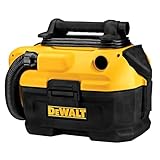
For light trimming, spot sanding, and vehicle or workshop cleanup, a cordless handheld wet/dry vacuum is the cheapest practical option. It is compact, easy to carry, and often includes a crevice nozzle and short hose. The trade-off is a small dust container and limited filter area. Fine sanding dust fills these vacuums quickly, so they need frequent emptying and filter cleaning.
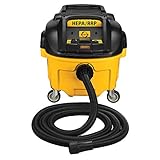
A compact canister extractor is the best general choice for sanding and oscillating-tool work. It normally has a longer hose, a larger filter, and enough capacity for a reasonable amount of work. Look for a model with variable suction or at least two power settings. Full power is useful for a sander, while a lower setting can prevent a thin sanding pad or plastic dust shroud from sticking to the workpiece.
A larger battery dust extractor is worthwhile for renovation work, drywall sanding, or multiple tools used throughout the day. These units usually offer better filtration, larger containers, and stronger airflow. They are also heavier and more expensive. If you only sand a few boards at a time, the added size is mostly an inconvenience.
For a budget setup, a cordless shop vacuum with a fine-dust filter is often enough. Choose this route when you already have compatible batteries and do not need automatic tool switching or dust-class certification. It is a sensible option for DIY woodworking, but use respiratory protection when sanding finishes, old paint, or unknown materials.
Cordless extractor comparison
| Extractor type | Best use | Typical strengths | Main limitations |
|---|---|---|---|
| Handheld wet/dry vacuum | Spot cleanup and short sanding jobs | Lowest cost, lightest, easiest to store | Small bin, short runtime, filter clogs quickly |
| Compact canister extractor | Routine sanding and oscillating-tool work | Better hose, capacity, and filtration | Costs more and may require adapters |
| Large battery dust extractor | Renovation and extended use | Strong airflow, larger filter and container | Heavy, expensive, higher battery consumption |
| Corded extractor | Long sanding sessions in one work area | Continuous runtime and often better airflow per dollar | Needs an outlet and adds a cord hazard |
Choose the battery platform carefully
If you already use one cordless system, staying on that platform is usually the right decision. The battery may cost more than the bare extractor, and adding a second charger creates unnecessary clutter. Compare the extractor’s bare-tool price, required battery size, and whether your current packs can physically fit without blocking the hose or tipping the unit.
For occasional use, an extractor sold with a smaller battery can be a good deal if the kit price is close to the bare tool. For sustained sanding, 4.0Ah to 6.0Ah packs are a more practical minimum. High-capacity batteries add weight, but a light 2.0Ah pack may run out before the dust container is full.
Some professional extractors include automatic filter cleaning or tool activation. These features are useful when sanding for hours, but they add cost, noise, and mechanical complexity. Automatic filter cleaning cannot fix a blocked tool port or an undersized hose. For weekend work, manually cleaning the filter after every session is often the better value.
How to get better dust collection
Use the sander’s dust bag or shroud only as a backup; connect the extractor directly whenever possible. Keep the hose short and avoid tight bends. A hose kink can reduce airflow enough that dust begins escaping around the sanding pad. On an oscillating tool, position the extraction opening toward the cut and make sure the accessory does not block it.
Empty the container before it is completely full. Fine dust can coat the filter long before the bin looks full, causing a noticeable drop in suction. If airflow falls after only a few minutes, stop and inspect the filter, hose, and tool adapter rather than simply switching to a larger battery.
Never use a standard dry-dust extractor for hazardous materials without checking its filtration and disposal requirements. Lead paint, silica-containing masonry products, and some treated materials require more than a consumer cordless vacuum. For general wood dust, wear eye protection and a properly fitted respirator, especially when the tool has no effective dust port.
Which setup makes sense?
Buy a handheld unit if your work consists of short repairs and cleanup. Choose a compact canister extractor for regular sanding, furniture work, and oscillating-tool use. Step up to a larger model only when runtime, filter capacity, and sustained airflow justify the extra weight. A cordless dust extractor matched to your battery system is usually the most balanced purchase.
When the job is confined to a garage and you can tolerate a cord, a corded shop vacuum with a HEPA or fine-dust filter may deliver better value. Cordless extraction wins when portability and quick setup matter; it does not automatically win on suction, runtime, or cost.
FAQ
Which setup makes sense?
Related guides
- Longest Lasting Lawn Mower Battery: AGM vs Lithium vs Flooded Lifespan and Cost per Season
- Duralast Gold Lawn Mower Battery Review: U1 Fit, CCA and When to Pay for AGM
- Greenworks Pro 80V 21-Inch Mower Review: Runtime Math, Push vs Self-Propelled and Yard Fit
- Bosch High Pressure Washer Gun Replacement: Fittings, Adapters and What Fits Your Model