
Our Top Picks
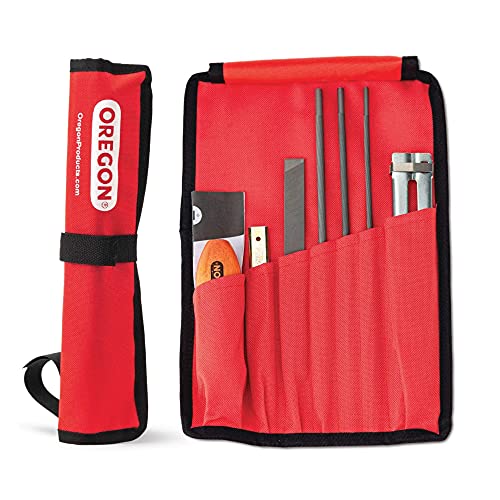 Oregon Universal Chainsaw Field 7 PIece Sharpening Kit7 Piece Set2 x 10.8 x 2 Inches0.8 poundsCheck on Amazon

What's inside
- Top Picks at a Glance
- Comparison Table
- Safety First: Power Off, Every Time
- How to Sharpen a Hedge Trimmer
- How to Clean Sap and Resin off Hedge Trimmer Blades
- 1. Hedge-Pro Blade Cleaner and Lubricant: Best for Cleaning and Lubricating
- 2. DEWALT Hedge Trimmer Oil: Best Budget Blade Lubricant
- 3. Sharp Pebble Hedge Trimmer Sharpener Kit: Best Guided Sharpener
- 4. Stihl Resin Solvent: Best for Pitch on Blades and Chains
- Chainsaw Care: Why Chain Not Spinning, Brake and Clutch Problems
- How to Fix a Chainsaw That Cuts Crooked or Curved
- 5. Oregon Universal Chainsaw Field 7 Piece Sharpening Kit: Best Hand-Filing Kit
- 6. Oregon Chainsaw Chain Depth Gauge Tool with Flat File: Best for Rakers
- Leaf Blower Spark Arrestor Screen: How to Clean It
- 7. Rockheel Stub Spark Arrestor: Best Replacement for Listed Stihl Blowers
- Gas vs Battery Hedge Trimmers (Including Pole Models)
- Also Consider
- Best Wire Saws: What They Are Good For
- How We Chose
- Buying Guide
- Common Mistakes
- Frequently Asked Questions
- Which One Should You Buy?
- Sources
As an Amazon Associate I earn from qualifying purchases. This post may contain affiliate links at no extra cost to you.
The short answer for hedge trimmer and chainsaw care is to remove the power first, clean off sap and grit, sharpen with the right file at the maker’s angle, and lubricate afterwards. For hedge trimmers, a cleaner-lubricant such as Hedge-Pro and a flat file or guided sharpener keep blades cutting; for chainsaws, a file kit such as the Oregon 7 piece field kit and a depth gauge tool fix most crooked-cut complaints; and for leaf blowers on gas power, a clean spark arrestor screen keeps exhaust flowing. This guide answers the questions owners ask most: how to sharpen a hedge trimmer, how to clean sap and resin off blades, why a chainsaw chain will not spin, why it cuts crooked, how to clean a spark arrestor screen on a leaf blower, whether gas or battery is better, and what a wire saw is actually good for.
This is a research-based guide. We did not personally use these products. We rely on manufacturer instructions from STIHL and Husqvarna, on listing details, and on independent how-to pages. Where a spec is not stated in a listing, we write “not listed”. None of this replaces your operator’s manual, and nothing here should be read as a guarantee that a repair is safe: always disconnect power before you touch a blade, a chain or an exhaust part.
As an Amazon Associate we earn from qualifying purchases at no extra cost to you.


Top Picks at a Glance
- Best for cleaning and lubricating hedge blades: Hedge-Pro Blade Cleaner and Lubricant
- Best budget blade oil: DEWALT Hedge Trimmer Oil (biodegradable blade lubricant)
- Best guided hedge blade sharpener: Sharp Pebble Cordless Hedge Trimmer Sharpener Kit (4 preset angles, 30 to 45 degrees)
- Best for dissolving resin: Stihl Resin Solvent for hedge trimmer blades and chainsaws
- Best chainsaw field sharpening kit: Oregon Universal Chainsaw Field 7 Piece Sharpening Kit
- Best for depth gauges (rakers): Oregon Chainsaw Chain Depth Gauge Tool with Flat File
- Best leaf blower spark arrestor for Stihl blowers: Rockheel Stub Spark Arrestor (listed for BG55, BG56, BG85, BG86, SH55, SH56, SH85, SH86 and BR200)
Comparison Table
| Product | Best for | Key specs | Watch for | Price tier |
|---|---|---|---|---|
| Hedge-Pro Blade Cleaner and Lubricant | Cleaning sap and lubricating hedge blades | Cleaner plus lubricant in one product | Follow label for use on your blade type | Budget |
| DEWALT Hedge Trimmer Oil | Routine blade lubrication | Biodegradable, rust and corrosion protection | Lubricant, not a resin remover | Budget |
| Sharp Pebble hedge sharpener kit | Sharpening without disassembly | 4 preset angles, 30 to 45 degrees | Check blade angle in your manual | Mid-range |
| Stihl Resin Solvent | Heavy sap and pitch on blades and chains | For hedge trimmer blades and chainsaws | Use as directed on the label | Budget |
| Oregon 7 piece field kit | Hand sharpening chainsaw chains | 5/32, 3/16 and 7/32 inch round files, flat file, handle | Pick the file size that matches your chain | Budget |
| Oregon depth gauge tool | Setting raker height | Depth gauge tool with flat file | Must match chain pitch | Budget |
| Rockheel stub spark arrestor | Gas leaf blowers (Stihl models listed) | Pack of 2 listed; fits BG55, BG56, BG85, BG86, SH55, SH56, SH85, SH86, BR200 | Not a universal part | Budget |
Safety First: Power Off, Every Time
Disconnect before you start. For battery tools remove the battery pack. For corded tools unplug. For gas tools stop the engine, let it cool and disconnect the spark plug boot. Wear cut-resistant gloves and eye protection. Hedge trimmer blades and chainsaw chains are sharp even when they are dull, and the motion of a blade turned by hand can still cut you. If you are unsure about any step, a repair shop or the manufacturer’s service guide is the safer choice, and chainsaw brake and clutch work in particular is worth leaving to a dealer if the manual does not cover it.
How to Sharpen a Hedge Trimmer
To sharpen hedge trimmer blades, you clean the blade, clamp the trimmer so it cannot move, file each tooth with a flat file at the angle recommended by the maker, always in the same direction, and finish with oil. Both STIHL and Husqvarna describe a flat file as the basic tool and recommend following the original angle of the tooth. Husqvarna notes a typical range of 30 to 45 degrees, file in one direction only, use the same number of strokes on each tooth, and avoid overheating the blade with power tools. STIHL suggests sharpening after roughly every 50 hours of use and notes that filing removes corrosion protection, so lubricate afterwards.
- Disconnect power and clean. Remove sap and debris with a cleaner such as Stihl Resin Solvent or Hedge-Pro.
- Secure the trimmer. Clamp it in a vice or on a bench so the blade is steady.
- Find the original angle. Look at the existing bevel and match it. Your manual’s Technical Data section lists the angle for some models.
- File each tooth in one direction. Use the same count of strokes on every tooth so the edge stays even.
- Do not file the inside edges or change the blade geometry.
- Lubricate. Wipe on blade oil or a cleaner-lubricant.
- Check for damage. Bent, chipped or badly worn blades should be replaced, not sharpened.
How to sharpen hedge trimmer blades without disassembly
Most owners sharpen on the machine. Hedge trimmer blades are usually left in place, with the trimmer clamped and powered off, and you work along the exposed cutting edge with a file or a guided sharpener. A guided kit such as the Sharp Pebble cordless hedge trimmer sharpener offers four preset angles from 30 to 45 degrees in its listing, which helps if you are not confident holding a file at a steady angle. Only use a powered sharpener if the maker allows it, because heat can soften the blade. Some blades are stamped with a specific angle; if your manual says “not for sharpening”, follow it.
How to Clean Sap and Resin off Hedge Trimmer Blades
To clean sap and resin off hedge trimmer blades, spray or wipe a resin solvent on the blade, let it soak for the time the label states, wipe the gum away with a rag or brush, then oil the blade. Resin builds up when you cut conifers, privet or laurel, and a sticky blade makes the motor work harder and cuts less cleanly.
- Stihl Resin Solvent is listed for hedge trimmer blades and chainsaws and is the pick for heavy buildup.
- Hedge-Pro Blade Cleaner and Lubricant combines cleaning and lubrication, which makes it a quick after-job spray.
- Avoid soaking motors, switches or batteries. Apply to the blades only.
- Wear gloves and work outdoors or in a ventilated space. Read the product label for any warnings, and keep the product away from children and pets.
1. Hedge-Pro Blade Cleaner and Lubricant: Best for Cleaning and Lubricating
- Cleaner and lubricant in one
- Made for hedge trimmer blades
- Pairs with a filing session to restore corrosion protection
- Pack size and ingredients: check the label (not listed in full)
Best for: after-job cleaning. Skip if: you need to dissolve thick, aged resin; use a dedicated solvent first.
A blade that is clean and wet with lubricant slides through twigs rather than tearing them. The job takes a minute: spray the blades, run the trimmer briefly with the power on only if the maker’s manual allows, and wipe off drips. Because resin is the usual enemy, a product that handles both cleaning and lubricating covers the two most frequent maintenance needs on a hedge trimmer.
Pros: one product for two jobs; quick; fits any hedge blade. Cons: not a heavy-duty solvent; follow the label for use.
2. DEWALT Hedge Trimmer Oil: Best Budget Blade Lubricant
- Biodegradable, high-speed blade lubricant
- Rust and corrosion protection
- Marketed for commercial and home hedge trimmers
Best for: routine lubrication between jobs. Skip if: your blades are caked in resin; clean first.
Lubrication reduces friction between the two reciprocating blades, so the motor or engine does less work. For battery hedge trimmers, less friction can mean less battery drain per cut, though we have no verified runtime numbers to quote. Lubricate before and after every job, and before storage, as a rust barrier.
Pros: inexpensive; biodegradable per the listing; protects against rust. Cons: does not clean; you need a solvent for resin.
3. Sharp Pebble Hedge Trimmer Sharpener Kit: Best Guided Sharpener
- Cordless hedge trimmer sharpener kit
- 4 preset angles from 30 to 45 degrees
- Designed to sharpen blades without taking them off the trimmer
Best for: owners who want a repeatable angle. Skip if: your blade angle is outside 30 to 45 degrees or your maker advises against powered sharpening.
The main advantage of a guided tool is consistency: the angle stays constant from tooth to tooth. A hand file achieves the same result with practice, but a guide helps beginners. Check your manual for the blade angle before choosing a preset, and avoid prolonged contact on one tooth because heat can ruin the temper of the steel, as Husqvarna’s guidance on overheating notes.
Pros: repeatable angles; on-trimmer use. Cons: mid-range cost; powered use means heat risk if you linger.
4. Stihl Resin Solvent: Best for Pitch on Blades and Chains
- Listed for hedge trimmer blades and chainsaws
- Breaks down sap and pitch
- Pack size: check the listing
Best for: heavy gum on blades and chain bars. Skip if: you only need to lubricate.
Because it covers both blades and chains, it is a good single purchase if you own a hedge trimmer and a chainsaw. Apply as the label directs, wipe, then lubricate. On a chain, clean before sharpening so the file bites the steel and not the sap.
Pros: dual use; strong on pitch. Cons: follow label cautions; single-purpose.
Chainsaw Care: Why Chain Not Spinning, Brake and Clutch Problems
If a chainsaw chain will not spin while the engine runs, the first check is the chain brake: if the front hand guard is pushed forward toward the bar, the brake is engaged, and you pull it back toward the rear handle to release it. Husqvarna’s self-service guidance and other how-to sources list the other common causes: incorrect chain tension, debris packed around the drive, and a worn or glazed clutch. Do not rev the engine against an engaged brake, because friction can overheat the clutch parts.
- Stop the engine and check the brake. Release it by pulling the guard back.
- Check chain tension. Too tight and it binds; too loose and it can slip. Follow the manual.
- Remove the side cover and look. Clear sawdust and chips from the sprocket area and clutch cover.
- Inspect the clutch. Glazed or worn clutch shoes may spin without gripping and usually need replacement.
- Call a dealer if parts are damaged. Brake and clutch repair affects safety, so replace parts only if the manual describes it.
This answers “chainsaw chain won’t spin, clutch or brake stuck”. If the engine itself will not run, that is a fuel or ignition problem, not a chain problem. For clutch cover and brake assemblies, the store lists replacement parts for specific Husqvarna models such as the 435, 440, 445, 450, 455 and 460, but we cannot confirm fit for your saw: match the part number in your manual.
How to Fix a Chainsaw That Cuts Crooked or Curved
A chainsaw that cuts crooked is most often pulling toward the sharper side of the chain, so the usual fix is to sharpen all the cutters to the same length and angle. Independent guides list the other causes as uneven filing, depth gauges (rakers) filed lower on one side, a worn or bent guide bar, and a loose chain. A rock or dirt strike can also dull one side of the chain.
- Look at the chain. Compare the cutters on the left and right; are some shorter or more rounded?
- Sharpen evenly. Use the same number of strokes at the same angle on each cutter. Many kits include a file guide.
- Check the depth gauges. Rakers set too low on one side make a chain grab. A depth gauge tool lets you check them.
- Check the bar. A worn rail or bent bar can twist the cut. A bar measuring tool and a rail dresser can help, but replace a bar that is badly worn.
- Set tension. A sagging chain wanders; follow the manual.
5. Oregon Universal Chainsaw Field 7 Piece Sharpening Kit: Best Hand-Filing Kit
- 5/32, 3/16 and 7/32 inch round files
- Flat file, handle and filing guide
- 7 pieces in the kit
Best for: sharpening in the field or at the bench. Skip if: you need a different file size than those listed.
File size must match your chain. Check your chain’s pitch and the file size in the manual or on the chain package. A guide that holds the file at the correct angle makes it easier to keep each cutter the same, which is the most common reason for a crooked cut. Sharpen after every few tanks or when chips turn to dust and the saw needs pressure to cut.
Pros: three file sizes; includes the flat file and handle; budget price. Cons: hand filing takes practice; not a depth gauge tool.
6. Oregon Chainsaw Chain Depth Gauge Tool with Flat File: Best for Rakers
- Depth gauge tool plus flat file
- Used to check and lower rakers as cutters wear
- Match to your chain pitch (check the packaging)
Best for: chains that feel grabby or will not bite after sharpening. Skip if: you only need to touch up the cutters.
Depth gauges control how deep each cutter can bite. After several sharpenings the cutters shorten and the gauges need to follow. A tool that sets the exact gap saves guessing. File the gauges only with the recommended tool, and avoid taking too much off.
Pros: cheap; accuracy aid; flat file included. Cons: one more tool to learn; check pitch compatibility.
Leaf Blower Spark Arrestor Screen: How to Clean It
To clean a spark arrestor screen on a gas leaf blower, let the engine cool completely, remove the muffler screen or stub as the manual shows, brush off carbon with a wire brush, and replace the screen if it is clogged, torn or corroded. The screen sits in the exhaust path to stop sparks leaving the muffler, and a blocked one can cause a loss of power or hard starting. Do not run a blower with the screen removed.
- Stop the engine and wait for the muffler to cool fully.
- Remove the screws or clips that hold the spark arrestor cover, per the manual.
- Pull the screen and brush off carbon with a wire brush. Avoid damaging the mesh.
- Replace the screen if holes are visible.
- Refit and check for secure mounting.
7. Rockheel Stub Spark Arrestor: Best Replacement for Listed Stihl Blowers
- Stub spark arrestor
- Listed for Stihl SH55, SH56, SH85, SH86, BG55, BG56, BG85, BG86, BG86C and BR200
- Available in packs of 1, 2 or 3
Best for: owners of the listed Stihl blowers. Skip if: your blower is a different brand; spark arrestor parts are model-specific.
If cleaning does not restore airflow, replace the screen. This part is not universal: the Stihl-listed version is for the model numbers above, while Echo and Shindaiwa blowers use different screens. Match the part number in your manual.
Pros: cheap to replace; multi-pack options. Cons: model-specific; clean first before replacing.
Gas vs Battery Hedge Trimmers (Including Pole Models)
Battery hedge trimmers are easier to start, quieter and need no fuel, while gas models give longer unlimited runtime and heavier-duty cutting at the cost of fuel, noise and maintenance. For the gas versus battery pole hedge trimmer question, the choice follows the same logic, with an added factor: a pole tool is held at length, so weight matters.
| Factor | Battery | Gas |
|---|---|---|
| Start-up | Press the trigger | Pull cord or primer; fuel mix needed for 2-cycle models |
| Noise | Quieter | Louder; hearing protection recommended |
| Runtime | Limited by battery; spare packs help | Refuel and keep going |
| Maintenance | Blade care and battery storage | Blade care plus fuel, plugs, air filter |
| Best for | Small to medium hedges | Long or thick hedges and commercial use |
Examples in the store include the BLACK+DECKER 20V MAX cordless hedge trimmer with a 22 inch steel blade, a good fit for small yards, and the Husqvarna 122LKH gas hedge trimmer with a 21 inch cutting length for larger jobs. For “hedge trimmers best rated”, we cannot quote star ratings, so we suggest you compare blade length, blade gap and weight in the listing, and read independent reviews. Whichever you choose, the care routine in this guide is identical: clean, sharpen, lubricate.
Also Consider
- Stihl 2 in 1 Easy File chainsaw chain sharpener: a file-and-guide combination for a specific chain size; match the 3/8 inch or .325 inch version to your chain.
- Husqvarna chainsaw file kit for 3/8 inch pitch H chains: a kit with handle, guide, and flat and round files for that pitch.
- Oregon 556418 bar and chain measuring tool: helps you identify chain pitch and gauge so you buy the right chain or file.
- Wire saws such as the Spyral 20 inch survival saw or the Gardenite high limb rope saw: see below.
Best Wire Saws: What They Are Good For
A wire saw is a flexible serrated cable with handles, useful as an emergency or backpacking tool for small branches, not a replacement for a chainsaw or pole saw. Listings in the store include the Spyral 20 inch survival saw with a 360 degree tooth design and a spare blade, and the Gardenite high limb rope saw, listed at 25.6 inches with 11 teeth, intended for cutting overhead limbs with a throwing rope. Cheaper multi-packs of stainless cable saws are also listed, mostly sold for PVC pipe or camping.
If you are searching for the best wire saws, choose by use: a rugged cable with replaceable blades for a survival kit; a rope saw for overhead limbs from the ground; a cheap cable pack for pipes or emergencies. Wire saws bind, snap and can whip back, so wear gloves and eye protection, keep clear of the line of the cable, and never use one on a limb that could fall on you. For anything larger than a small branch, use a proper pole saw or chainsaw and follow their safety guidance.
How We Chose
This guide is research-based. We pulled manufacturer guidance from STIHL and Husqvarna for blade sharpening and chain behavior, reviewed independent how-to articles on crooked cuts and chain brake and clutch problems, and cross-checked each product’s listing details in the store. We did not personally use these products. Where a listing leaves a detail out, such as pack size or ingredients, we say “not listed”. We do not quote prices, only relative tiers.
Buying Guide
Blade care products: clean, then lubricate
Pick one cleaner and one lubricant, or a combined product. For heavy resin, use a dedicated solvent first; for routine care, oil is enough. Store the can with the trimmer so you use it every time.
Files and guides: match chain pitch and file size
Chainsaw files come in specific diameters such as 5/32, 3/16 and 7/32 inch, and the right one depends on your chain. If you do not know, check the chain’s package or use a measuring tool. A wrong-size file will not sharpen correctly and can ruin the cutter profile.
Sharpening angle and frequency
For hedge blades, STIHL suggests about every 50 hours of use and Husqvarna suggests keeping the original angle, typically 30 to 45 degrees. For chains, sharpen when the saw produces fine dust instead of chips, or when it pulls to one side.
Replace when damaged
Chipped hedge blades, bent bars and worn clutch parts are replacement items, not sharpening items. If a repair is outside your comfort zone, a dealer is a sound choice.
Spark arrestor parts are model-specific
Match the part number to your blower. A universal screen does not exist, and operating a blower without a proper arrestor is a fire risk in dry conditions, so follow your local rules and the manual.
Common Mistakes
- Sharpening without disconnecting power.
- Filing at random angles, which dulls rather than sharpens.
- Skipping lubrication after filing.
- Revving a chainsaw with the chain brake engaged.
- Filing one side of the chain more than the other.
- Running a gas blower without its spark arrestor.
- Using a wire saw on large or overhead limbs that could fall.
Frequently Asked Questions
How often should I sharpen hedge trimmer blades?
STIHL suggests about every 50 hours of use, and sooner if the blades chew rather than cut. Check your manual, since the interval varies by tool and use.
How do I clean sap and resin off hedge trimmer blades?
Use a resin solvent such as Stihl Resin Solvent or a cleaner-lubricant such as Hedge-Pro, let it soak per the label, wipe off the gum, and oil the blades. Disconnect power first.
Why will my chainsaw chain not spin?
The chain brake is the first thing to check: pull the front hand guard back to release it. Other causes include wrong chain tension, debris around the drive and a worn clutch. If it still will not turn, have a dealer inspect it.
Why does my chainsaw cut crooked?
The chain is usually duller or shorter on one side, or the depth gauges are uneven. A worn or bent bar and a loose chain can also cause it. Sharpen all cutters evenly and check the bar.
How do I clean the spark arrestor screen on a leaf blower?
Let the muffler cool, remove the screen as the manual shows, brush off carbon with a wire brush, and replace the screen if it is clogged or damaged. Never run the blower without it.
Are gas or battery hedge trimmers better?
Battery trimmers are quieter and easier to start and suit small to medium hedges. Gas trimmers suit long or thick hedges and heavy use. Choose by hedge size and how much maintenance you want.
Can I sharpen hedge trimmer blades without taking them off?
Yes, most people do. Clamp the trimmer, keep the power disconnected, and file or guide along each tooth at the original angle. Do not overheat the blade.
Are wire saws a good substitute for a chainsaw?
No. They are for small branches and emergencies. For larger cuts use a pole saw or chainsaw and follow their safety instructions.
Which One Should You Buy?
If you only buy one item for hedge trimmer care, a cleaner-lubricant such as Hedge-Pro covers the most common need; add a resin solvent like Stihl Resin Solvent if you cut conifers. If you own a chainsaw, the Oregon 7 piece field kit and the depth gauge tool cover sharpening and rakers for a modest cost. If you run a gas blower, keep a replacement spark arrestor that matches your model. And before any of it, read your manual, disconnect the power and wear eye and hand protection.
Sources
- STIHL USA, how to sharpen a hedge trimmer guide
- Husqvarna support, sharpening a hedge trimmer blade
- Husqvarna support, chainsaw running but chain not moving
- Powered Outdoors, chain not moving troubleshooting
- Independent chainsaw maintenance guides on crooked cutting
- Oregon and Stihl product pages for files and depth gauge tools
Last updated: October 2026
Related guides
More from Amazon
Programs that pair well with the guide above. Offers and eligibility are set by Amazon and may change.
A free business account with business pricing and bulk-buying tools for work, shop or home office.
Create a business accountFree shipping on eligible items, Prime Video and more. Eligible new members can start with a free trial.
Start a Prime free trialAudiobooks and podcasts to listen to on the go. Eligible new members can start with a free trial.
Try Audible freeAd-free music streaming. Eligible new subscribers can start with a free trial.
Try Music Unlimited freeAs an Amazon Associate we earn from qualifying purchases.


Write Your Review
No reviews yet. Be the first to share your experience!