
Our Top Picks


What's inside
- Top Picks at a Glance
- Comparison Table
- 1. Greenworks 40V 8-Inch Cordless Pole Saw: Best Overhead Pruning
- 2. BLACK+DECKER 20V MAX Cordless 22-Inch Hedge Trimmer: Best Hedge Trimmer
- 3. Oregon CS1500 Self-Sharpening Electric Chain Saw: Best Corded Chain Saw
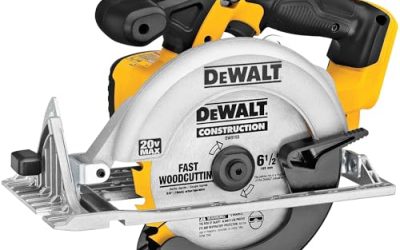
- 4. DEWALT 20V MAX Cordless Circular Saw (DCS391B): Best Circular Saw
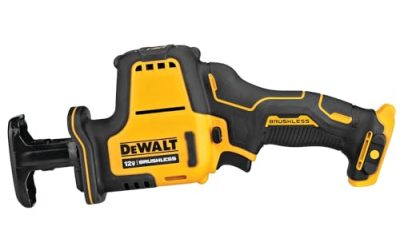
- 5. DEWALT 20V MAX Cordless Reciprocating Saw (DCS380B): Best Demolition and Pruning Saw
- 6. Metabo HPT 10-Inch Compound Miter Saw (C10FCG2): Best Miter Saw for Trim
- 7. Fiskars 32-Inch PowerGear2 Bypass Loppers: Best Manual Option
- Also Consider
- How We Chose
- Buying Guide
- Quick Decision Matrix
- Building a Small Kit Step by Step
- Common Mistakes
- Frequently Asked Questions
- Which One Should You Buy?
- Sources
As an Amazon Associate I earn from qualifying purchases. This post may contain affiliate links at no extra cost to you.
The best saw or trimmer depends on the cut, and the clearest all-round start in our research is the DEWALT 20V MAX circular saw for straight lumber cuts and the Greenworks 40V 8-inch pole saw for overhead branches, with the BLACK+DECKER 22-inch cordless hedge trimmer as the pick for shrubs. This guide covers best saws, hedge trimmers and pole saws in one place by matching seven tools to seven jobs: a pole saw, a hedge trimmer, a chain saw, a circular saw, a reciprocating saw, a miter saw and a pair of loppers.
People search these tools with very different goals. Some want best options for pole saws or pole hedge trimmers for a yard, some want a compound saw for trim work, and some ask about cross cut, panel, picture frame or older Delta saws. The store results behind this guide include the main yard and shop tools, and we are open about gaps: we did not find a panel saw, a picture-frame miter box or Delta or Stihl and Husqvarna models, so we do not recommend those here. We did not personally use these products; this guide is research-based and general safety only. Check each tool’s manual for limits.
As an Amazon Associate we earn from qualifying purchases at no extra cost to you.


Top Picks at a Glance
- Best Overhead Pruning: Greenworks 40V 8-inch cordless pole saw
- Best Hedge Trimmer: BLACK+DECKER 20V MAX cordless 22-inch hedge trimmer
- Best Corded Chain Saw for Occasional Use: Oregon CS1500 self-sharpening electric chain saw
- Best Circular Saw (Cordless): DEWALT 20V MAX circular saw, tool only
- Best Demolition and Pruning Saw: DEWALT 20V MAX reciprocating saw, 3,000 strokes per minute
- Best Miter Saw for Trim: Metabo HPT 10-inch 15-amp compound miter saw
- Best Manual Option: Fiskars 32-inch PowerGear2 bypass loppers
Comparison Table
| Product | Best for | Key specs | Watch for | Price tier |
|---|---|---|---|---|
| Greenworks 40V 8 in Pole Saw | High branches from the ground | 8 in bar, 40V battery, 2.0 Ah battery and charger included | Battery size limits long jobs | Mid-range |
| BLACK+DECKER 20V MAX Hedge Trimmer | Shrubs and hedges | 22 in steel blade, 20V MAX, battery and charger included | Not for thick branches | Budget |
| Oregon CS1500 Chain Saw | Firewood, small felling jobs | 15 amp corded, self-sharpening system | Needs an outlet or extension cord | Mid-range |
| DEWALT 20V MAX Circular Saw | Plywood and framing cuts | 20V MAX, tool only (battery not included) | Battery and charger are extra | Mid-range |
| DEWALT 20V MAX Reciprocating Saw | Demolition, rough cuts | 3,000 strokes per minute, variable speed, tool only | Rougher cuts | Mid-range |
| Metabo HPT 10 in Miter Saw | Trim, framing, angled cuts | 15 amp, 10 in, single bevel, 24T blade included | Not portable like a hand saw | Mid-range |
| Fiskars 32 in PowerGear2 Loppers | Branches up to 2 in | 32 in handles, 2 in cut capacity, bypass | Manual effort | Budget |
1. Greenworks 40V 8-Inch Cordless Pole Saw: Best Overhead Pruning
- Bar: 8 inch electric pole saw
- Power: 40V battery system; 2.0 Ah battery and charger included
- Type: cordless, for pruning from the ground
- Reach and weight: not listed in the result we reviewed
Best for: trimming branches above head height without a ladder, from the ground.
Skip if: you cut thick limbs, which need a full-size chain saw or a professional.
A pole saw puts a small chain saw head on an extension pole. The point is to keep your feet on the ground and your body out from under the branch. Cordless models avoid fuel and cords; the trade-off is runtime and cutting power compared with a gas pole saw.
An 8 inch bar is a typical size for branch work. It will not fell trees, and you should not try. Keep the cut area clear, stay out of the drop zone, wear a hard hat, eye and hearing protection, and never use a pole saw near power lines.
A 2.0 Ah battery is on the smaller side, so plan short sessions or consider a second battery. Check the maker for reach and weight, which we could not confirm from the listing.
Pros
- Cordless freedom
- Battery and charger included
- Reaches high branches
Cons
- Small battery limits long runs
- Not for large limbs
2. BLACK+DECKER 20V MAX Cordless 22-Inch Hedge Trimmer: Best Hedge Trimmer
- Blade: 22 inch steel blade
- Power: 20V MAX lithium battery, battery and charger included
- Weight: described as lightweight in the listing
- Tooth spacing and runtime: not listed in the result we reviewed
Best for: home hedges and shrubs where a cordless tool is easier than dragging a cord.
Skip if: you have overgrown hedges with thick woody stems.
A hedge trimmer is built to cut thin, leafy growth. A 22 inch blade covers a lot of hedge per pass, but most trimmers of this class are meant for stems that are not thicker than a pencil or a finger, so check the maker’s stated cutting capacity before you start. Thicker stems call for loppers or a pruning saw.
Cordless lithium trimmers spare you the extension cord, and they are quieter than gas versions. If you want a pole hedge trimmer for tall hedges, look at the pole combo in our also-consider list.
Always keep both hands on the handles, keep the blade away from your body and cords, and switch off before clearing a jam.
Pros
- No cord
- Long blade for fast work
- Budget friendly
Cons
- Not for thick stems
- Runtime depends on battery
3. Oregon CS1500 Self-Sharpening Electric Chain Saw: Best Corded Chain Saw
- Power: 15 amp corded electric
- Feature: integrated PowerSharp self-sharpening system (listing)
- Kickback: marketed as low kickback
- Bar length: not listed in the result we reviewed
Best for: occasional firewood cutting and tree cleanup near an outlet.
Skip if: you work far from power or need to cut large trees.
Corded saws avoid fuel and starting problems. The self-sharpening feature is a convenience for people who do not want to learn hand sharpening, though the sharpening system uses replaceable parts you will need to buy.
Low kickback is a design goal, not a guarantee. Chain saws are dangerous tools; read the manual, wear chaps, eye, ear and head protection, and never cut above shoulder height with a chain saw.
If you want a battery chain saw, there are many in the store, but this corded saw is the clearer fit for light home use.
Pros
- No fuel
- Self-sharpening system
- Simple starting
Cons
- Cord limits where you can work
- Bar size not confirmed
4. DEWALT 20V MAX Cordless Circular Saw (DCS391B): Best Circular Saw
- Power: 20V MAX battery system, tool only
- Blade: 7-1/4 inch circular saw (listing)
- Battery and charger: sold separately
- Cut depth and bevel: check maker page, not listed here
Best for: straight cuts in plywood, framing and decking on a job site.
Skip if: you need to buy a battery and charger for the first time.
The 7-1/4 inch circular saw is the most common saw for cutting sheet goods and dimensional lumber. Cordless versions are handy outdoors and on ladders, where a cord gets in the way.
A bare tool is a good deal if you already own DEWALT 20V MAX batteries. If you don’t, the battery kit is another cost, so compare kit and tool-only options.
Use the right blade tooth count: fewer teeth for fast rough cuts, more teeth for smoother plywood cuts. Clamp the work, keep the cord or battery clear, and let the blade stop before setting the saw down.
Pros
- Well known 20V MAX platform
- Handy for job sites
- Common blade size
Cons
- Battery not included
- Less runtime than corded for heavy rips
5. DEWALT 20V MAX Cordless Reciprocating Saw (DCS380B): Best Demolition and Pruning Saw
- Speed: 3,000 strokes per minute, variable speed trigger
- Power: 20V MAX, tool only
- Use: demolition, pipe, pruning and rough cuts with the right blade
- Stroke length and weight: not listed here
Best for: cutting through nails, studs, pipe and branches where a clean finish does not matter.
Skip if: you need a precise, smooth cut.
Reciprocating saws push and pull a blade quickly and can cut many materials by changing blades. Wood blades, metal blades and pruning blades are not interchangeable in purpose, so match the blade to the job.
Pruning blades with large teeth make a reciprocating saw useful for small limbs and shrubs, though it should not replace a proper pole saw for overhead work.
Grip the saw with both hands, brace the shoe against the work, and avoid cutting into hidden wires or pipes. Check the manual for correct blade installation.
Pros
- Cuts many materials
- Variable speed
- Fits the 20V MAX system
Cons
- Rough cut quality
- Battery sold separately
6. Metabo HPT 10-Inch Compound Miter Saw (C10FCG2): Best Miter Saw for Trim
- Power: 15 amp
- Blade: 10 inch, 24-tooth carbide tipped blade included
- Bevel: single bevel
- Capacity and weight: not listed here
Best for: cutting trim, baseboards, framing and picture frames at accurate angles.
Skip if: you need to cut large crown or wide boards that exceed the saw capacity.
A miter saw swings a blade down onto a board at a set angle. For picture frame work, it is more accurate than a hand miter box, although a hand miter box is still a low cost way to cut small molding. The store did not return a hand miter box we could name.
A 24-tooth blade cuts quickly and roughly. For trim you will want a finer blade with more teeth, so budget for a second blade.
Always clamp the work, keep hands away from the blade path, and check the manual for the saw’s cutting capacity before you buy trim stock.
Pros
- Accurate angle cuts
- Carbide blade included
- Good value tier
Cons
- Needs a stable bench
- Rough stock blade
7. Fiskars 32-Inch PowerGear2 Bypass Loppers: Best Manual Option
- Handle length: 32 inch
- Cut capacity: 2 inch
- Type: bypass loppers with a gear mechanism (PowerGear2)
- Material and weight: not listed here
Best for: cutting live branches up to 2 inches without a battery or cord.
Skip if: you cut dead, dry wood often, as anvil loppers can suit that better.
Bypass loppers cut like scissors and are the usual choice for live green wood because they make a cleaner cut. The 2 inch capacity is the maker’s stated maximum; cutting thinner branches is easier and better for the tool.
Professional loppers in 1.5 inch classes exist too. For most yards a 2 inch bypass lopper handles typical pruning without a motor.
Manual tools demand effort but are safer in the sense of having no motor. Use gloves and eye protection, and avoid twisting the blade in the cut.
Pros
- No power needed
- Clean cuts on live wood
- Budget friendly
Cons
- Takes arm effort
- Limited to 2 inch branches
Also Consider
CRAFTSMAN V20 Cordless Pole Saw, 14-Foot
A 20V pole saw with a long reach, battery and charger included, and a cuts-per-charge figure cited by the maker. Check the exact numbers on the product page.
SEESII 6-in-1 Cordless Pole Saw and Hedge Trimmer Combo
A combo that pairs a pole saw with a hedge trimmer head on one pole. It is useful if you want a pole hedge trimmer for tall shrubs, but it is a compromise tool, so check weight.
Skil 15 Amp 7-1/4 Inch Circular Saw
A corded circular saw with a laser guide. It is a lower-cost route if you do not want to buy batteries.
Corona Tools X Series Pro Bypass Lopper
A heavy duty bypass lopper with a 2-1/4 inch cut capacity, for people who prune thicker branches often.
How We Chose
We searched the product store for current yard and shop saws, trimmers and loppers, picked one clear representative per job, and read manufacturer details and independent buying advice. We did not personally use these tools, and this guide is research-based. Exact prices and cutting capacities change, so we use tier words and flag any spec not listed.
Some search phrases named brands or tool types that we did not find: Stihl and Husqvarna battery pole saws, panel saws, older Delta saws, picture frame miter boxes and 1.5 inch professional compound loppers beyond the Corona model. We do not give price or availability claims for those.
Buying Guide
Start with the material and the size of the cut
Live shrubs and thin stems belong to hedge trimmers and loppers. Branches up to a few inches belong to pole saws and reciprocating saws with pruning blades. Large limbs and logs call for a chain saw or a professional. Straight lumber cuts belong to a circular saw, and angled trim belongs to a miter saw.
Cordless, corded or manual
Cordless tools win on freedom and noise, and battery platforms let you share packs between a hedge trimmer, a saw and a drill. Corded tools offer steady power for longer jobs. Manual tools cost little and need no maintenance beyond sharpening. Match the choice to the number of hours you work, not only the price.
Battery platform
If you already own a DEWALT 20V MAX or a Greenworks 40V battery, tool-only models save money. If not, buy kits with a battery and charger included. Check that batteries are compatible within the same family before you assume.
Blades and chains
Blade choice matters more than most people expect. A fine-tooth blade gives a smooth cut but is slower. A rough demolition blade is fast but leaves a ragged edge. Replace dull blades and chains rather than pushing harder, since a dull tool is more likely to bind or kick.
Safety basics
Wear eye and hearing protection, gloves and sturdy footwear. Use a hard hat and keep clear of the drop zone for overhead work, and stay far from power lines. Clamp the work and keep hands away from the blade. Read each manual, and hire a professional for large trees or work near utilities.
Quick Decision Matrix
| Job | Tool | Notes |
|---|---|---|
| Shaping a hedge | BLACK+DECKER hedge trimmer | Thin growth only |
| High branches | Greenworks pole saw | Stay out of the drop zone |
| Small logs for firewood | Oregon CS1500 | Corded, near an outlet |
| Sheet goods and framing | DEWALT circular saw | Match the blade to the material |
| Rough demolition | DEWALT reciprocating saw | Swap blades by material |
| Trim and angled cuts | Metabo HPT miter saw | Clamp the work |
| Quiet manual pruning | Fiskars loppers | Up to 2 inches |
Building a Small Kit Step by Step
Most buyers do not need all seven tools. A practical way to decide is to list the jobs you expect in the next year and count how often each repeats. A hedge that needs shaping three times a year justifies a trimmer. One tall branch every few years may only justify renting a pole saw or hiring a professional. A single weekend deck project justifies a circular saw but not a miter saw.
Start with the battery platform. If you pick DEWALT 20V MAX tools, the circular saw and reciprocating saw share batteries, so you buy one battery kit and add bare tools. If you pick Greenworks 40V for yard work, the pole saw battery can power other outdoor tools in that family. Mixing platforms is fine, but it means more chargers and batteries to store and charge.
Next, consider storage and upkeep. Keep chains oiled, blades clean and sharp, and batteries stored away from heat and cold as the maker advises. Wipe sap from hedge trimmer and lopper blades after use, and add a light coat of oil if the maker recommends it. A well kept manual tool can last a very long time, while motorized tools need cleaning of vents and checking of guards.
Finally, think about safety gear as part of the budget. Eye protection, hearing protection, gloves and a hard hat for overhead work cost little compared with the tools, and they matter more than any feature on a spec sheet. Hire a professional for large trees, anything near power lines, and any cut where you are not sure where the branch will fall.
Common Mistakes
- Using a hedge trimmer on thick woody stems.
- Buying a bare tool without a compatible battery and charger.
- Using a chain saw above shoulder height or a pole saw near power lines.
- Choosing a rough demolition blade for finish cuts.
Frequently Asked Questions
What are the best options for pole saws?
For most homeowners, a cordless 8 inch pole saw such as the Greenworks 40V is a good starting point, and a longer-reach model such as the CRAFTSMAN V20 suits taller trees. Check the reach, battery size and weight, and follow the maker’s safety guidance.
What is the best pole hedge trimmer?
A pole hedge trimmer or a pole saw and hedge trimmer combo gives you reach for tall hedges. Combos like the SEESII 6-in-1 are versatile but heavier, so check the weight and balance before buying.
Which saw is best for woodworking cuts?
A circular saw is the all-round choice for straight cuts, a miter saw handles angled trim, and a reciprocating saw is for rough work. For fine furniture work you may also want a table saw or hand saws, which are outside this guide.
Can I use a reciprocating saw to prune trees?
Yes, with a pruning blade it can cut small limbs, but it is a rough, short-reach tool. For overhead branches a pole saw is safer, and large limbs should go to a professional.
Are cordless circular saws worth it?
They are worth it if you cut away from outlets or on ladders and already own the batteries. For heavy repeated rip cuts, a corded saw offers steady power.
What are the best professional loppers?
Look for a clean-cutting bypass design, a stated cut capacity of 2 inches or more, and forged blades. The Fiskars PowerGear2 and Corona X Series Pro are two in the store; ask the maker for their capacity limits.
Do you list prices for Stihl chain saws or battery circular saws?
No, we do not quote prices in this guide because they change and the store did not return Stihl or Husqvarna models. Check the seller for current prices and compare tool-only to kit options.
Which One Should You Buy?
For a yard, start with the Greenworks pole saw and the BLACK+DECKER hedge trimmer, and add Fiskars loppers for thicker stems. For a workshop, start with the DEWALT circular saw, add the Metabo HPT miter saw for trim, and keep the DEWALT reciprocating saw for rough jobs. Use the Oregon corded chain saw only for light firewood work. In every case, match the tool to the size of the cut, wear protective gear and read your tool’s manual.
Sources
- DEWALT, Greenworks and BLACK+DECKER manufacturer product pages
- Oregon and Metabo HPT product documentation
- Fiskars and Corona Tools loppers product pages
- Tool safety guidance from manufacturers and occupational safety organizations
Last updated: October 2026
Related guides
More from Amazon
Programs that pair well with the guide above. Offers and eligibility are set by Amazon and may change.
A free business account with business pricing and bulk-buying tools for work, shop or home office.
Create a business accountFree shipping on eligible items, Prime Video and more. Eligible new members can start with a free trial.
Start a Prime free trialAudiobooks and podcasts to listen to on the go. Eligible new members can start with a free trial.
Try Audible freeAd-free music streaming. Eligible new subscribers can start with a free trial.
Try Music Unlimited freeAs an Amazon Associate we earn from qualifying purchases.



Write Your Review
No reviews yet. Be the first to share your experience!