What's inside
As an Amazon Associate I earn from qualifying purchases. This post may contain affiliate links at no extra cost to you.
What a cordless nibbler does—and when it helps
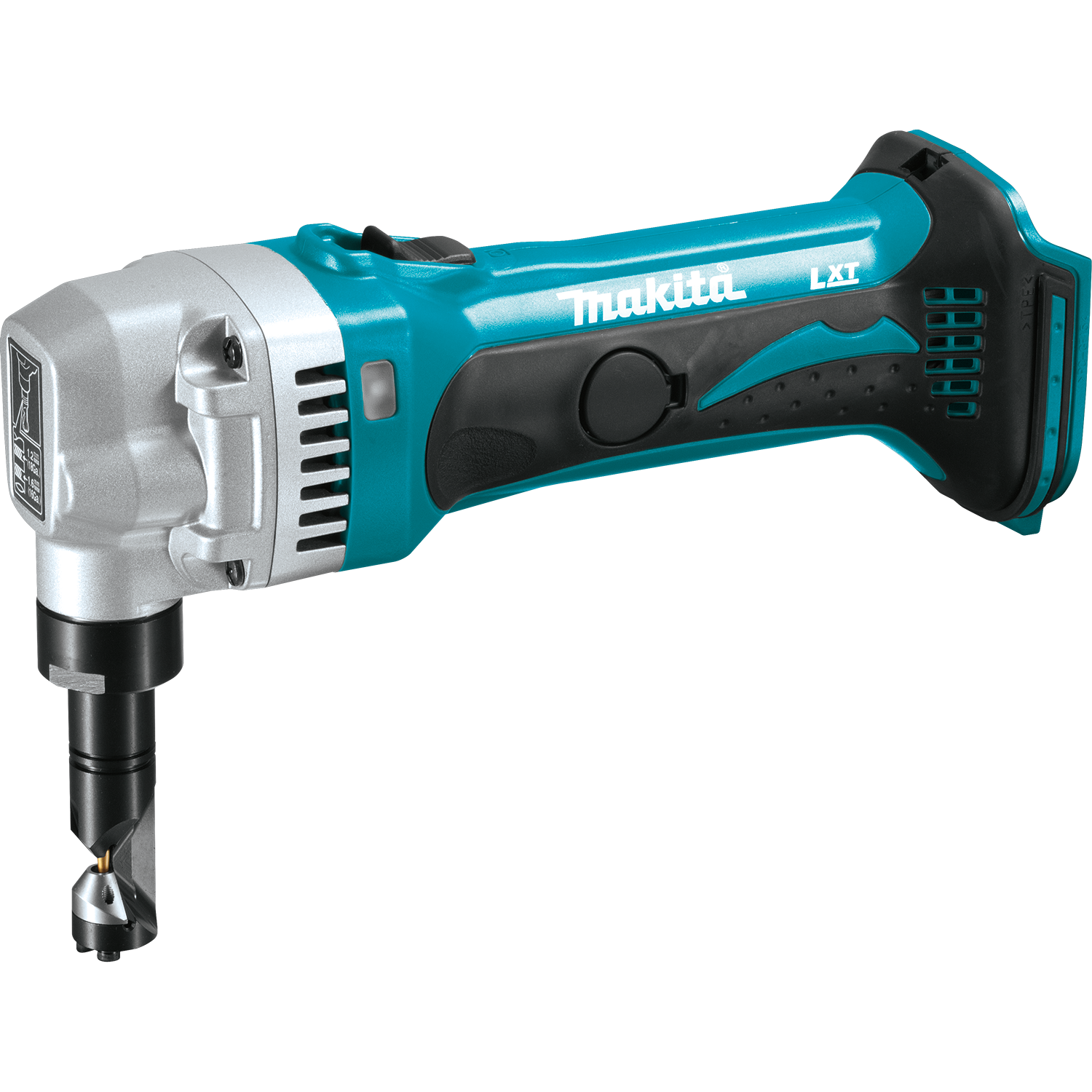
A nibbler cuts sheet metal by punching out small pieces rather than shearing along a continuous line. That makes it useful for curved openings, notches and cuts in installed ductwork where a circular saw or long shear may be awkward. The trade-off is a narrow kerf that leaves a stream of small, sharp metal chips. Those chips can fall into ductwork, damage finished surfaces or end up in your shoes if you do not contain them.
For typical HVAC work, a nibbler is most useful on galvanized sheet steel and aluminum within the tool’s rated capacity. It is not automatically the fastest choice for every straight cut: aviation snips can be cheaper and quieter for a short, accessible cut, while shears often leave less waste. Before buying, check the thickness capacity for the specific metal you cut. A rating for mild steel does not necessarily apply to stainless steel, which is harder to cut.
As an Amazon Associate we earn from qualifying purchases at no extra cost to you.


Cordless nibbler choices at a glance
| Option | Best fit | What to weigh |
|---|---|---|
| Cordless nibbler | Curves, cutouts and work away from an outlet | Fast and maneuverable, but produces chips and consumes battery |
| Corded nibbler | Frequent shop work near power | No battery interruptions; cord can snag around duct and ladders |
| Cordless metal shear | Longer straight cuts with a cleaner work area | Less suited to tight curves and small openings |
| Aviation snips | Occasional short cuts and small jobs | Low cost and no charging; slower and tiring for repeated cuts |
If you already own batteries in a platform with a suitable nibbler, the cordless tool can be a sensible addition. Otherwise, compare the cost of the bare tool plus battery and charger against a corded model or snips. A cordless sheet-metal nibbler is worth considering for repeated on-site cutouts, not just because it is cordless.
What to check before you buy
Capacity and material: Look for the manufacturer’s stated maximum thickness in the metal you actually use. HVAC duct is often light-gauge sheet, but transitions, plenums and repairs can involve thicker stock. Do not assume a tool that handles a given gauge in mild steel will handle the same gauge in stainless. If the rating is unclear, check the manual before cutting.
Cut direction and access: A nibbler’s head needs room to turn, and the die and punch must stay square to the sheet. Check whether the head can be rotated or indexed and whether the tool can make the direction of cut you need without twisting your wrist. For a round duct opening, plan the approach and make sure the tool body will clear the duct and nearby framing.
Battery fit and balance: Match the tool to batteries you already own when possible. A large high-capacity pack can extend runtime but make the tool tiring overhead or inside a cramped mechanical room. A smaller pack is lighter, though it may need changing sooner. Compare bare-tool weight and battery weight together; advertised tool weight may not include the pack.
Consumables and service: Punches and dies wear, and cutting abrasive or thick material can shorten their life. Check that replacement parts are available and reasonably priced. A dull or damaged punch can make the tool cut slowly, leave rough edges or jam. Clearing a jam with the battery installed is a bad shortcut—remove the battery first and follow the manufacturer’s instructions.
Choose a platform—or skip the nibbler
If you already have batteries and a charger from a major tool ecosystem, staying on that platform usually avoids paying twice for charging equipment. But don’t choose a nibbler solely because it accepts your batteries: compare capacity, head access, weight and replacement-punch availability. If you need a complete cordless setup, include the battery and charger in the total price. A cordless metal shear may be a better buy if most of your cuts are long and straight.
For one or two short cuts, good aviation snips may be the cheaper, more practical choice. They do not need charging, produce no powered stream of chips and fit into a tool pouch. Their limits are hand fatigue, slower progress and difficulty with long cuts or tight curves. For regular cutouts in ductwork, though, a cordless nibbler can save effort and make awkward shapes easier to control.
Cutting duct without making a mess
Mark the opening clearly and check both sides of the cut area for wires, insulation, dampers and other obstructions. Protect finished surfaces and keep chips out of the duct: cover nearby openings and, where practical, place a catch sheet or vacuum at the cut. Metal chips are sharp and can be difficult to spot in insulation or debris.
Wear eye protection and hearing protection, and use gloves when handling cut sheet metal—not around moving cutting parts. Start the tool before engaging the sheet if the manual directs, keep the shoe flat, and feed steadily rather than forcing it. For a closed cutout, make an entry hole large enough for the tool’s punch and die; do not force the head through an undersized opening.
Stop if the tool slows sharply, chatters or begins tearing the edge. Those symptoms can point to a dull punch, a wrong material thickness, a misaligned head or excessive feed pressure. Remove the battery before inspecting or clearing the cutting head. Afterward, vacuum chips from the work area and duct, then deburr the edge and check for loose fragments before the system runs.
Related guides
- Longest Lasting Lawn Mower Battery: AGM vs Lithium vs Flooded Lifespan and Cost per Season
- Duralast Gold Lawn Mower Battery Review: U1 Fit, CCA and When to Pay for AGM
- Greenworks Pro 80V 21-Inch Mower Review: Runtime Math, Push vs Self-Propelled and Yard Fit
- Bosch High Pressure Washer Gun Replacement: Fittings, Adapters and What Fits Your Model