
Our Top Picks
 G & F Products Two-Strap Disposable Dust Masks1 Count (Pack of 50)4 x 12 x 5 Inches0 poundsCheck on Amazon



What's inside
- What this guide covers
- What a hammer drill actually does
- Hammer drill versus drill driver, impact driver and rotary hammer
- Comparison table: choosing by task
- Features that matter
- Batteries, voltage and runtime
- Bits, anchors and technique
- Safety notes for hammer drilling
- Buyer checklist
- Mistakes to avoid
- Frequently asked questions
- Bottom line
As an Amazon Associate I earn from qualifying purchases. This post may contain affiliate links at no extra cost to you.
The short answer: the best cordless hammer drills are the ones that handle your usual material without fighting you. For general home improvement, a compact brushless model with a keyless metal chuck, a decent clutch and a three-mode switch covers drilling wood, metal and the occasional masonry anchor. For regular concrete work, look at a heavier model with a larger battery and a side handle. If you already own batteries from one tool system, buying inside that platform usually beats chasing a slightly better spec elsewhere.
This guide does not rank products or quote specifications for any particular model. It explains how a hammer drill works, how it differs from a standard drill and an impact driver, which features matter, how to pair it with the right bits, and which safety habits keep you out of the emergency room. Compare current listings against your own projects once you have read it.
What this guide covers
- What a hammer drill actually does
- Hammer drill versus drill driver, impact driver and rotary hammer
- Comparison table: choosing by task
- Features that matter
- Batteries, voltage and runtime
- Bits, anchors and technique
- Safety notes for hammer drilling
- Buyer checklist
- Mistakes to avoid
- Frequently asked questions
- Bottom line
What a hammer drill actually does
A hammer drill combines the spinning motion of an ordinary drill with a rapid forward-and-back pulsing along the length of the bit. The pulsing is produced by two ridged discs inside the gearbox that ride over each other, and the result is a fine chipping action at the tip while the bit rotates. In soft material you switch the hammer action off and it behaves like any other drill. In brick, block, mortar and some concrete you switch it on, and the bit advances through the masonry far faster than spinning alone could manage.
It is important to be realistic about this mechanism. The hammering in a standard hammer drill is light compared with the heavy piston strike found in a rotary hammer. It makes masonry drilling practical for anchors, shelf brackets, wall plugs, fence post fixings and similar jobs, but it will not replace a rotary hammer for deep holes in hard concrete, repeated drilling through reinforced slabs or chiselling work.
Hammer drill versus drill driver, impact driver and rotary hammer
Shoppers regularly end up with the wrong tool because the names sound alike. Sorting them out takes a minute and saves a return.
Drill driver
A drill driver rotates smoothly and has an adjustable clutch for driving screws. It is the gentlest and most controllable option, ideal for furniture, cabinets, small holes and delicate materials. It is not built for masonry.
Hammer drill
A hammer drill adds the pulsing mode, so it does everything a drill driver does and also opens up brick and block. The extra mechanism can make the tool a little heavier and longer, and some hammer drills are less refined for fine screwdriving than a dedicated drill driver.
Impact driver
An impact driver delivers rotational bursts, which sink long screws and bolts with little effort from your wrist. It is not the same as hammering. The impacts are rotational, not forward, so it does not help you drill masonry in the way a hammer drill does. It uses hex-shank bits and is a superb companion tool instead of a replacement.
Rotary hammer
A rotary hammer uses a piston mechanism to deliver a much stronger blow and typically uses a special bit-holding system. It is the right choice for frequent or deep concrete drilling. It is overkill and heavier than most homeowners need, but it is worth considering if concrete is a regular part of your work.
Comparison table: choosing by task
The table summarises general tendencies. Individual models differ, so always read the manual and the listing.
| Tool type | Best at | Handles masonry? | Typical user | Watch out for |
|---|---|---|---|---|
| Drill driver | Screws, wood, metal, light drilling | No | Furniture and interior work | Burns out if forced into brick |
| Compact hammer drill | All-round drilling plus occasional masonry | Light to moderate | Homeowners and renovators | Slower in hard concrete |
| Full-size hammer drill | Frequent masonry anchors, larger bits | Moderate | Serious DIYers, fitters | Weight and battery demand |
| Impact driver | Long screws, bolts, decking | No | Anyone driving fasteners | Hex bits only, less control |
| Rotary hammer | Deep holes and heavy concrete | Heavy duty | Trades, big projects | Heavier and costlier |
If your list includes only a handful of masonry holes a year, a compact hammer drill is generally enough. If you drill concrete every month, think seriously about stepping up.
Features that matter
Brushless versus brushed motors
Brushless motors usually run cooler, waste less energy and need less maintenance, which translates into longer runtime from the same battery and a longer tool life. They typically cost more. For occasional use, a brushed model can still be a reasonable choice, but if you drill regularly, the efficiency of brushless is worth considering.
Chuck type and size
Most cordless hammer drills use a keyless chuck that you tighten by hand. A metal-bodied chuck tends to grip bits more securely and resist wear better than a plastic one. Check the maximum shank size the chuck accepts, because bigger masonry bits and hole saws need a larger opening. A chuck that wobbles or lets bits slip will frustrate you quickly, so read owner feedback on this point.
Mode selector
Look for a clearly marked switch with at least three positions: drilling, driving with clutch and hammer. The switch should be easy to find and difficult to change by accident. Some tools also include a speed range selector, which changes gearing for slow, high-torque work or fast, light drilling. Both help you match the tool to the material.
Clutch and torque control
A numbered clutch ring stops the chuck turning when resistance reaches a preset level. It protects screw heads, delicate materials and your wrist. More clutch settings give finer control. Remember that the clutch is bypassed in drilling and hammer modes, so the tool can kick hard if a bit jams.
Side handle and depth rod
A side handle is essential for safe masonry drilling. If a bit snags, the tool can twist violently, and a two-handed grip lets you resist it. A depth rod helps you drill to a consistent depth, which matters when setting anchors. Check that both are included, since some listings sell the tool without accessories.
Weight, balance and ergonomics
Heavier tools can feel steadier on a wall, but they tire your arm during overhead work. Compare the weight with a battery attached, as that is the real working weight. Check where the weight sits: a front-heavy tool is harder to hold level. Rubberised grips help when your hands are sweaty or dusty.
Batteries, voltage and runtime
Choose a platform, not just a tool
Batteries are usually the most expensive part of a cordless tool collection. Buying the bare tool when you already own compatible packs is typically the most economical route. If you are starting from scratch, evaluate the whole range the maker offers: do they have the saws, sanders, lights and outdoor tools you may want later? Confirm compatibility in the listing, since battery families that look alike are not always interchangeable.
Voltage and amp-hours
Higher voltage generally supports more power, and higher amp-hour capacity stores more energy. Do not treat the numbers as a precise guide to performance, because motor design, gearbox and electronics also matter. In everyday terms, a smaller pack makes a lighter, handier tool for ladder work, while a bigger pack suits heavy masonry drilling that demands sustained current.
Runtime in masonry
Hammering into masonry draws more energy than drilling into softwood. If you have a long afternoon of anchor holes ahead, keep a spare pack charged. When a pack runs low, the tool may slow down and the cut will take longer, which tempts people to lean harder on the drill. Stop and swap instead.
Charging and care
Follow the manual for charging and storage. Avoid leaving packs in a hot vehicle or in freezing sheds, and do not use a pack that is cracked or swollen. If you want the convenience of faster turnaround, look at a rapid charger from the same platform. You can browse cordless hammer drills to see which kits include spare batteries.
Bits, anchors and technique
The best drill in the world performs poorly with the wrong bit. Matching the bit to the material is half the job.
Masonry bits
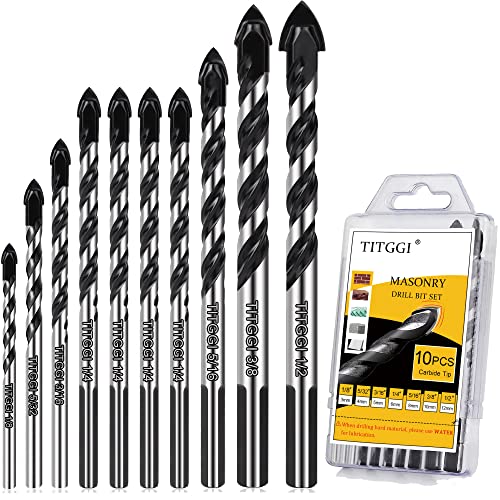
Masonry bits have a hardened tip, often carbide, brazed onto a steel body. They are designed for hammer-drill use. Choose a diameter that matches the anchor or plug you are using, and read the anchor’s packaging for the recommended hole size and depth. A worn bit overheats and slows down, so replace it when progress stalls.
Wood and metal bits
Switch off the hammer function for these. Hammering in wood tears fibres and in metal can damage the bit and the workpiece. Use sharp bits intended for the material, and clamp small pieces so they cannot spin.
Technique for clean masonry holes
- Mark the spot and check for hidden pipes and cables with a suitable detector.
- Start with the tool in drilling mode at low speed to prevent the tip wandering, then switch on the hammer function.
- Hold the drill square to the surface and use steady, moderate pressure.
- Withdraw the bit periodically to clear dust, and let the tool cool if it feels hot.
- Use tape or the depth rod to mark the final depth.
- Clean the hole thoroughly before inserting an anchor, because leftover dust weakens the grip.
Know when to stop
If the bit stops progressing, you may have struck steel reinforcement or very hard aggregate. Do not force it. Back off, move the position slightly if the design allows, or switch to a more suitable tool. Reinforcement, post-tensioned cables and structural elements may be present in concrete slabs and beams, so check building plans or ask a professional before drilling into structural concrete.
Safety notes for hammer drilling
- Wear eye protection every time. Chips and dust can fly back at your face, and bits can shatter.
- Use hearing protection during extended masonry work, as hammering is loud.
- Protect your lungs. Masonry and concrete dust can contain crystalline silica. Use a suitable respirator and dust control, and follow current guidance for your region.
- Always use the side handle for masonry and large bits, and keep your body balanced so a sudden jam does not twist you off a ladder.
- Check for hidden services before drilling any wall: electrical cable, water pipes and gas lines are all possible. If in doubt, do not drill.
- Secure the workpiece with clamps rather than holding it by hand.
- Remove the battery before changing bits or making adjustments, or at least lock the trigger.
- Avoid loose clothing, jewellery and long hair that could tangle in the chuck.
- Be wary of older buildings. Paint, plaster and some building materials from past decades may contain hazardous substances. If you suspect that, stop and seek professional advice.
- Let hot bits cool before touching them.
Read the manual for your specific tool and check current manufacturer instructions, because modes, torque limits and warnings differ between models.
Buyer checklist
- What materials will I drill most often, and how many masonry holes do I expect each year?
- Do I already own batteries that fit, and is the tool sold bare or as a kit?
- Does it have a hammer mode switch that is clearly marked and hard to knock by accident?
- Is the motor brushless, and does the maker explain what that means for runtime?
- Is the chuck metal, keyless and large enough for the bits I plan to use?
- How many clutch settings are there, and does the tool include a speed selector?
- Is a side handle and depth rod provided?
- What does the tool weigh with the battery fitted, and does it feel balanced?
- Does the kit include a charger, case and at least one battery?
- Is there an LED light and a battery gauge?
- Is the warranty clear, and are replacement chucks, brushes and handles available?
- Will I want a rotary hammer instead, because my work is heavy concrete?
Mistakes to avoid
Using hammer mode on the wrong material
Hammer action on tile, glass, wood or metal can crack, tear or chew the surface. Switch it off unless you are drilling brick, block or concrete. For tile, drill with a suitable bit in plain drilling mode, and only move to the hammer function once you reach masonry behind it.
Expecting it to replace a rotary hammer
A standard hammer drill can be frustrating in dense concrete. If bits take minutes to advance and the tool heats up, you are asking too much. Rent or buy the right tool for heavy-duty work.
Leaning on the tool
Extra force does not equal faster drilling. It overheats the bit, stresses the motor and drains the battery. Let the hammer action do the work and apply steady pressure only.
Forgetting dust and hidden hazards
Drilling above your head without dust control or without checking behind the wall is how small jobs become big problems. Plan for both before you pull the trigger.
Frequently asked questions
Is a hammer drill the same as an impact driver?
No. A hammer drill pulses forward to chip masonry, while an impact driver delivers rotational bursts to sink screws. Many people own both because they do different jobs.
Can I use a cordless hammer drill for concrete?
For small holes and anchors in moderate concrete, yes, with a suitable masonry bit and patience. For deep or repeated holes in hard concrete, a rotary hammer is a better fit.
Do I need a brushless model?
Not necessarily, but brushless tools generally offer better efficiency and longer service life. If you drill often or work on large projects, the extra cost may be worth it.
What size battery should I choose?
A compact pack suits ladder work and light jobs, while a larger pack suits masonry and long sessions. If your platform supports both, owning one of each is a practical combination.
Can I drive screws with a hammer drill?
Yes, in the driving mode with the clutch set appropriately. For long screws or heavy fasteners, an impact driver is more comfortable and efficient.
Why does the drill kick or twist in my hands?
This usually happens when a bit jams or hits reinforcement. Use the side handle, keep a firm stance and stop immediately if the bit binds. Replace dull bits promptly.
Should I use hammer mode on tile?
Generally no. Hammer action can crack tile. Drill through the tile with a suitable bit in plain mode, then switch to hammer only when you reach brick or concrete behind it, if the bit type allows.
How do I know which drill bits to buy?
Match the bit type to the material and check the shank is compatible with your chuck. For masonry, choose bits labelled for hammer drilling, and check the anchor packaging for the correct diameter and depth.
Bottom line
The best cordless hammer drills balance power, weight and battery capacity for the work you actually do. Choose a compact brushless model for general use, step up in size and battery capacity if masonry is regular, and consider a rotary hammer when concrete dominates. Pay attention to the chuck, mode switch, clutch and side handle, buy inside a battery platform you trust, and keep safety gear within reach. Specifications and instructions change, so check current details before buying and read the manual before drilling. To get started, browse hammer drill kits, add a set of masonry drill bits and pick up safety glasses and a dust mask or respirator before the first hole.
Disclosure: As an Amazon Associate, we earn from qualifying purchases. Links marked as sponsored may earn us a commission at no extra cost to you.
Related guides
More from Amazon
Programs that pair well with the guide above. Offers and eligibility are set by Amazon and may change.
A free business account with business pricing and bulk-buying tools for work, shop or home office.
Create a business accountFree shipping on eligible items, Prime Video and more. Eligible new members can start with a free trial.
Start a Prime free trialAudiobooks and podcasts to listen to on the go. Eligible new members can start with a free trial.
Try Audible freeAd-free music streaming. Eligible new subscribers can start with a free trial.
Try Music Unlimited freeAs an Amazon Associate we earn from qualifying purchases.

Write Your Review
No reviews yet. Be the first to share your experience!