
Our Top Picks
 COMOWARE 20V Cordless Drill & Bits Set w/Charger10L x 7W x 6H inches11 x 3 x 9 inches5.2 poundsCheck on Amazon
 DEWALT 20V MAX Cordless Drill and Impact DriverOne Size15.06 x 6.4 x 9.88 inches3.6 PoundsCheck on Amazon

What's inside
- What is inside this guide
- What a cordless drill set actually includes
- Types of cordless drill sets compared
- Batteries, voltage classes and platform thinking
- Motor, chuck, clutch and speed ranges
- Accessories: what earns its place in the case
- Matching a set to the job
- Care, charging and safety
- Common buying and using mistakes
- Who should choose what
- Pre-purchase checklist
- Frequently asked questions
- Conclusion
As an Amazon Associate I earn from qualifying purchases. This post may contain affiliate links at no extra cost to you.
The short answer: the best cordless drill set is the one that matches the work you actually do, not the one with the largest accessory count. For most homeowners, a compact drill driver with two batteries, a charger and a small organized bit assortment covers furniture assembly, shelves, curtain rails and light repairs. Frequent builders and renovators are better served by a brushless drill with a metal chuck, two higher-capacity batteries and a case that holds everything. If you also drive long fasteners, a combo kit with an impact driver is worth the extra money. Whatever you pick, check the battery platform first, because you will be living with it for years.
What is inside this guide
- What a cordless drill set actually includes
- Types of cordless drill sets compared
- Batteries, voltage classes and platform thinking
- Motor, chuck, clutch and speed ranges
- Accessories: what earns its place in the case
- Matching a set to the job
- Care, charging and safety
- Common buying and using mistakes
- Who should choose what
- Pre-purchase checklist
- Frequently asked questions
- Conclusion
What a cordless drill set actually includes
The phrase “drill set” is stretched across several very different products, and that is the first source of confusion when you shop. At the simplest level, a set is a drill driver sold with a battery, a charger and perhaps a bag. At the other extreme, it is a case containing a drill, a second tool, multiple batteries, a charger and a hundred or more loose bits and sockets. Both are called sets, yet they solve different problems.
Think of any kit as three layers. The first layer is the tool itself: the motor, gearbox, chuck and trigger. The second is the power system: battery packs and the charger that feeds them. The third is the accessory layer: drill bits, driver bits, extension holders and the case that keeps them together. Manufacturers often invest most of their marketing effort in the third layer because a big number on the box looks like value. In practice, the first two layers determine whether the kit is pleasant to use, and the third layer is the easiest to improve later with a single purchase of better bits.
Types of cordless drill sets compared
Most kits fall into a handful of categories. Understanding the category tells you more about suitability than any single feature does. The table below compares the common types by what they are good at and where they struggle.
| Set type | Typical contents | Best for | Watch out for |
|---|---|---|---|
| Compact drill driver kit | Small drill, one or two small batteries, charger, bag | Flat-pack furniture, picture hanging, light household repairs | Limited torque for large holes; small batteries drain faster under load |
| Full-size drill driver kit | Standard drill, two batteries, charger, case | General home improvement, decking screws, drilling in timber and masonry-lite jobs | Heavier and bulkier for overhead or tight-space work |
| Hammer drill kit | Drill with hammer mode, batteries, charger, sometimes a side handle | Occasional drilling into brick, block and concrete | Hammer mode on small drills is modest; heavy masonry needs a rotary hammer |
| Drill with large accessory case | Drill, one battery, charger, dozens of bits and sockets | First-time owners who want everything in one box | Accessory quality varies widely; the drill itself may be basic |
| Drill and impact driver combo | Two tools, two batteries, charger, bag or case | Frequent builders, deck and fence work, renovation | Cost is higher; you may not need both tools |
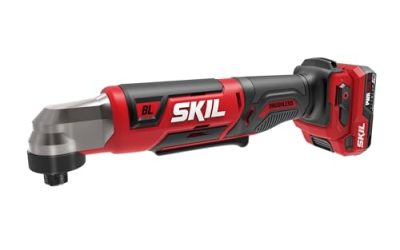
| Right-angle or specialty drill kit | Compact angled drill, batteries, charger | Work between joists and studs, cabinet interiors | Narrow use; usually a second drill rather than a first |
A compact kit is the right answer more often than people expect. Many households use a drill for a few small jobs a month, and a lighter tool is easier to control, less tiring and less likely to be left in a cupboard because it feels like a chore to pick up. Upgrading to a full-size kit makes sense when you regularly drive long screws, bore holes with larger bits, or work for extended stretches.
Batteries, voltage classes and platform thinking
Battery choices shape the long-term value of a drill set more than almost any other decision. Most cordless tools in this category sit in a few broad voltage classes. Lower-voltage packs, often described as around 12 volts, power compact, lightweight tools. Higher-voltage packs, commonly sold in an 18 or 20 volt class, power full-size tools with more torque and longer run time. Note that the higher figures are often labels for the same class of pack, so compare within a class and do not assume a bigger number on the box means a stronger tool.
| Battery class | Weight and feel | Power and run time | Typical fit |
|---|---|---|---|
| Compact low-voltage | Light, easy one-handed use | Enough for screws and small holes; shorter run time on demanding tasks | Household and light assembly |
| Mid-range higher voltage with smaller capacity packs | Balanced, moderate weight | Good for most home improvement; swap packs during long sessions | Homeowners and keen DIYers |
| Higher voltage with larger capacity packs | Heavier, more fatigue over a day | Longer run time and better sustained torque | Renovators and trades-style use |
Platform thinking is the part many buyers skip. Within a brand family, one battery type typically fits many different tools, so buying into a platform is really a decision about which future tools you will be able to add cheaply as bare units. Before you buy a drill kit, glance at what else is offered in that battery family: a saw, a light, an inspection tool, outdoor equipment. If the platform lacks tools you expect to want, the apparent bargain on today’s kit may cost you later. Equally, if you already own batteries from a family, a bare drill may be smarter than a full kit.
Be wary of mixing batteries and chargers across different systems. Even when a pack physically fits, using a charger that is not designed for it can be unsafe. Use the charger supplied or specified for the pack, and do not use adaptors that bridge incompatible systems unless the manufacturer explicitly supports it.
Motor, chuck, clutch and speed ranges
Once the battery question is settled, three mechanical details decide how the drill feels in your hand. The first is the motor. Brushed motors use small carbon contacts and are inexpensive and proven. Brushless motors use electronic control, tend to run cooler, waste less energy as heat and usually give longer run time per charge. They cost more, and for light weekend use the difference may never justify the premium. For regular, demanding work, brushless is a sensible upgrade.
The second detail is the chuck, the clamp that holds the bit. Most modern drills use a keyless chuck that you tighten by hand. A metal-bodied chuck tends to grip round and hex shanks more securely and survives knocks better than a plastic-bodied one. Single-sleeve chucks are quicker to use with one hand. Whichever you choose, tighten firmly and tug the bit to confirm it is seated, because a slipping bit ruins both the hole and your patience.
The third is the clutch, the numbered ring behind the chuck. It limits the torque delivered to a screw so the drive slips with a ratcheting sound instead of stripping the head or burying it in soft material. A broad range of clutch settings helps when you move between delicate cabinet hardware and chunkier timber screws. Start at a low number, test on scrap, and raise it until the screw seats flush. Use the drill setting, which bypasses the clutch, only when drilling holes.
Accessories: what earns its place in the case
Large accessory counts are tempting, but accessory quality and relevance matter far more than quantity. A sensible starter assortment includes a graded set of twist bits for drilling wood and metal, a few brad-point bits for cleaner wood holes, a masonry bit or two if your drill has a hammer mode, and a small collection of driver bits covering the common head shapes. A magnetic bit holder is one of the cheapest upgrades you can make, since it holds screws steady and keeps bits from wobbling.
For a quick look at assortments that suit different jobs, you can browse cordless drill sets with accessory cases and compare the contents lists against the guidance above.
Matching a set to the job
Start from your typical weekend rather than the most ambitious project you can imagine. If your tasks are mostly assembling furniture, hanging shelves and fixing hinges, a compact kit is comfortable, light and easy to store. The small battery recharges quickly and the tool is gentle on delicate materials. Adding a second battery for a long assembly session is cheap insurance.
If you build decks, fences, sheds or install framing screws, you drive many long fasteners into dense wood. Here torque and battery endurance dominate. A full-size, preferably brushless drill with two mid-to-large batteries is the practical minimum, and many people in this situation add an impact driver to reduce wrist strain. Pre-drilling pilot holes near board ends prevents splitting even when the drill has plenty of power.
Care, charging and safety
Safety with cordless drills comes down to protecting your eyes, hands and hearing, controlling the workpiece, and handling lithium-ion batteries sensibly. Wear safety glasses whenever you drill or drive, since chips, dust and broken bit fragments can fly. Add hearing protection for extended masonry work and a dust mask or respirator for cutting or sanding materials that create fine dust. Avoid loose sleeves, dangling jewelry and long hair near the rotating chuck.
Secure the workpiece with clamps or a vise rather than holding it with your hand. A bit that snags can spin the material or the drill itself, and a side handle gives you a firm grip against that twist. Check for hidden pipes and wiring before drilling into walls, using a suitable detector, and switch off the supply to circuits you cannot rule out. Never assume the wall is empty.
For batteries, charge on a hard, non-flammable surface in a dry, ventilated location away from direct heat and clutter. Do not leave packs charging unattended for long periods, and do not charge a pack that is visibly swollen, cracked, leaking or damaged. Do not charge in freezing conditions or immediately after heavy use when the pack is hot; let it return to room temperature first. Store spare packs in a cool, dry place and keep metal objects, such as loose screws and keys, away from the terminals to prevent short circuits. Follow your local rules for recycling spent lithium-ion batteries rather than throwing them in household waste.
Common buying and using mistakes
The most frequent buying mistake is paying for accessory count. A set advertising an enormous number of pieces usually fills the number with tiny sockets and duplicate bits, and the drill at the heart of it may be modest. Reading the contents carefully, as described above, protects you from that.
On the using side, people often skip pilot holes and split their wood, overtighten with the clutch set too high, push a dull bit harder instead of replacing it, or run the drill at full speed from the first instant so the bit wanders. Another is using worn driver bits that cam out and chew screw heads. Replace driver bits regularly and match the bit exactly to the screw head. Finally, many people leave batteries fully drained in a cold garage for months. Store them partly charged in a moderate environment.
Who should choose what
Frequent renovators and small contractors should prioritize brushless motors, two or more larger batteries, a fast charger, and a rugged case, and should consider a combo with an impact driver. Hobbyists who work with small parts should pick a light compact tool with fine clutch steps. Anyone who plans to drill a lot of masonry should budget separately for a rotary hammer rather than hoping a hammer-mode drill will cope.
If you are shopping now, compare the options in drill driver kits with two batteries and note which contents match your use case.
Pre-purchase checklist
- Write down the three jobs you will do most often and choose a size class for them.
- Count the batteries in the box and confirm there are at least two if you work in long sessions.
- Check the charger type and note how long a full charge is likely to take.
- Look at what other tools the battery family offers before committing.
- Prefer a metal-bodied keyless chuck where the budget allows.
- Confirm the clutch has a generous range of settings and a drill-only mode.
- Check for two speed ranges and a variable-speed trigger.
- Choose brushless if you expect regular, demanding use.
- Read the accessory list and ignore the headline piece count.
- Verify the case holds the tool, batteries, charger and bits securely.
- Buy safety glasses and hearing protection at the same time as the drill.
- Read the warranty terms and the battery handling instructions before first use.
Frequently asked questions
How many batteries should a drill set include?
Two is the practical target. One battery charges while the other works, so you do not stop mid-project. A single-battery kit is acceptable only for very light use or when you already own compatible packs.
Is a brushless drill worth the extra cost?
For frequent or demanding use, yes. Brushless motors generally run cooler and make better use of each charge. For a few small jobs a year, a brushed drill is usually sufficient and the savings can go toward a better battery or bits.
Can I use a cordless drill to drive screws all day?
A drill driver can, but long fastener runs strain the wrist. If you regularly drive many long screws, an impact driver reduces effort and lessens the chance of the bit camming out.
Alternatively, use a lower gear and a clutch setting matched to the screw, and take breaks to let both you and the tool recover.
Do I need a hammer drill?
Only if you drill into brick, block or concrete. For occasional wall plugs a hammer-mode drill is handy. For many or large masonry holes, a rotary hammer is a better tool.
What size chuck do I need?
Common chuck capacities suit the bits most households use. A larger capacity accepts thicker shanks, but check the bits you plan to buy and choose a chuck that holds them securely. Do not exceed the stated maximum capacity.
How do I make batteries last longer?
Avoid deep discharge and extreme temperatures, use the matched charger, store packs partly charged in a cool dry place, and do not leave them on the charger indefinitely. Rotate your packs so none sits unused for months.
Are big accessory sets a good value?
They can be if the pieces are relevant and well made, but many contain filler. A smaller, well-chosen assortment of quality bits often serves better, and you can add specialist items as needed.
Is it safe to leave a battery on the charger overnight?
Many modern chargers stop when the pack is full, but good practice is not to leave charging unattended for long periods. Charge on a hard surface away from flammable materials and follow the manufacturer’s instructions.
Conclusion
Choosing among cordless drill sets becomes straightforward once you ignore piece counts and focus on the fundamentals: a size class that suits your tasks, two batteries from a platform you trust, a sturdy chuck, a useful clutch, and a small, good assortment of bits. Match power to your real workload, add proper safety gear, and treat the batteries with care. A thoughtful choice now saves money on the second purchase you would otherwise have to make.
When you are ready to compare current options, a quick look at brushless drill kits can help you see how contents and configurations differ.
Disclosure: As an Amazon Associate, we earn from qualifying purchases. If you buy through links on this page, we may receive a small commission at no extra cost to you.
Related guides
More from Amazon
Programs that pair well with the guide above. Offers and eligibility are set by Amazon and may change.
A free business account with business pricing and bulk-buying tools for work, shop or home office.
Create a business accountFree shipping on eligible items, Prime Video and more. Eligible new members can start with a free trial.
Start a Prime free trialAudiobooks and podcasts to listen to on the go. Eligible new members can start with a free trial.
Try Audible freeAd-free music streaming. Eligible new subscribers can start with a free trial.
Try Music Unlimited freeAs an Amazon Associate we earn from qualifying purchases.


Write Your Review
No reviews yet. Be the first to share your experience!