What's inside
As an Amazon Associate I earn from qualifying purchases. This post may contain affiliate links at no extra cost to you.
Why use a cordless wet-dry vac for hand-tool dust
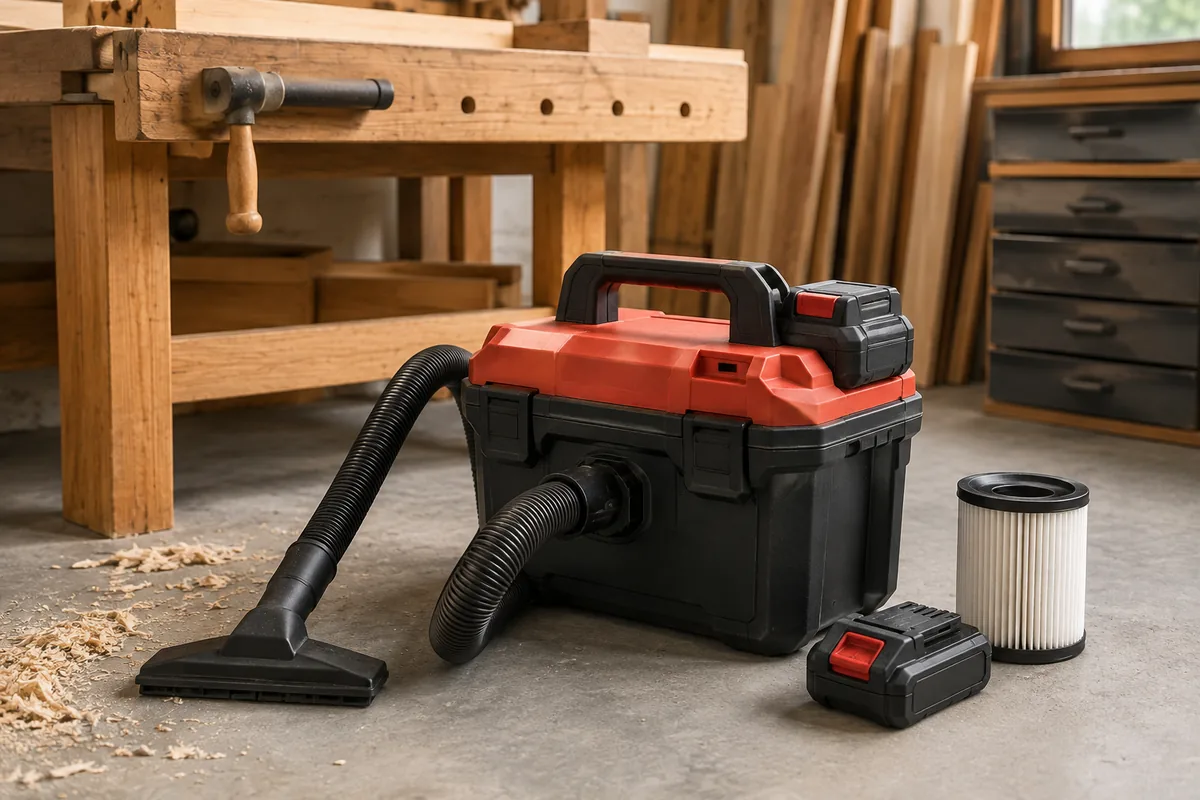
A cordless wet-dry vacuum can collect dust from sanding, drilling, and small cutting jobs without an extension cord running across the work area. It is most useful for short tasks, punch-list work, and jobsites where carrying a full-size extractor is more trouble than it is worth. The trade-off is straightforward: compact vacs usually have less capacity and may provide less airflow than a corded extractor, while their runtime depends on the battery and how hard the tool is working.
For useful dust collection, match the vacuum to the hand tool. A sander with a dust port can send a steady stream of fine dust into a small container quickly; a drill creates a more intermittent mess that may be handled with a nozzle or a dust-collection attachment. A vac that is adequate for cleanup is not automatically suitable for capturing fine dust at the source.
As an Amazon Associate we earn from qualifying purchases at no extra cost to you.

What to check before buying
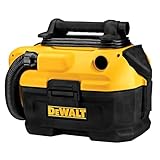
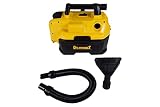
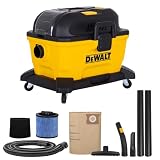
Airflow and filtration: Look for the manufacturer’s airflow and filtration specifications, and check that replacement filters and bags are available. Fine sanding dust can load a filter quickly, reducing suction. A bag can keep the container and filter cleaner, but it adds a recurring cost. For hazardous dust, including lead or silica, do not assume a general-purpose shop vac is adequate: use equipment and work practices suited to the material and applicable safety requirements.
Hose and tool fit: Check the hose diameter, included adapters, and whether the vacuum can be switched on by the connected tool. A loose adapter leaks suction; a restrictive adapter can limit airflow. Measure the tool’s dust port before ordering if the connection is not standardized.
Battery and runtime: Compare capacity in amp-hours (Ah) only among batteries on the same voltage platform. Higher capacity generally means more stored energy, but it also adds weight and cost. Runtime varies with battery condition, vacuum setting, filter loading, and the material being collected. If the vacuum uses a platform you already own, using a spare battery can make a less expensive bare-tool purchase sensible.
How the main options compare
| Option | Best suited to | Main trade-off |
|---|---|---|
| Compact cordless wet-dry vac | Small cleanup jobs, drilling, and occasional sanding | Limited capacity; check filtration and tool connections carefully |
| Larger cordless wet-dry vac | Longer jobs and collecting more debris between emptying | Bulkier to carry; may use more battery energy |
| Corded dust extractor | Repeated sanding or cutting where steady source capture matters | Requires a power outlet and cord management |
| Dust shroud or drill dust attachment | Capturing dust at a specific tool or hole | Fit is tool-specific and may not replace general cleanup |
For a cordless setup, start with the battery platform you already use, then compare the vacuum’s capacity, filtration, hose, and controls. Browse cordless wet-dry vacuums sold as bare tools if you have compatible batteries and a charger. If you are starting a platform from scratch, include the cost of a battery and charger before judging the price.
Match the vacuum to the hand tool
Random-orbit sanders: Use a close-fitting hose adapter and keep the sander’s dust ports clear. Empty the vac before the container is packed; an overfilled bin and clogged filter both reduce collection. If you sand for long stretches, a compact cordless vac may need frequent filter cleaning or battery swaps. A corded extractor can be the better value if the work is regular rather than occasional.
Drills and impact drivers: These tools often make dust in short bursts, so a small vac with a narrow nozzle can be enough for cleanup. For overhead drilling or masonry, a purpose-built dust attachment can keep more dust out of the air than holding a nozzle nearby. A general-purpose vacuum should not be treated as proof that a dusty drilling operation is controlled safely.
Oscillating tools and small saws: Dust ports differ substantially, and chips can clog narrow hoses. Test the connection on a small amount of material first. If suction drops, stop and inspect the hose, adapter, and filter rather than continuing with a blocked setup.
Battery and filter practicalities
Keep a charged spare battery available for a long work session, but do not assume a larger pack solves every runtime problem. A dirty filter, a pinched hose, or a poor-fitting tool adapter can make the vacuum work harder while collecting less. Check the filter when suction falls; clean or replace it as directed by the manufacturer. Do not wash a filter unless its instructions say it is washable, and let a washable filter dry fully before reinstalling it.
Wet pickup is a separate use case from dust collection. Follow the vacuum’s instructions for wet pickup, including any requirement to remove a dry filter or install a foam sleeve. Never collect liquids with a setup intended only for dry debris. Empty and dry the tank after wet use to reduce odor and corrosion.
Which one should you buy?
Choose a compact cordless vac if your work is mostly brief cleanup and you already own batteries on its platform. Choose a larger cordless unit when capacity and carrying convenience matter more than minimum size. For frequent sanding, compare a cordless vacuum with a dedicated extractor rather than assuming any shop vac will capture fine dust well. If you need a focused solution for drilling, consider a compatible drill dust-collection attachment alongside the vacuum.
The cheaper option is fine when dust volumes are small, the tool connection fits, and the filter is appropriate for the material. Spend more when you need reliable source capture over long sessions, better filtration, or a larger container that cuts down on interruptions. Before buying, verify platform voltage, whether the listing includes a battery and charger, replacement-filter availability, and the hose adapters included in the box.
FAQ
Which one should you buy?
Related guides
- Longest Lasting Lawn Mower Battery: AGM vs Lithium vs Flooded Lifespan and Cost per Season
- Duralast Gold Lawn Mower Battery Review: U1 Fit, CCA and When to Pay for AGM
- Greenworks Pro 80V 21-Inch Mower Review: Runtime Math, Push vs Self-Propelled and Yard Fit
- Bosch High Pressure Washer Gun Replacement: Fittings, Adapters and What Fits Your Model