What's inside
As an Amazon Associate I earn from qualifying purchases. This post may contain affiliate links at no extra cost to you.
For plastic plumbing repairs, a cordless pipe cutter is most useful when you have several cuts to make, limited hand strength, or a cramped work area. It is not automatically better than a manual ratcheting cutter. A powered tool costs more, adds battery weight, and can make a poor cut quickly if the blade is dull or the pipe is not supported.
The right choice depends mainly on the plastic you cut. PEX is soft and forgiving. PVC and CPVC are harder and demand a clean, square cut so fittings seat properly. ABS can also be cut with suitable shears, but its larger sizes may exceed the tool’s capacity.
As an Amazon Associate we earn from qualifying purchases at no extra cost to you.


Choose the Right Cutter Type
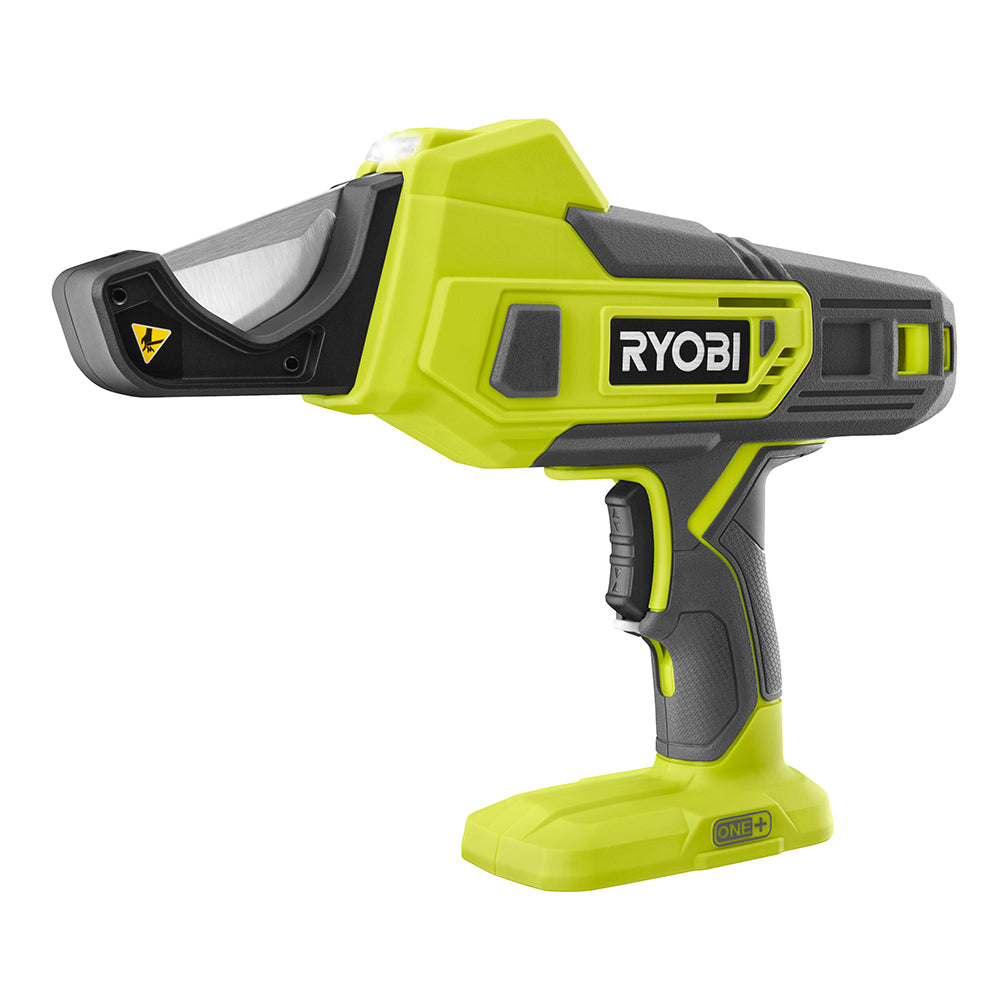
There are three practical cordless options. A powered shear uses a curved blade that closes against an anvil. It is the fastest choice for repeated cuts in PEX, PVC, CPVC, and sometimes ABS. A powered ratcheting cutter uses mechanical advantage and is slower, but it usually offers better control on thick-wall pipe. A compact reciprocating saw or oscillating tool can cut plastic pipe, but it is a backup method rather than a dedicated plumbing cutter.
| Tool type | Best use | Typical limits | Main drawback |
|---|---|---|---|
| Cordless plastic-pipe shear | Repeated cuts in PEX, PVC, and CPVC | Usually up to about 1-1/2 to 2 inches, depending on material | Can crush pipe or leave a crooked cut |
| Powered ratcheting cutter | Thicker or harder plastic pipe | Slower cycle; capacity varies widely | Less convenient for high-volume work |
| Oscillating tool | One-off cuts in tight spaces | Limited by blade access and pipe support | Leaves more debris and needs careful squaring |
| Manual ratcheting cutter | Small repairs and occasional work | Hand effort increases with diameter | Slow or tiring for many cuts |
What to Look For in a Cordless Cutter
Start with capacity, but do not trust the largest number without checking the material. A tool advertised for 2-inch pipe may reach that size only with thin-wall PVC. Schedule 80 PVC, CPVC, or cold, rigid pipe can require more force and may fall outside the practical limit. Check the manufacturer’s capacity chart for the exact pipe type.
A replaceable blade is important. Plastic dulls blades gradually, and a dull blade tends to bend the pipe before it finishes the cut. Look for a blade that is sold separately and an anvil that can be cleaned or replaced. Some inexpensive cutters have proprietary parts that are difficult to find after a few years.
Variable-speed control is useful near fittings and in awkward positions. A two-stage trigger or lockout helps prevent accidental operation while carrying the tool. An LED light is a minor convenience, but a narrow head and a good grip matter more inside a cabinet or between floor joists.
For occasional repairs, a cordless plastic pipe cutter for PEX and PVC is often enough. Buy a bare tool if you already own compatible batteries. Buying a kit makes more sense when you are starting a platform, because the battery and charger can cost nearly as much as the cutter.
Battery Platform Trade-Offs
Compact 12-volt systems are attractive for plumbing because the tools are lighter and easier to position under sinks. Their batteries generally provide enough energy for repair work, where the tool runs for seconds at a time. The limitation is not usually runtime; it is cutting force and the size of the cutter head.
18-volt and 20-volt platforms offer more power and a broader selection of saws, lights, drills, and inspection tools. They are the better fit for maintenance workers or anyone already using that battery family. The penalty is extra weight, especially when the tool is held overhead or at arm’s length.
Do not choose a platform based on voltage alone. Compare battery availability, charger cost, replacement blades, warranty support, and whether the same batteries fit tools you will actually use. A small plumbing cutter can be a sensible first purchase in a compact ecosystem, but it is a poor reason to abandon a platform you already own.
When a Cordless Cutter Is Worth Buying
Powered cutting earns its keep when you are replacing many sections of pipe, preparing multiple manifold connections, or working with painful hand positions. It also helps when you need consistent cuts in a series of PEX runs. A good cutter can make dozens of clean cuts on one battery charge, far more than most small repair jobs require.
For one or two cuts under a sink, the cheaper option is usually fine. A manual ratcheting cutter costs less, takes no charging time, and is less likely to damage nearby wiring or finished surfaces. It is also easier to control when the pipe is already connected and there is little room for the tool head.
If your work includes larger drain pipe, consider a compact cordless reciprocating saw with a fine-tooth plastic-cutting blade. It is more versatile, but you must support the pipe and guide the blade carefully. A saw is more likely to leave a rough edge and can cut into framing, cables, or the opposite side of the pipe.
How to Make a Clean Cut
Shut off and drain the line before cutting. Mark the pipe completely around its circumference rather than relying on a mark visible from one side. Support the pipe within a few inches of the cut; unsupported PEX can flex, while rigid PVC can crack or twist.
Keep the cutter square to the pipe. Let the blade do the work instead of forcing the trigger. If the tool stalls, release it and inspect the blade, pipe position, and material thickness. Do not repeatedly squeeze a stalled cutter, which can overheat the motor or damage the gear train.
After cutting, inspect the end for a flat face, crushing, and a raised plastic lip. Remove burrs with a deburring tool or utility knife as appropriate. For solvent-welded PVC or CPVC, a square, clean surface matters more than speed. For PEX, check that the tube is round and fully seated before installing the fitting and clamp or ring.
Practical Buying Recommendation
Choose a compact 12-volt dedicated shear if you mostly repair PEX and smaller PVC in occupied homes. Choose an 18- or 20-volt cutter if you already own that platform or regularly cut thicker pipe. If your jobs are infrequent, buy a manual ratcheting cutter first and add a cordless tool only when hand effort or job volume justifies it. A manual ratcheting PVC and PEX cutter remains the sensible low-cost backup, even for owners of powered tools.
Related guides
- Longest Lasting Lawn Mower Battery: AGM vs Lithium vs Flooded Lifespan and Cost per Season
- Duralast Gold Lawn Mower Battery Review: U1 Fit, CCA and When to Pay for AGM
- Greenworks Pro 80V 21-Inch Mower Review: Runtime Math, Push vs Self-Propelled and Yard Fit
- Bosch High Pressure Washer Gun Replacement: Fittings, Adapters and What Fits Your Model