What's inside
As an Amazon Associate I earn from qualifying purchases. This post may contain affiliate links at no extra cost to you.
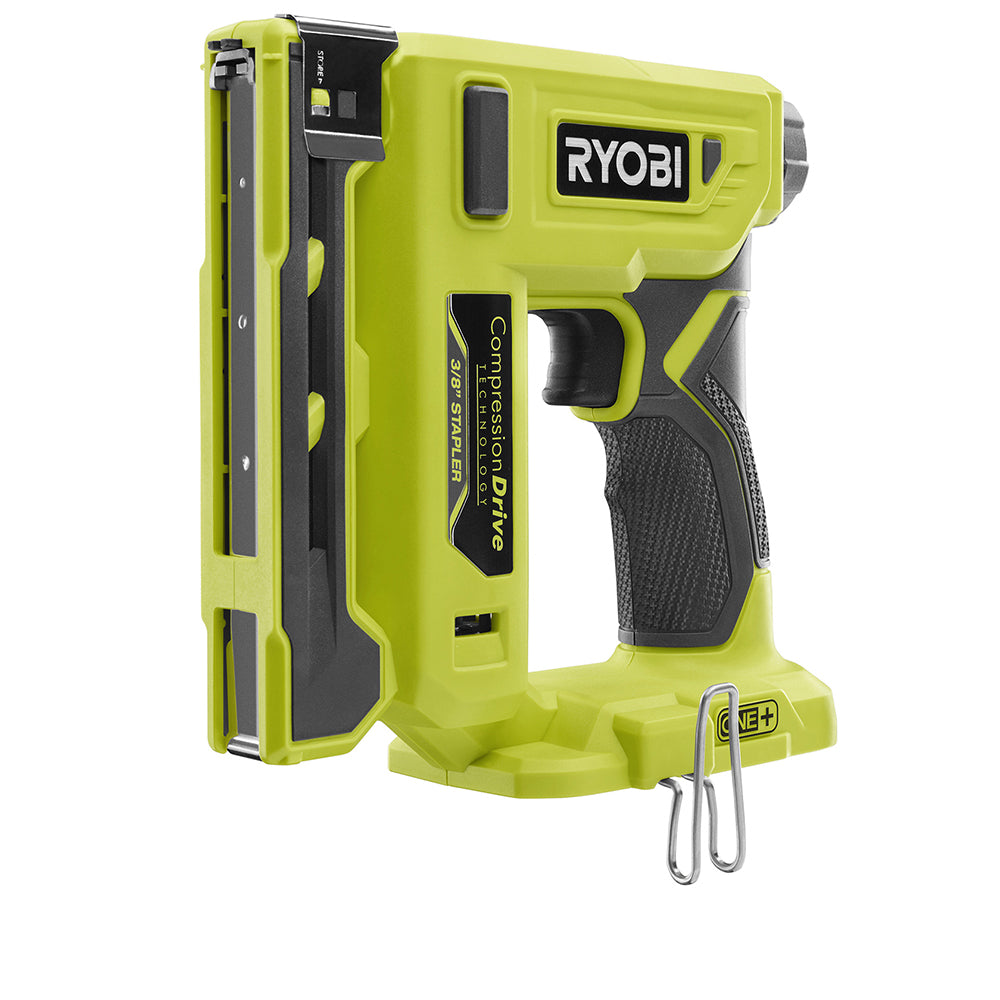
Choosing a cordless stapler for wire or fabric starts with the material, not the battery brand. Light upholstery and cable runs call for different staples, nose shapes and driving force. A tool that sinks staples neatly into plywood can crush a low-voltage cable or tear thin fabric if you use the wrong fastener or setting.
As an Amazon Associate we earn from qualifying purchases at no extra cost to you.


Match the tool to the job
For upholstery, a narrow-crown or upholstery stapler gives better access along seams and keeps the legs from showing as much. For wire, use a stapler made for cable work or a tool with an approved wire guide and compatible insulated staples. Do not use ordinary narrow-crown staples over cable: they can pierce insulation, even when the staple appears to sit beside the wire.
Check the tool’s manual for staple type, crown width and leg-length range before buying. Staples that look similar are not necessarily interchangeable. For fabric over a wood frame, 6–10 mm legs often suit thin material, while thicker layers or denser wood may need longer legs. For cable, follow the cable manufacturer’s guidance and local electrical rules; use fasteners sized to hold the cable without pinching it.
Quick comparison
| Tool category | Best use | Trade-off |
|---|---|---|
| Dedicated cordless cable stapler | Repeated runs of compatible low-voltage or electrical cable | Fast and consistent, but limited to specified staples and cable sizes |
| Cordless upholstery stapler | Fabric, trim and light assembly | Good control on soft materials; not a substitute for a cable-safe tool |
| Compact cordless tacker | Occasional fabric, labels and light-duty fastening | Usually cheaper and smaller, but may struggle in hardwood or with long staples |
| Manual stapler | Small jobs and a few staples at a time | Low cost and no battery upkeep; tiring for hundreds of shots |
When cordless is worth it
A cordless tool earns its keep when you are installing dozens or hundreds of fasteners, working overhead, or moving around a site without a convenient outlet. It also helps keep staple depth more consistent than a hand-powered tacker. For a single chair seat or a few cable clips, a manual stapler is often the better buy: it costs less, needs no charged battery, and is easy to control on delicate fabric.
Look beyond the tool’s firing rate. A compact battery may make the stapler lighter for overhead work, but check whether it is sold as a bare tool and whether your existing platform battery fits. If you already own compatible batteries and a charger, staying within that platform can reduce the real purchase cost. If not, compare the cost of the kit—not just the tool—and consider whether the battery will serve other cordless tools you use.
Features that matter in practice
Depth adjustment is useful because fabric thickness and wood hardness vary. Start at a shallow setting, then test on scrap with the same layers and backing. Increase depth in small steps until the crown sits flat without cutting the fabric. A staple that stands proud can snag; one driven too deep can split a frame, cut cloth, or deform wire insulation.
Also check for a dry-fire lockout, a contact safety, a clear staple magazine and a nose that lets you see the placement point. A narrow nose helps reach corners, but visibility matters more than a slim profile when working beside cable. Jam access should be tool-free or straightforward; bent staples and mixed fasteners are common causes of stoppages. Keep the magazine clean and use the staple size specified by the manufacturer.
Battery capacity affects weight and runtime, but staple guns generally use less energy per shot than high-draw saws. For a small upholstery job, a compact pack is usually adequate. For long installation days, a spare charged battery is more useful than choosing the largest, heaviest pack by default.
What to buy
If your main job is cable, start with a cordless cable stapler designed for the cable and staple sizes you use. Verify compatibility before ordering; “cable stapler” does not mean every model accepts every cable clip. For fabric and light upholstery, a cordless upholstery stapler is the more suitable category. If you only need to fasten fabric occasionally, a manual upholstery stapler is a sensible low-cost option.
Do not choose a tool because it advertises a high maximum staple length alone. Longer staples need more driving force and may be unsuitable for thin stock. Confirm that the tool accepts the crown and staple series you can readily buy locally. A bargain tool with proprietary or hard-to-find fasteners can become inconvenient after the included staples run out.
Avoid common failures
Test several shots on scrap before starting. If the staple bends, the wood may be too hard, the leg too long, or the tool underpowered for that combination. Try shorter staples or softer backing rather than repeatedly forcing the tool. If fabric puckers, reposition it under light tension and reduce depth; driving a staple harder will not correct poor fabric placement.
For cable, keep the fastener snug but not crushing, and inspect the full run for pinched or damaged insulation. Never staple over a cable where it crosses a sharp edge or where the fastener could enter a concealed wiring zone. If you are unsure whether a cable type or route can be stapled, stop and check the product instructions or applicable code. The right cordless stapler saves time; the wrong staple can turn a quick job into damaged fabric or an unsafe cable run.
Related guides
- Longest Lasting Lawn Mower Battery: AGM vs Lithium vs Flooded Lifespan and Cost per Season
- Duralast Gold Lawn Mower Battery Review: U1 Fit, CCA and When to Pay for AGM
- Greenworks Pro 80V 21-Inch Mower Review: Runtime Math, Push vs Self-Propelled and Yard Fit
- Bosch High Pressure Washer Gun Replacement: Fittings, Adapters and What Fits Your Model