What's inside
As an Amazon Associate I earn from qualifying purchases. This post may contain affiliate links at no extra cost to you.
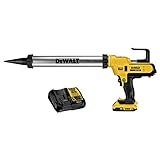
Thick construction adhesive, polyurethane sealant, roofing compound, and two-part epoxy can turn a basic caulking job into a hand-strength test. A manual applicator costs less and works without charging, but it may require sustained force that becomes tiring or causes uneven beads. A cordless caulking gun applies the same material with a motor and gear mechanism, giving you better control over long runs and high-viscosity products.
The right choice depends less on the brand name than on the adhesive package, the required thrust, and how much material you need to dispense. For one short repair, a good manual gun is often enough. For repeated work or large construction jobs, a cordless tool can pay for itself in cleaner application and less fatigue.
As an Amazon Associate we earn from qualifying purchases at no extra cost to you.



How Thick Adhesives Change the Choice
Viscosity is the main issue. A thin acrylic caulk flows easily through a small nozzle, while polyurethane sealant or heavy-duty adhesive requires much more pressure. A narrow nozzle also raises resistance, especially if you cut the opening too small or the product has started curing in the tip.
Manual guns are usually rated by their thrust ratio. A basic 5:1 gun suits lightweight acrylic and painter’s caulk. A 10:1 or 12:1 tool is a better general-purpose choice. For thick adhesive, look for a 18:1, 24:1, or higher ratio. These figures describe mechanical advantage, not a guaranteed performance standard, so frame rigidity and trigger quality still matter.
A cordless gun produces thrust through a motor and gearbox. Many models offer selectable speed, a variable-speed trigger, and an adjustable clutch or pressure-control system. Those features matter because the tool must push hard enough to move the adhesive without continuing to force material out after you release the trigger.
Cordless Gun vs. Manual Applicator
| Factor | Cordless caulking gun | Manual applicator |
|---|---|---|
| Best use | Long runs, thick products, repeated work | Small repairs and occasional jobs |
| Operator effort | Low; the motor supplies the thrust | Moderate to very high with thick adhesive |
| Control | Excellent when speed control and anti-drip work properly | Direct feedback, but depends on hand strength and consistency |
| Typical cost | Higher, especially without an existing battery | Low |
| Portability | Good, but requires a charged battery | Always ready |
| Common failure | Dead battery, stripped drive parts, electronic faults | Bent frame, broken plunger, hand fatigue |
For a single tube of adhesive, the cheaper choice is normally the sensible one. A sturdy high-thrust manual gun costs little, fits in a toolbox, and has no battery to maintain. It is also easier to feel when the tube is empty or the nozzle is blocked.
A cordless tool becomes more useful when you are installing baseboards, bonding panels, setting windows, applying subfloor adhesive, or dispensing several tubes in one session. It reduces hand fatigue and makes it easier to maintain a consistent bead. That consistency can prevent voids beneath trim or excessive squeeze-out around panels.
What to Look for in a Cordless Caulking Gun
Start with the package formats you use. Standard 10-ounce cartridges are common, but some jobs use 20-ounce sausage packs or bulk containers. A gun that accepts only standard cartridges will not automatically handle sausage packs. Check the included barrel, plunger, and conversion parts before buying.
For thick adhesives, prioritize maximum thrust over cosmetic features. A tool rated around 1,000 pounds of thrust is suitable for many demanding cartridge products, while heavier-duty models may advertise substantially more. Ratings are not directly comparable between brands, but a very low-thrust caulking gun may stall or drain its battery quickly with cold construction adhesive.
Variable speed is more useful than a high top speed. Thick material usually needs a slow, controlled feed. A fast gun can empty a cartridge before you move the nozzle far enough, creating a lumpy bead and wasted adhesive. An adjustable clutch or electronic pressure control can also reduce blowouts when a nozzle suddenly clears.
Automatic anti-drip is valuable, but do not rely on it completely. Some adhesive will continue to ooze because of pressure trapped inside the cartridge. Release the trigger, pull the tool back slightly, and wipe the nozzle. A manual reverse mechanism or selectable retract distance is preferable to a gun that only claims to stop the flow.
If you already own batteries from a platform, buying a compatible bare tool is usually the best value. Compare cordless caulking guns sold as bare tools within that system. Buying a new battery and charger for one occasional caulking job can cost more than the work warrants.
When a Manual Applicator Is the Better Tool
Choose a manual gun when the job is short, the adhesive is moderate in viscosity, or you need maximum simplicity. Look for a steel frame, a smooth plunger rod, a comfortable trigger, and a positive hook or handle. A rotating barrel helps keep the cartridge aligned while you work around corners.
For thick products, avoid flimsy open-frame guns. Their frames can flex, wasting trigger movement and making it harder to maintain pressure. A high-thrust manual caulking gun with a 24:1 thrust ratio is a better low-cost option. It still requires effort, but the mechanical advantage is substantially better than a basic 5:1 model.
Manual guns also offer better readiness in cold or remote locations. There is no motor to protect from dust, no battery to warm, and no electronic control that can fail. For a homeowner who uses adhesive only a few times per year, that simplicity is a real advantage rather than a compromise.
Avoiding Common Application Failures
Warm the adhesive to normal room temperature before dispensing. Cold adhesive can require far more thrust than its label suggests. Cut the nozzle only as large as necessary; a larger opening lowers resistance but makes a wide, harder-to-control bead. Pierce the inner seal fully, since a partially opened seal can mimic a weak caulking gun.
Do not force a blocked cartridge until the frame bends or the motor stalls. Stop, remove the cartridge, and clear cured material from the nozzle. With a cordless model, prolonged stalls can heat the motor and drain the battery. With a manual model, excessive force can bend the plunger rod or break the cartridge’s rear end.
Match the purchase to the workload. For occasional repairs, buy a robust manual high-thrust applicator and spend the savings on fresh adhesive. For daily installation work or repeated thick-material jobs, choose a battery-powered variable-speed caulking gun that matches your existing battery platform. The cordless tool is justified when reduced fatigue, faster production, and consistent beads matter more than the lowest upfront cost.
Related guides
- Longest Lasting Lawn Mower Battery: AGM vs Lithium vs Flooded Lifespan and Cost per Season
- Duralast Gold Lawn Mower Battery Review: U1 Fit, CCA and When to Pay for AGM
- Greenworks Pro 80V 21-Inch Mower Review: Runtime Math, Push vs Self-Propelled and Yard Fit
- Bosch High Pressure Washer Gun Replacement: Fittings, Adapters and What Fits Your Model