What's inside
As an Amazon Associate I earn from qualifying purchases. This post may contain affiliate links at no extra cost to you.
A cordless ratchet is a fast way to run a nut down in a cramped spot, but its motor can keep turning after a fastener feels seated. That can strip threads, snap a small bolt, or crush a gasket. The safest routine is to use the tool for speed, then finish by hand with a torque wrench when the joint has a specified torque.
What a cordless ratchet does—and doesn’t do
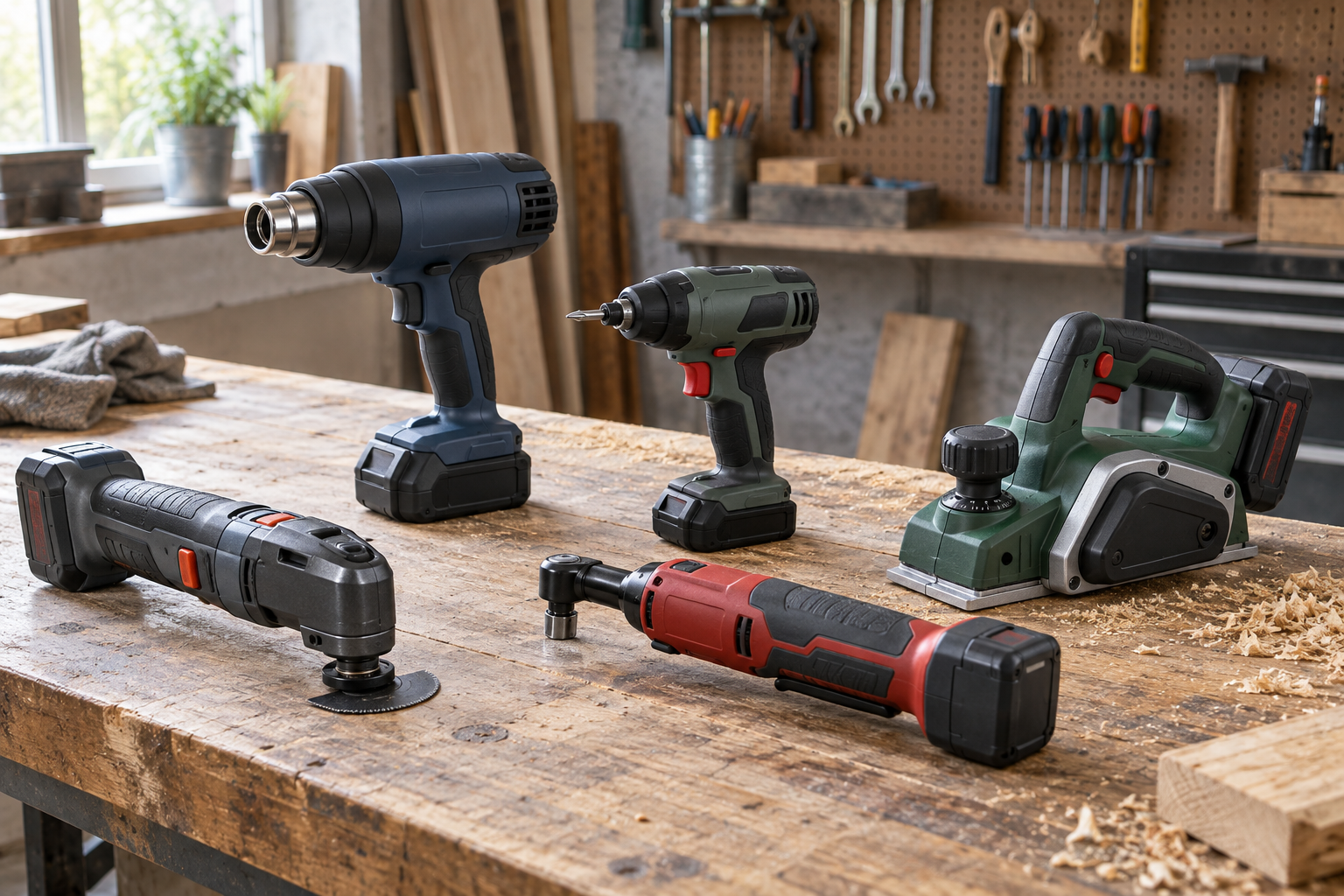
A cordless ratchet turns a socket using a small motor and a ratcheting head. Most are designed to run fasteners in or out, not to measure final torque. Even a model with a speed trigger or multiple speed settings does not control tightening force with the precision of a torque wrench.
Torque depends on more than the tool’s advertised power: battery charge, trigger pressure, socket fit, thread condition, and how long you hold the trigger all matter. A bolt that turns freely can be driven down quickly; a bolt that binds can be damaged before you notice. Treat the ratchet as a powered spinner, not a calibrated tightening tool.
Use a two-step tightening routine
Start every fastener by hand. Turn it several full rotations before using power. If it resists early, stop and check alignment, thread damage, and whether you have the right fastener. Driving a cross-threaded bolt with a ratchet can ruin the mating threads in seconds.
Once the fastener is correctly engaged, run it down with short trigger pulls. Ease off as the parts come together; do not keep pressing after the fastener seats. For a joint with a specified torque, finish with a torque wrench set to the manufacturer’s value. Hold the ratchet head steady while you work so the socket stays square and does not slip off the fastener.
For jobs without a torque specification, use judgment rather than a long trigger pull. Small screws, soft metals, plastic housings, and thin brackets need especially light contact. If a fastener has a locknut, sealing washer, or crush washer, follow the relevant service instructions; “tight enough by feel” is not a reliable substitute where the joint is safety-critical.
Choose a ratchet that suits the work
Head clearance, drive size, battery platform, and speed control are often more useful than maximum torque. A compact 1/4-inch ratchet is easier to place around small hardware, while a 3/8-inch drive suits a broader range of automotive and general repair sockets. Neither size makes the tool a torque wrench.
If you already own batteries in a brand’s cordless platform, a bare tool can be a practical buy. If you are starting from scratch, compare the kit price, battery size, charger, and the brand’s other tools you might use. A smaller battery can reduce bulk in a tight engine bay, but may run down sooner during repeated work.
For occasional light-duty work, a basic cordless ratchet is usually enough. Paying more for a compact head, variable-speed trigger, or slimmer body can be worthwhile when access is tight or you use the tool often. Browse cordless ratchets by drive size and head dimensions, not just by claims about power.
Ratchet versus hand tools for final tightening
| Tool | Best use | Over-tightening risk |
|---|---|---|
| Cordless ratchet | Running down correctly started fasteners in confined spaces | High if you hold the trigger after seating |
| Hand ratchet | Controlled tightening when the torque is judged by feel | Lower, but still possible on small or delicate fasteners |
| Torque wrench | Final tightening to a specified torque | Low when correctly set and used within its range |
A hand ratchet is the cheaper option if you only have a few fasteners to do or want more feel at the end of tightening. A torque wrench is the right addition for wheel hardware, engine work, and other joints where the manufacturer gives a torque value. You can use the cordless ratchet to save time and switch tools for the final step.
Avoid the mistakes that damage fasteners
Do not use the ratchet to break loose a fastener that is heavily seized. The tool may stall, damage its internal mechanism, or twist the fastener without freeing it. Use a suitable hand tool or breaker bar first. Likewise, do not use an extension or adapter that lets a socket wobble; a poor fit can round the fastener head.
Keep fingers clear of pinch points around the ratchet head, especially when working near brackets or body panels. The head can rotate unexpectedly as the tool reacts against a tight fastener. If the tool binds, release the trigger before repositioning it. Never hold the socket against a fastener while changing direction with the trigger pressed.
Use clean, undamaged sockets that fit the fastener snugly. A worn socket can slip, while an impact-rated socket is not necessary simply because a tool is powered; match the socket to the tool and job. If you need more control, practice on spare hardware of the same size and material before working on a valuable assembly.
Battery and control considerations
A fresh battery can make a ratchet feel more eager, but a nearly depleted pack is not a safe way to limit torque. Output can change as the battery drains, and the tool may still damage a fastener before slowing down. Use the trigger deliberately instead of relying on battery state or a low-speed setting.
For frequent work on small hardware, look for a variable-speed trigger and a manageable head profile. A compact variable-speed cordless ratchet can make it easier to approach a fastener gently, though it still cannot confirm final torque. If precision matters, spend the money on a suitable torque wrench rather than expecting a pricier ratchet to replace one.
When a fastener feels unusually tight before it seats, stop. Check for crossed threads, corrosion, a wrong-length bolt, or parts that are not aligned. The pause is quicker and cheaper than repairing stripped threads or replacing a broken fastener.
Related guides
- Longest Lasting Lawn Mower Battery: AGM vs Lithium vs Flooded Lifespan and Cost per Season
- Duralast Gold Lawn Mower Battery Review: U1 Fit, CCA and When to Pay for AGM
- Greenworks Pro 80V 21-Inch Mower Review: Runtime Math, Push vs Self-Propelled and Yard Fit
- Bosch High Pressure Washer Gun Replacement: Fittings, Adapters and What Fits Your Model