What's inside
As an Amazon Associate I earn from qualifying purchases. This post may contain affiliate links at no extra cost to you.
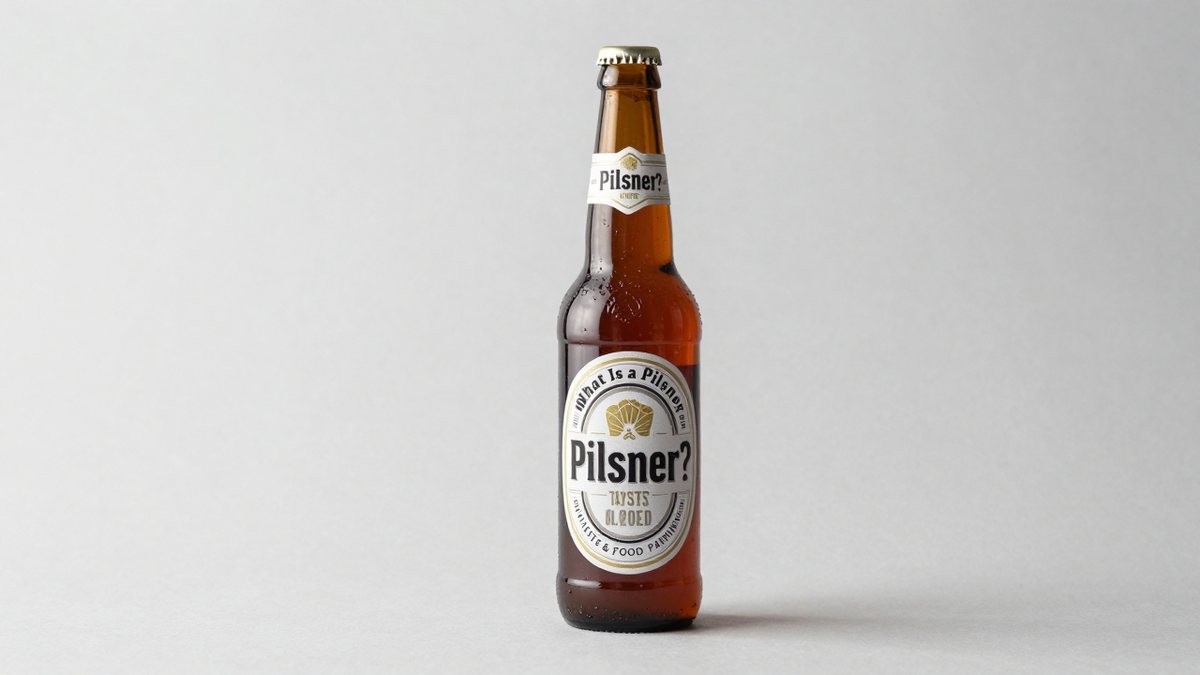
A pilsner is a pale, bottom-fermented lager defined by its crisp malt structure, pronounced noble-hop character, and extended cold lagering that creates its clean, dry finish and brilliant clarity.
As an Amazon Associate we earn from qualifying purchases at no extra cost to you.


Our Top Picks

How Pilsner Gets Its Character: Lagering and Hop Profile
Unlike ales that ferment warm and fast with top-fermenting yeast, pilsners use bottom-fermenting lager yeast (Saccharomyces pastorianus) at cool temperatures, then undergo weeks of cold storage. That process is what separates a true pilsner from any other pale lager.
Cold Fermentation and Lagering
Pilsner wort is fermented at 48-55°F (9-13°C) for 7-12 days, then lagered — from the German word lagern, to store — at 32-39°F (0-4°C) for 4 to 12 weeks. This slow, cold maturation does three things product listings and taproom menus rarely explain:
- Sulfur clean-up: Cold conditioning allows yeast to reabsorb diacetyl and acetaldehyde, preventing buttery or green-apple off-flavors.
- Protein and polyphenol drop-out: Chill haze particles precipitate, which is why classic pilsners are brilliantly clear without filtration.
- Flavor smoothing: Harsh hop bitterness rounds and malt flavors integrate, leaving that signature snap rather than a rough bitter bite.
A pilsner lagered for only 2 weeks will taste sharper and more sulfury. Traditional Czech breweries lager for 6-12 weeks, which explains their softer mouthfeel despite higher bitterness.
The Hop Profile That Defines Pilsner
Hops are not an accent in a pilsner — they are the point of difference. All classic pilsners rely on noble or noble-type hops: Saaz, Hallertau Mittelfrüh, Tettnang, and Spalt. These varieties are low in alpha acids (3-5.5%) but high in aromatic oils, especially humulene and farnesene, which deliver floral, spicy, herbal, and slightly peppery notes rather than the citrus or pine of American hops.
Pilsner hopping happens in three additions: a bittering charge at the start of the boil for structure, a flavor addition with 20-15 minutes left, and often a late aroma addition. The result is not just bitterness, but hop flavor and aroma that you can smell before you sip. Czech pilsners emphasize Saaz throughout, German pilsners tend to use Hallertau/Tettnang for a more herbal, dry bitterness, and modern styles may blend Old World and New World hops while keeping the IBU inside the pilsner range.
Czech vs. German vs. Modern Pilsner: A Head-to-Head Comparison
These three categories cover 90% of what you will find labeled as pilsner, pils, or Pilsener in the US and Europe in 2026. The differences are not subtle — they affect bitterness, malt sweetness, body, and when you would reach for each one.
| Specification | Czech Pilsner (Světlý Ležák) | German Pils (Deutsches Pils) | Modern / Italian & American Craft Pilsner |
|---|---|---|---|
| ABV Range | 4.2% – 5.2% | 4.6% – 5.3% | 4.6% – 5.5% |
| Bitterness (IBU) | 30 – 45 | 22 – 40 | 25 – 45 |
| Color (SRM / EBC) | 3.5 – 6 SRM / 7-12 EBC (deep gold) | 2 – 5 SRM / 4-10 EBC (pale straw to gold) | 2 – 5 SRM / 4-10 EBC (pale to gold) |
| Malt Character | Rounded, bready, light honey, Moravian malt sweetness | Lean, crackery, biscuity, very dry finish | Dry and crisp, often with a hint of cracker; Italian-style is notably dry-hopped |
| Hop Character | Prominent Saaz: spicy, floral, peppery; firm but rounded bitterness | Firm, herbal, slightly bitter snap; more bitterness than hop aroma | Aromatic: floral, citrus peel, or lemongrass if dry-hopped; clean bitter tail |
| Water Profile | Very soft, low sulfate (Plzeň water) | Moderately hard, higher sulfate accentuates dryness | Varies; often softened to mimic Czech or German |
| Carbonation | Medium, 2.3-2.6 vol CO2 | High, 2.5-2.8 vol CO2 | High, 2.5-2.9 vol CO2 |
| Ideal Serving Temp | 42-46°F (5.5-8°C) | 38-42°F (3-5.5°C) | 38-44°F (3-7°C) |
| Classic Examples (Style Reference) | Pilsner Urquell, Budvar, Kozel Premium | Bitburger, Jever, König Pilsener, Warsteiner | Tipopils (Birrificio Italiano), Firestone Walker Pivo, pFriem Pilsner |
What That Means in the Glass
Czech: The malt arrives first — soft bread dough and light honey — then Saaz hops build with spicy florals and a lingering, rounded bitterness. Medium body, never heavy. The finish is bitter but not astringent.
German: Drier and more austere. You notice high carbonation, lean cracker malt, and a distinct herbal bitterness that snaps the finish clean. Less hop aroma than Czech, more perceived dryness.
Modern / Italian-style: Created in the late 1990s by Agostino Arioli at Birrificio Italiano, this dry-hopped pilsner keeps German-style dryness but adds late dry-hopping with noble hops for pronounced aroma — often described as jasmine, white pepper, or lemon zest. American craft versions may use German malts but add techniques like dry-hopping or using short cold fermentations with high-quality lager yeast.
Taste Profile: How to Identify a Good Pilsner
A well-made pilsner should hit four markers simultaneously:
- Appearance: Brilliant clarity, deep white foam that clings as lacing, steady stream of fine bubbles.
- Aroma: Fresh bread crust, light malt sweetness, and hop spice/florals. No corn-like dimethyl sulfide, no buttery diacetyl, no apple-like acetaldehyde.
- Flavor balance: Malt sweetness on the entry, hop bitterness in the middle, and a dry, clean finish where bitterness lingers 10-20 seconds without harshness.
- Mouthfeel: Medium-light body, medium-high carbonation that scrubs the palate. Alcohol should be invisible.
Common faults to watch for: a pilsner that tastes sweet and heavy likely was fermented too warm or under-lagered; one that tastes papery or cardboard-like is oxidized from age or heat exposure — pilsners fade fastest of all lagers and are best within 90-120 days of packaging.
How to Serve Pilsner Correctly
Temperature and glassware change bitterness perception more than most drinkers expect.
- German Pils: Serve at 38-42°F (3-5.5°C) in a tall, slender pilsner glass or stange. Colder serving emphasizes crispness and tames bitterness.
- Czech Pilsner: Serve slightly warmer, 42-46°F (5.5-8°C), in a Czech dimpled mug (krýgl) or footed pokal. The extra few degrees release Saaz aroma and malt depth.
- Pour: Aim for 2-3 fingers of dense foam. The foam cap protects aroma, softens carbonation sting, and releases hop volatiles as it collapses. A forced fast pour that kills the head mutes the style.
- Storage: Keep refrigerated continuously at 36-40°F. Do not cellar pilsner. Light is its enemy — brown bottles and cans protect hop character far better than green or clear glass.
Food Pairings That Make Sense for Each Style
Pilsner’s combination of bitterness, carbonation, and low sweetness makes it one of the most food-versatile beers. Match intensity to intensity:
| Pilsner Style | Why It Works | Best Pairings | Pairings to Avoid |
|---|---|---|---|
| Czech Pilsner | Malt sweetness balances spice; higher bitterness cuts fat | Fried chicken, pork schnitzel, goulash, aged Gouda, roasted duck, garlic sausage | Extremely hot chilies that clash with Saaz pepper |
| German Pils | High carbonation and bone-dry finish scrub richness and salt | Grilled bratwurst, pretzels with mustard, fish and chips, sushi, soft pretzel with Obatzda, lemon-herb chicken | Heavy chocolate desserts that overpower leanness |
| Modern / Italian Pilsner | Aromatic dry-hop notes complement herbs and citrus | Prosciutto and arugula pizza, spring risotto, Thai basil dishes, ceviche, fresh mozzarella and tomato | Smoky BBQ with heavy char, which masks delicate aroma |
General rules that never fail: salty and fried foods love pilsner carbonation, spicy dishes are calmed by pilsner malt without adding sugary sweetness, and creamy sauces are cut by its hop bitterness. If you are serving a mixed platter, a Czech pilsner is the safest all-rounder; if the menu is light seafood or salads, choose German or modern.
Which Pilsner Should You Choose? A Decision Matrix
Use your actual preference and occasion, not just the label:
| If You Want / Your Situation | Choose This | Why |
|---|---|---|
| You like bitterness that lingers, with bready malt to balance it | Czech Pilsner | Highest IBU with malt support; most flavorful and forgiving at warmer temps |
| You want the driest, most refreshing beer for hot weather or with salty snacks | German Pils | Leanest body, highest carbonation, sharpest finish; best thirst-quencher |
| You love aromatic hops but not IPA-level intensity | Modern Italian-style Pilsner | Dry-hopped aroma without high alcohol or heavy bitterness; fragrant but still crisp |
| You are new to bitter beers or serving guests who prefer milder taste | German Pils at 22-28 IBU (e.g., Helles-adjacent Pils) | Lower end of German range drinks closer to a premium lager |
| You are cooking a rich, fatty meal and need a palate cleanser | Any Czech or German pils at 35+ IBU | Bitterness and CO2 reset the palate between bites better than low-IBU lagers |
FAQ
Is pilsner the same as lager?
All pilsners are lagers, but not all lagers are pilsners. Lager is the broad family of cold-fermented beers. Pilsner is a specific style of pale lager defined by noble hop character, high clarity, and dry, bitter finish. A Munich Helles or American light lager is also a lager but has far less hop bitterness and aroma.
Why is Czech pilsner more bitter than German pilsner sometimes?
Soft Plzeň water lets brewers use more hops without harshness, while Czech tradition uses a decoction mash that adds malt body to carry that bitterness. German brewing water often has more sulfate, which makes bitterness feel sharper and drier even at a slightly lower IBU.
Does pilsner have to be 4.8% ABV?
No. While many commercial examples cluster around 4.8-5.0%, the style allows 4.2-5.5%. Lower-ABV Czech pale lagers labeled výčepní (around 4.0%) drink like session pilsners but technically fall outside the classic designation.
How long does pilsner stay fresh?
Faster than almost any other style. Hop aroma fades and oxidation appears within 3-4 months, especially if stored warm or in light. For peak flavor, drink canned or brown-bottle pilsner within 90 days of packaging and keep it cold the entire time.