What's inside
As an Amazon Associate I earn from qualifying purchases. This post may contain affiliate links at no extra cost to you.
Choosing a Cordless Concrete Vibrator for Small Formwork
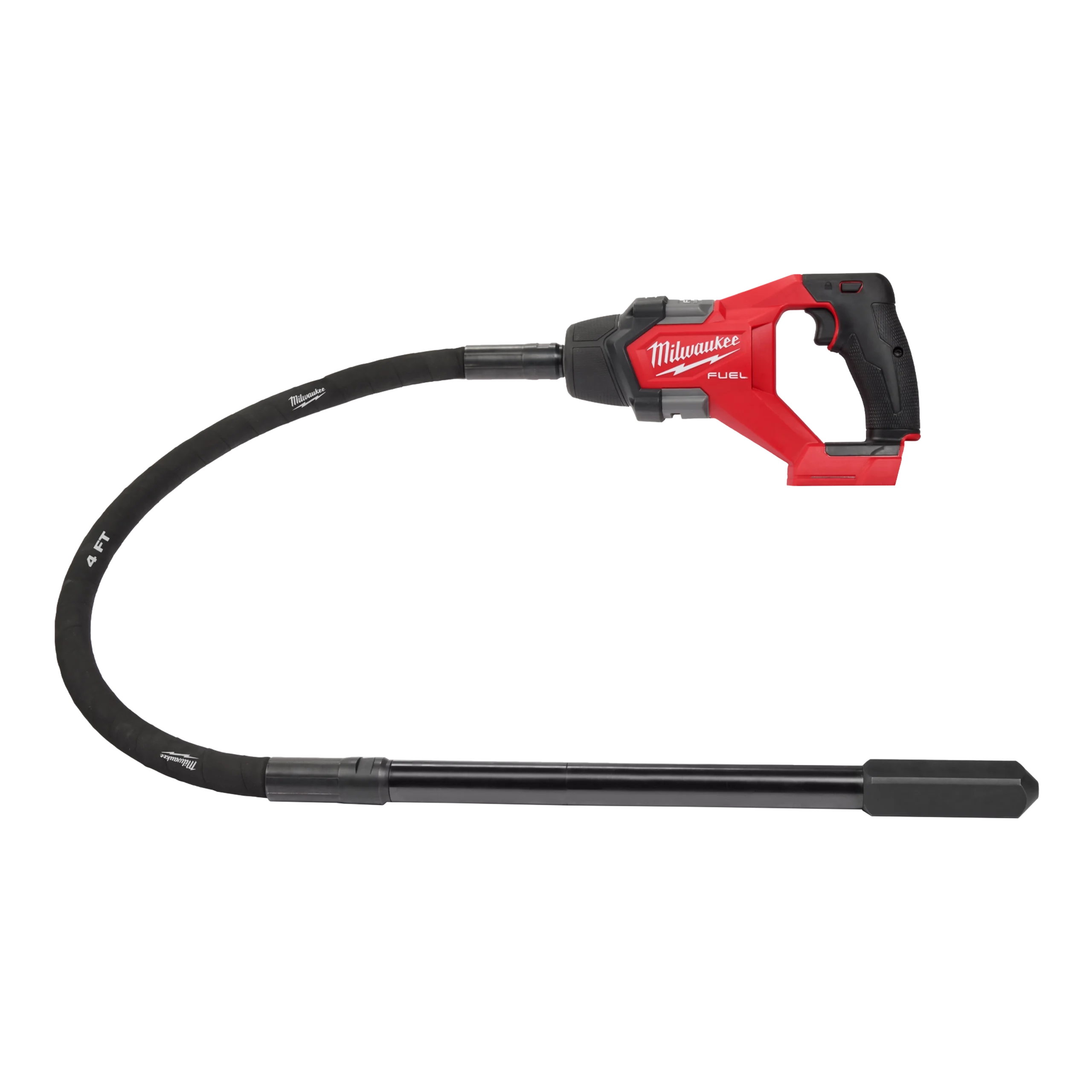
For small slabs, posts, steps, repair pours, and short walls, a cordless concrete vibrator is useful when running a generator or extension cord is more trouble than the pour itself. The main job is not to “mix” the concrete. It is to remove trapped air so the concrete flows around reinforcement, fills corners, and leaves fewer voids against the form.
For most small formwork, look for a pencil-style immersion vibrator with a head around 25 to 35 mm (1 to 1.4 inches) in diameter and a flexible shaft roughly 1 to 2 m (3 to 6.5 feet) long. Larger heads move more concrete but are harder to place accurately and can disturb forms or reinforcement. A cordless tool in this size range is generally enough for footings, posts, stair forms, and small walls.
As an Amazon Associate we earn from qualifying purchases at no extra cost to you.


Start with the battery platform you already own. The vibrator itself may be used for only a few minutes at a time, while the batteries and charger will also serve drills, saws, lights, and other tools. If you have no batteries yet, compare the cost of a complete kit rather than the bare tool price.
The Best Types for Small Pours
| Type | Best use | Main advantage | Main drawback |
|---|---|---|---|
| Battery pencil vibrator | Posts, small walls, slabs, footings | Portable and quick to set up | Limited runtime and usually less power than corded equipment |
| Corded pencil vibrator | Several small pours near an outlet | Continuous runtime and often lower purchase cost | Extension cords are awkward around wet concrete |
| Concrete vibrator attachment | Occasional light-duty work | Cheaper if you already own the power unit | More exposed moving parts and less convenient handling |
A dedicated battery vibrator is the cleanest option when forms are spread around a site or there is no reliable power. A cordless concrete vibrator is also easier to move from one form to the next than a corded unit, particularly when placing concrete from a mixer or wheelbarrow.
Battery Platform and Runtime
Do not judge a vibrator by advertised battery runtime alone. Runtime varies with concrete slump, how deeply the head is immersed, and whether the trigger is held continuously. Vibration is usually applied in short insertions, so a battery can last through a surprisingly large amount of concrete. For a small repair or a few fence-post forms, a 4.0Ah or 5.0Ah battery is a sensible minimum. A 2.0Ah pack is lighter but may run down before a larger pour is finished.
High-output batteries are not automatically necessary. A larger pack can provide steadier performance and reduce voltage sag, but it also makes the tool tiring to hold. Keep a charged spare nearby rather than stopping mid-pour to wait for a charger. Charging a typical 4.0Ah pack can take roughly 30 to 60 minutes, depending on the charger and battery system.
If you already use one brand of cordless tools, staying on that platform is usually cheaper overall. Buying a second charger, two batteries, and a new set of tools just to get a vibrator rarely makes financial sense for occasional work. Search for a tool-only cordless vibrator if you have compatible batteries; otherwise, price a kit with battery and charger included.
Head Size and Shaft Length
A 25 mm head is easier to fit between closely spaced rebar and into narrow post forms. A 32 mm head gives faster consolidation in ordinary footings and walls, provided there is enough room around the steel. Avoid choosing a large head simply because it appears more powerful. If it cannot reach the bottom without binding against the reinforcement, it will perform worse than a smaller tool.
A 3-foot shaft suits small columns and shallow slabs. A 6-foot shaft is more versatile for wall forms and deep footings, but it is heavier and easier to snag. The shaft should bend smoothly without sharp kinks. A damaged flexible shaft can transmit excessive vibration to the operator and may fail during a pour.
How to Vibrate Concrete Correctly
Place concrete in lifts rather than filling a tall form all at once. For typical small formwork, lifts of about 12 to 18 inches are manageable. Insert the vibrator vertically into the fresh concrete, allowing the head to sink under its own weight. Leave it in one spot for roughly 5 to 15 seconds, then withdraw it slowly so the hole closes behind the head.
Space insertions about 12 to 18 inches apart, with some overlap between vibration zones. On a second lift, penetrate a few inches into the previous lift to knit the layers together. Watch for air bubbles rising to the surface and a slight sheen of cement paste. Stop when the concrete settles; excessive vibration can separate aggregate from paste, especially in a high-slump mix.
Do not use the vibrator to push concrete horizontally across a form. That can segregate the mix and overload the shaft. Use a shovel or concrete rake to distribute the material, then vibrate it in place.
Failure Modes and Buying Checklist
The most common failure is running out of battery before the concrete is consolidated. The second is using a head that is too large for the reinforcement layout. Other problems include forcing the vibrator into stiff concrete, bending the shaft sharply, and leaving the head running against empty air. Dry running creates heat and can damage the eccentric mechanism.
Before buying, check for a sealed or protected switch, a shaft that can be replaced, a comfortable grip, and clear battery compatibility. A variable-speed trigger is helpful when working around light forms, although a simple on-off design is adequate for occasional footings. Look for a battery position that stays above splashing concrete and a tool that can be cleaned without directing water into the motor housing.
For very occasional use, a corded concrete pencil vibrator can be the cheaper and better choice if power is close to the work. If the pour is larger than a small residential job, or the concrete is heavily reinforced, renting a commercial vibrator may deliver more reliable performance than buying a light-duty cordless unit.
Related guides
- Longest Lasting Lawn Mower Battery: AGM vs Lithium vs Flooded Lifespan and Cost per Season
- Duralast Gold Lawn Mower Battery Review: U1 Fit, CCA and When to Pay for AGM
- Greenworks Pro 80V 21-Inch Mower Review: Runtime Math, Push vs Self-Propelled and Yard Fit
- Bosch High Pressure Washer Gun Replacement: Fittings, Adapters and What Fits Your Model