What's inside
As an Amazon Associate I earn from qualifying purchases. This post may contain affiliate links at no extra cost to you.
Choosing a Cordless Tile Cutter for Renovation Work
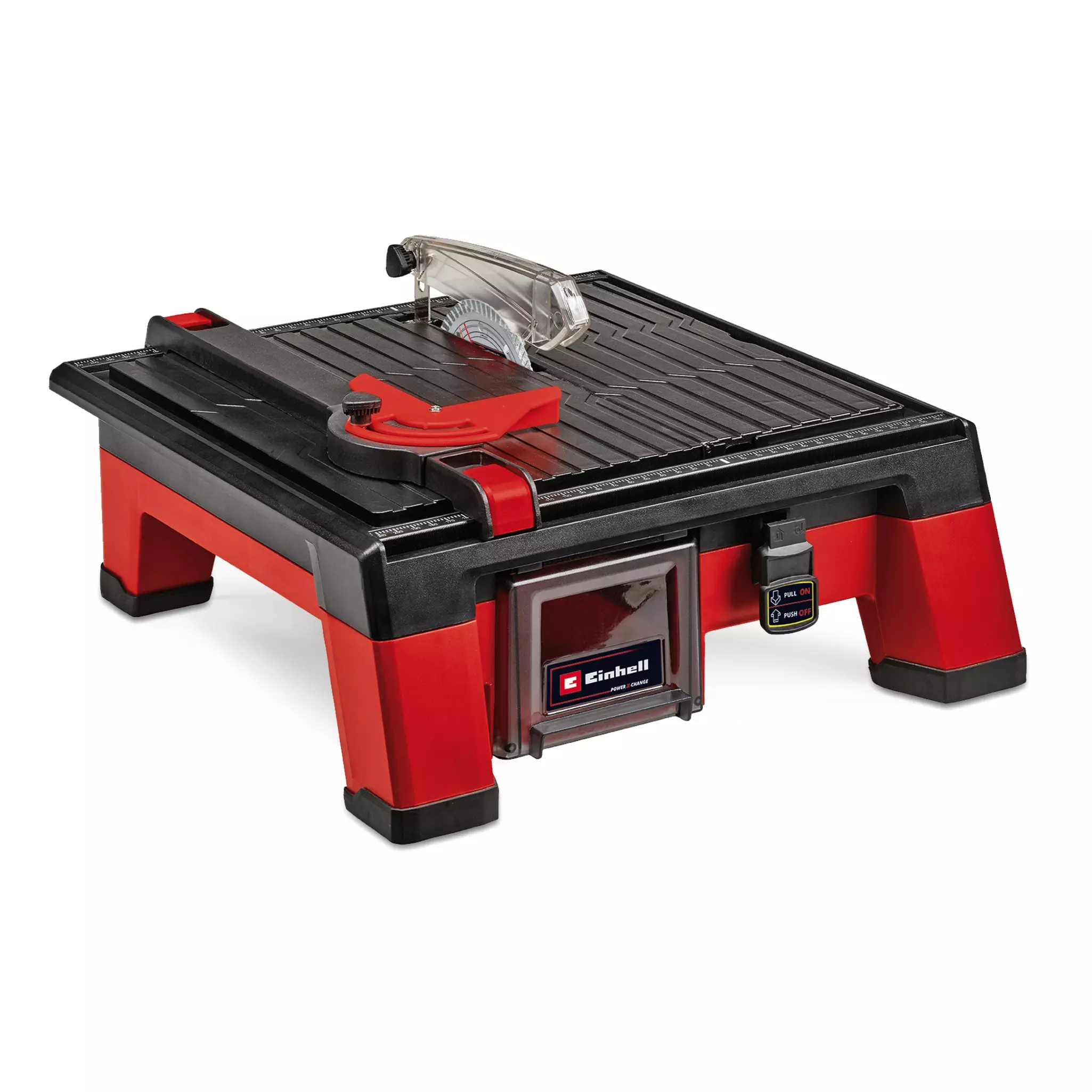
A cordless tile cutter makes sense when you are working in an occupied house, outdoors, or anywhere running water and an extension cord is awkward. The most useful type is a cordless wet saw: a small table saw with a diamond blade, water tray, and battery motor. It cuts porcelain, ceramic, glass, and many natural stones more cleanly than a grinder.
The trade-off is straightforward. Cordless wet saws cost more than corded versions, use batteries quickly, and usually have less cutting capacity. They are excellent for bathroom floors, kitchen backsplashes, and repair work, but a corded saw is still the better choice for a large floor installation with hundreds of cuts.
As an Amazon Associate we earn from qualifying purchases at no extra cost to you.

What to Look For
Start with cutting capacity. Check the maximum straight cut, diagonal cut, and material thickness. A saw that handles a 20-inch straight cut may only manage a 14-inch diagonal cut. Large-format tile often exceeds both figures, requiring a rail saw, angle grinder, or a different layout.
Battery voltage is less important than the complete system. High-output packs generally maintain blade speed better under load, but they are heavy and expensive. A 5.0Ah battery may be enough for backsplash work; a 8.0Ah or larger pack is more practical for porcelain floor tile. Expect roughly 20 to 40 minutes of active cutting from a large pack, depending on tile hardness, blade condition, and how continuously you work. The battery lasts longer when you mark and stage several cuts before switching on the saw.
Water management matters as much as motor power. Look for a tray that is easy to remove, a pump that can be cleaned, and guards that limit spray. A shallow tray will need frequent refilling, while a dirty pump causes weak water flow and overheats the blade. Keep a bucket of clean water available rather than repeatedly recirculating slurry.
For most renovation work, a 4- to 5-inch diamond blade is compact and manageable. The blade must be rated for the saw and the material. A general-purpose continuous-rim porcelain blade is a safer starting point than a cheap segmented blade, which can chip glazed tile and is often intended for dry cutting.
Cordless Wet Saw Options Compared
| Type | Best use | Main advantage | Main limitation |
|---|---|---|---|
| Compact cordless wet saw | Backsplashes, bathrooms, small floors | Portable and low mess compared with a grinder | Limited cut length and small water tray |
| Cordless rail-style wet saw | Longer straight cuts and porcelain | Better accuracy and capacity | Heavier, costlier, and battery-hungry |
| Cordless angle grinder with diamond blade | Notches, curves, demolition, edge trimming | Handles shapes a table saw cannot | Dust, chipping, less control, and more cleanup |
| Manual score-and-snap cutter | Repeated straight cuts in suitable tile | Fast, quiet, and uses no battery | Weak on hard porcelain, narrow strips, and complex cuts |
For a small renovation, the best purchase is often a cordless wet saw from the battery platform you already own. If you have no compatible batteries, compare the price of the saw kit, charger, and two usable packs—not just the bare tool price. A second battery prevents the job from stopping while the first pack charges.
Browse cordless wet tile saws by battery platform and verify the voltage before ordering. Tool brands sometimes use similar names for different battery families, and a charger from one range may not charge packs from another.
Battery Platform and Charger Decisions
Staying on one platform has real value. A battery used on a tile saw can also run a drill, impact driver, light, vacuum, or oscillating tool. That matters during renovation work because tile cutting is only one part of the job. If you already own several packs, a bare tool is usually the economical choice.
Do not plan on using a small 2.0Ah compact battery for heavy porcelain cutting unless the manufacturer specifically supports it. It may run the saw, but voltage will sag sooner and the pack can become hot. High-output batteries cost more, but they generally deliver steadier performance and tolerate repeated high-current use better.
Fast chargers are useful but not mandatory. A standard charger may refill a large pack in several hours, so schedule charging during layout, adhesive work, or overnight. Keep batteries away from the wet cutting area, set the charger on a dry surface, and inspect packs for cracked housings or damaged contacts.
When a Grinder Is the Better Tool
A cordless angle grinder is useful for L-shaped cuts around pipes, curved cuts around toilets, and trimming tile after installation. It is not a direct replacement for a wet saw. Dry cutting creates respirable silica dust, and even a dust shroud and vacuum are not a substitute for proper ventilation and respiratory protection.
Use a wet saw for visible edges whenever possible. A grinder can leave a rougher edge and is more likely to chip the glaze, particularly on porcelain. Make relief cuts inside waste areas, keep the blade moving, and avoid forcing it through the tile. For a small number of notches, buying a cordless grinder with a tile diamond blade may be cheaper than buying a wet saw.
A Cutting Method That Avoids Common Failures
Measure every piece from the actual installation surface; walls and corners are rarely square. Mark the glazed face with a pencil or wax marker, then test the first cut on a spare tile. Set the fence carefully and support long tile on both sides of the blade. Feed porcelain slowly enough that the motor does not labor, but do not pause halfway through a visible cut, which can create a crooked line.
Most failures come from a dull or unsuitable blade, insufficient water, or trying to cut too quickly. If the blade wanders, the tile may be unsupported or the arbor may be dirty. If the edge chips badly, dress or replace the blade and use masking tape over the cut line. Let the saw and pump cool between batches, clean slurry from the tray, and dry the tool before storage.
For occasional ceramic tile work, a manual cutter plus a compact grinder is often the cheaper and faster combination. Choose a cordless wet saw when you need cleaner edges, are cutting hard porcelain, or want to work without dragging a cord through a finished room.
Related guides
- Longest Lasting Lawn Mower Battery: AGM vs Lithium vs Flooded Lifespan and Cost per Season
- Duralast Gold Lawn Mower Battery Review: U1 Fit, CCA and When to Pay for AGM
- Greenworks Pro 80V 21-Inch Mower Review: Runtime Math, Push vs Self-Propelled and Yard Fit
- Bosch High Pressure Washer Gun Replacement: Fittings, Adapters and What Fits Your Model