
What's inside
- What Is Included in a Drill and Impact Driver Set?
- Drill vs. Impact Driver: What Is the Difference?
- How to Choose the Best Drill and Impact Driver Set
- Which Drill and Impact Driver Set Is Right for You?
- How to Use a Drill and Impact Driver Set Safely
- Common Mistakes When Buying a Drill and Impact Driver Set
- Frequently Asked Questions
- Final Verdict
As an Amazon Associate I earn from qualifying purchases. This post may contain affiliate links at no extra cost to you.
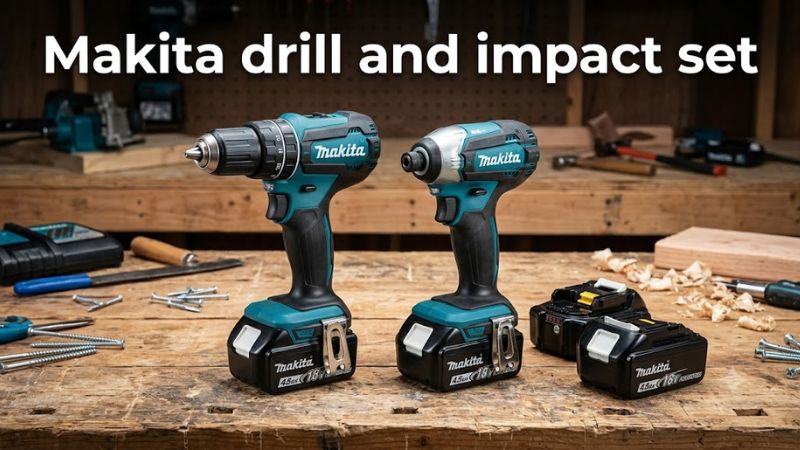
A drill and impact driver set is a practical choice for homeowners, DIY enthusiasts, and contractors who need to drill holes and drive screws efficiently. The drill/driver handles hole-making and controlled fastening, while the impact driver is designed for repetitive or higher-resistance fastening tasks.
For most homeowners, a cordless combo kit with a variable-speed drill/driver, an impact driver, compatible batteries, and a charger is a sensible starting point. The best choice depends on the materials you work with, how frequently you use the tools, and which accessories your projects require.
What Is Included in a Drill and Impact Driver Set?
A typical combo kit contains two tools with different functions. Exact package contents vary by model and retailer.
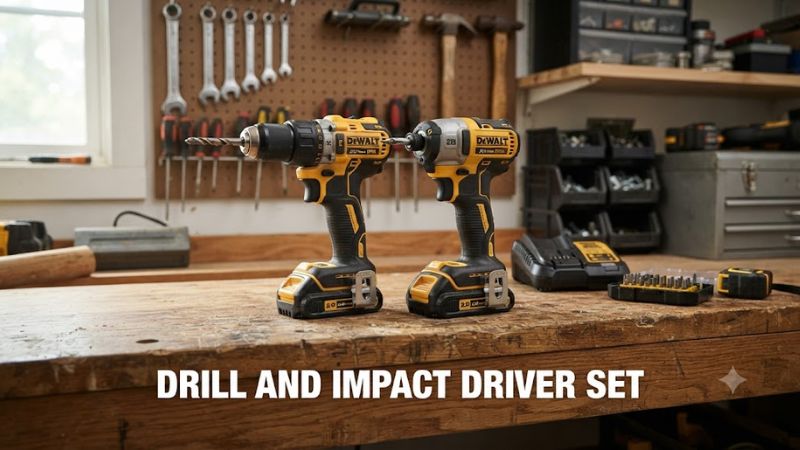
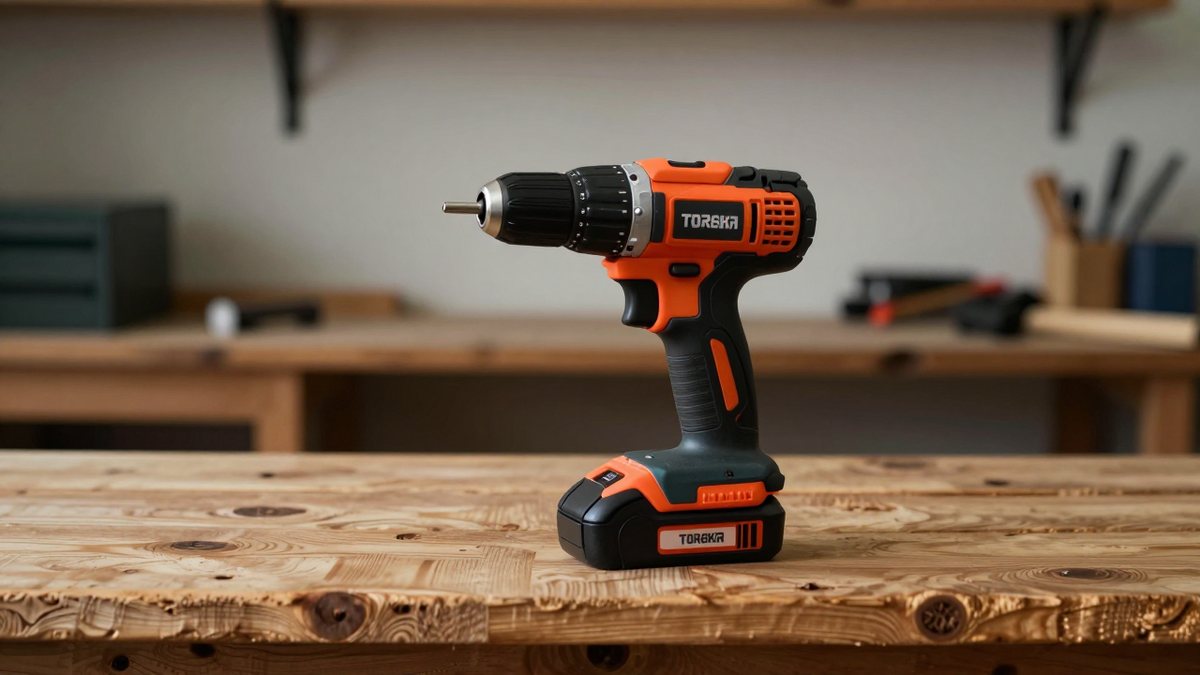
- Drill/driver: Makes holes in compatible materials and drives screws. An adjustable clutch on many models helps control fastening force.
- Impact driver: Uses repeated rotational impacts to help drive screws and other compatible fasteners when resistance increases.
- Batteries and charger: Supply power to compatible cordless tools. Check the exact kit because some packages exclude batteries or chargers.
- Case or bag: Helps with storage and transport when included.
- Accessories: Some kits include drill bits and driver bits, but these should not be assumed to come with every package.
Drill vs. Impact Driver: What Is the Difference?
The main difference is how the tools deliver rotational force and hold accessories. A drill/driver is generally more versatile for drilling and controlled fastening. An impact driver is particularly useful for repetitive screw driving and suitable heavy-duty fastening applications.
| Feature | Drill/driver | Impact driver |
| Primary purpose | Drilling and general fastening | Repetitive and demanding fastening |
| Accessory holder | Usually a keyless three-jaw chuck | Usually a 1/4-inch hex quick-change collet |
| Torque delivery | Continuous rotation | Rotation plus repeated impacts |
| Fastening control | Often has an adjustable clutch | Usually relies on trigger control and electronic modes |
| Common applications | Pilot holes, furniture, general repairs | Long screws, decking, framing |
| Main limitation | May be less efficient for demanding fastening | Less suitable for precise drilling and delicate fastening |
When should you use a drill/driver?
Use the drill/driver for drilling pilot holes, making holes in wood or metal with suitable bits, assembling furniture, installing hardware, and driving small screws where precise control matters.
Its adjustable clutch can help prevent overtightening. Start with a low setting on scrap material and increase it gradually until the fastener is installed correctly.
When should you use an impact driver?
An impact driver is useful for installing numerous screws, driving long screws into suitable lumber, building fences and decks, and handling compatible fasteners that require more turning force.
High torque can still damage screw heads, workpieces, and threaded components. Choose the appropriate bit and use controlled trigger pressure.
Can an impact driver replace a drill?
Not completely. Some impact drivers can drill using compatible hex-shank drill bits, but a conventional drill/driver is generally easier to control for accurate hole-making.
If you can afford only one tool initially, a drill/driver is usually the more versatile option for general household repairs. Add an impact driver when your projects involve frequent or demanding fastening.
How to Choose the Best Drill and Impact Driver Set
1. Choose the right battery platform
- 12V class: Often suitable for household repairs, cabinetry, light assembly, and confined spaces.
- 18V/20V MAX class: Commonly suitable for general DIY, remodeling, woodworking, and many professional applications.
- Higher-capacity batteries: Store more energy at the same nominal voltage but generally add weight and cost.
The 18V and 20V MAX labels can reflect different voltage-rating conventions rather than fundamentally different battery classes. Compare the exact tool specifications and compatibility documentation.
Battery capacity is measured in amp-hours (Ah). Watt-hours (Wh), when provided, indicate stored energy more directly.
Watt-hoursNominalvoltsAmp-hours
For example, a nominal 18V, 5Ah battery stores approximately 90Wh. This does not guarantee a particular runtime because workload, tool efficiency, battery condition, and operating conditions all matter.
2. Check the drill’s chuck and drilling capability
| Feature | What to consider |
| Chuck size | Common sizes include 3/8 inch and 1/2 inch |
| Variable-speed trigger | Helps control drilling and fastening |
| Gear selection | Lower gearing generally favors controlled, higher-torque work; higher gearing favors faster drilling |
| Adjustable clutch | Helps limit overtightening |
| Hammer-drilling mode | Useful for suitable masonry applications when supported |
Chuck size indicates the shank diameter the chuck is designed to accept; it does not independently establish maximum hole size. Check the manufacturer’s drilling capacities for the material and accessory involved.
3. Understand torque, speed, and impact rate
These specifications describe different aspects of tool operation.
- Torque: Rotational turning force, commonly stated in Nm or in-lb.
- RPM: Revolutions per minute, describing rotational speed.
- IPM: Impacts per minute, describing the frequency of the impact mechanism’s blows.
- Electronic modes: May change speed, impact behavior, or fastening response.
Do not rank tools by maximum torque alone. Manufacturers may use different measurement methods, and maximum advertised torque does not represent performance under every working condition.
For general DIY, prioritize a drill with an adjustable clutch and an impact driver with a controllable trigger or useful electronic modes.
4. Compare batteries and included accessories
Before purchasing, confirm:
- How many batteries are included.
- The capacity of each battery.
- Whether a compatible charger is included.
- Whether the package contains a case or bag.
- Which drill bits and driver bits are supplied.
- Whether the tools are sold as a complete kit or as bare tools.
A two-battery kit can be convenient for extended projects, allowing one battery to charge while the other is in use. If you already own compatible tools, purchasing bare tools may be more economical.
Always verify the exact battery family and charger compatibility before reusing equipment from an existing collection.
5. Consider weight and ergonomics
Compare the tools with their intended batteries attached. A lighter bare tool may weigh considerably more once a battery is installed.
Consider handle comfort, trigger control, balance, LED lighting, and the ability to work in confined spaces. Compact tools may be easier to handle overhead, while larger models may offer capabilities better suited to demanding workloads.
6. Choose the correct accessories
| Accessory | Main purpose | What to check |
| Drill-bit set | Making holes | Material suitability, shank size, and hole diameter |
| Driver-bit set | Driving screws | Correct bit profile and size |
| Impact-rated driver bits | Fastening with an impact driver | Intended use with impact tools |
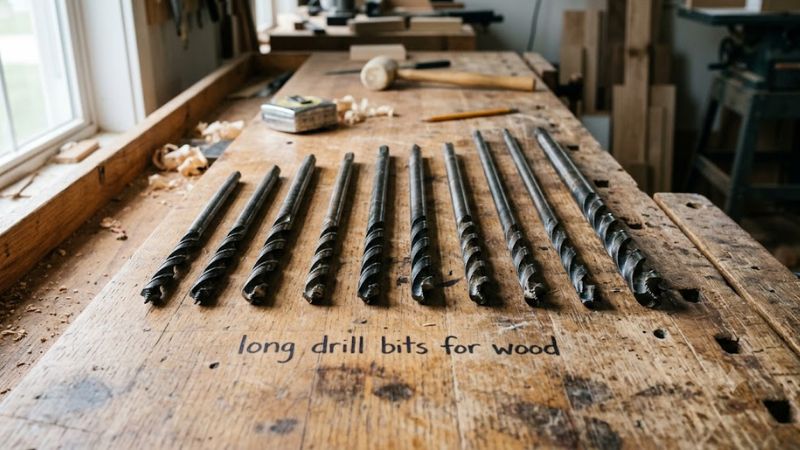
| Hex-shank drill bits | Drilling with compatible impact drivers | Tool and bit compatibility |
| Masonry bits | Drilling suitable masonry | Whether the tool supports the required drilling mode |
Never assume every drill bit is suitable for an impact driver. Follow the accessory and tool manufacturers’ instructions.
7. Calculate total ownership cost
Compare the complete purchase rather than the headline price alone. Include batteries, chargers, accessories, warranty terms, and the cost of expanding your tool collection later.
Confirm the exact kit number and package contents before comparing offers. A bare-tool price is not directly comparable to the price of a complete kit.
Which Drill and Impact Driver Set Is Right for You?
| User or project | Recommended configuration |
| Occasional home repairs | Compact cordless combo kit |
| Furniture and cabinetry | Drill with adjustable clutch; impact driver as needed |
| DIY woodworking | General-purpose drill/driver and impact driver with compatible batteries |
| Decking, fences, and framing | Capable cordless platform with suitable batteries and impact-rated accessories |
| Frequent remodeling | Platform with accessible batteries, chargers, and service support |
| Overhead work and tight spaces | Compact tools with manageable battery weight |
For beginners, prioritize control, comfort, and versatility rather than maximum torque. Woodworkers should focus on accurate drilling and suitable accessories. Construction users should consider sustained workload, tool capabilities, battery availability, and the manufacturer’s fastening recommendations.
For structural connections, follow the fastener manufacturer’s installation instructions and applicable project specifications. A tool’s torque rating does not replace the required fastening procedure.
How to Use a Drill and Impact Driver Set Safely
Both tools use rotating accessories and can cause injury if a bit catches, a fastener slips, or the workpiece moves unexpectedly.
- Read the tool manual. Confirm compatible accessories, battery requirements, operating modes, and safety instructions.
- Wear appropriate protective equipment. Use eye protection, and assess whether hearing protection, dust controls, or respiratory protection are needed.
- Secure the workpiece. Use clamps or another suitable method rather than holding unstable material by hand.
- Inspect accessories. Do not use damaged, worn, or incompatible bits.
- Remove the battery before changing bits. Wait until the tool has stopped completely before making adjustments.
- Check for hidden utilities before drilling walls. Take appropriate precautions for concealed electrical wiring and plumbing.
- Maintain a stable grip. Keep the bit aligned, apply controlled pressure, and avoid forcing the tool.
- Stop if the bit binds or the tool behaves abnormally. Disconnect power when safe and consult the manual or qualified service personnel as appropriate.
Never bypass safety features or use accessories beyond their rated speed. Keep hands away from rotating parts and avoid loose clothing or jewelry that could become entangled.
Common Mistakes When Buying a Drill and Impact Driver Set
- Choosing by torque alone: High torque does not guarantee precision or suitability for delicate work.
- Ignoring package contents: Batteries, chargers, and accessories may be sold separately.
- Assuming batteries are interchangeable: Check compatibility for the exact tool and battery models.
- Using an impact driver for every task: A drill/driver is generally better for accurate hole-making and controlled fastening.
- Buying incompatible bits: Confirm shank dimensions, material suitability, and impact rating where applicable.
- Ignoring weight with the battery attached: This can matter during overhead work or extended use.
- Expecting every drill to handle masonry: Check for a suitable hammer-drilling function and documented capacity.
Frequently Asked Questions
Is a drill and impact driver set worth buying?
Yes, if you regularly need to drill holes and drive screws. The drill handles general drilling and controlled fastening, while the impact driver is useful for repetitive or demanding screw-driving tasks. Occasional users may find a drill alone sufficient.
Can I use the same battery for both tools?
Yes, if both tools belong to a compatible battery platform and the battery is approved for each exact model. Confirm compatibility using manufacturer documentation rather than relying on brand name or physical fit alone.
Do I need an impact driver for home DIY?
Not necessarily. A drill/driver handles many household repairs, furniture assembly, and shelving projects. An impact driver becomes more useful when you frequently install long screws, build decks or fences, or perform repetitive fastening.
Should I buy a 12V or 18V/20V MAX combo kit?
Choose a 12V-class kit when compact size and handling are priorities for light-duty work. Consider an 18V/20V MAX-class kit for broader DIY workloads and more demanding fastening. Compare the exact tools’ capabilities, weight, battery capacity, and intended applications before deciding.
Final Verdict
A drill and impact driver set is a versatile starting point for a cordless tool collection. The drill/driver provides flexibility for hole-making and controlled fastening, while the impact driver adds convenience for more demanding screw-driving work.
For most DIY users, prioritize a comfortable drill with an adjustable clutch, a controllable impact driver, compatible batteries, and a clearly specified package.
Before buying, verify the exact kit number, specifications, warranty, and included accessories. Choose a combination that suits your projects instead of paying extra for maximum advertised torque you may rarely need.
Write Your Review
No reviews yet. Be the first to share your experience!