What's inside
As an Amazon Associate I earn from qualifying purchases. This post may contain affiliate links at no extra cost to you.
Choose the right tool for the cable
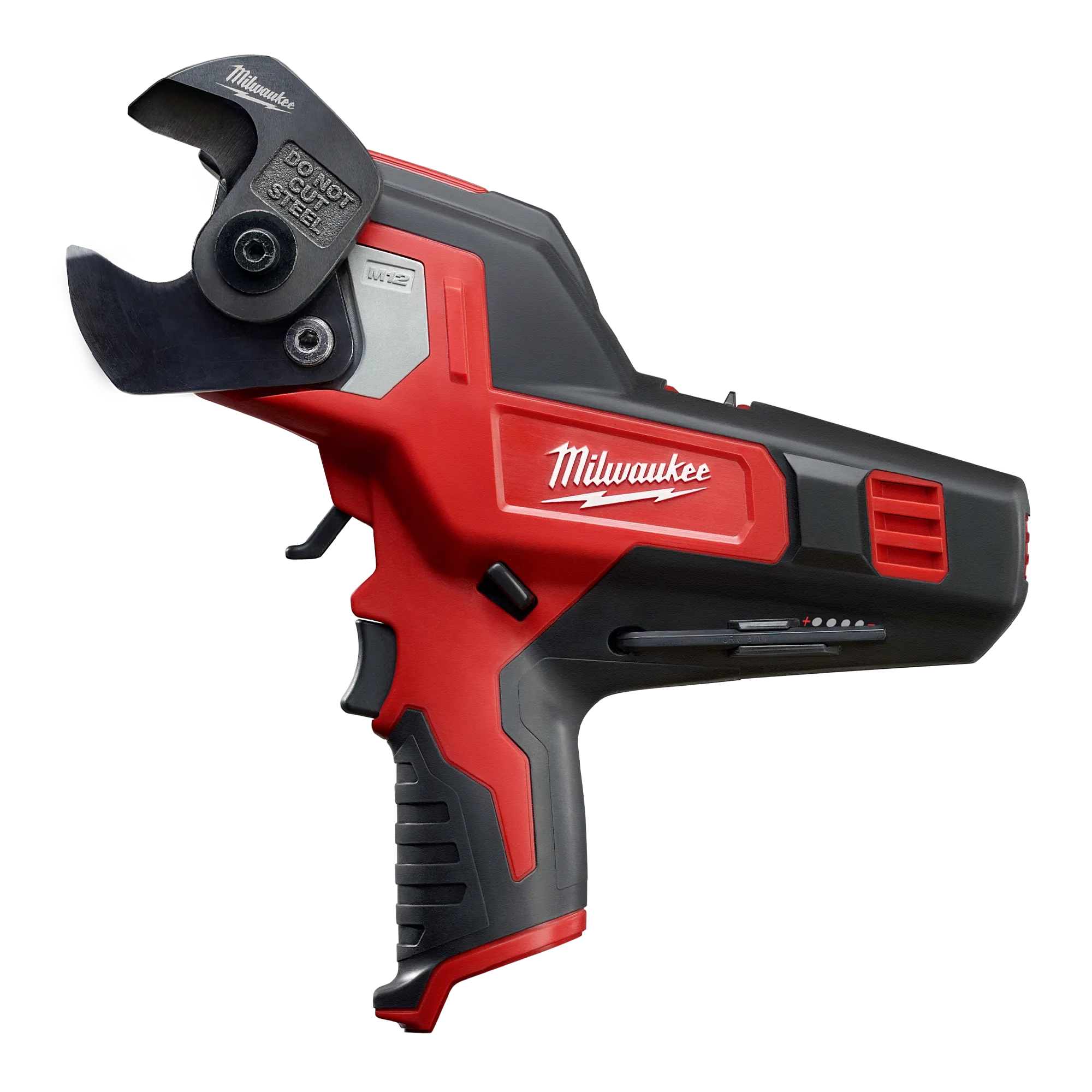
A cordless cable cutter is worth buying when you make repeated cuts in large copper conductors, work in locations without convenient power, or need to avoid the hand strain of ratcheting through a tough cable all day. For occasional cuts in smaller wire, a manual ratcheting cutter is cheaper, lighter, and often easier to control.
First check the cable’s actual construction and diameter, then compare it with the cutter’s rated capacity. “Copper cable” covers everything from flexible building wire to thick, compact conductors and stranded battery cable. A tool rated for one type or size may not cut another cleanly. Never use a cable cutter on energized conductors; isolate the circuit and verify it is de-energized before cutting.
As an Amazon Associate we earn from qualifying purchases at no extra cost to you.


Best options by job
| Job | Best fit | Main trade-off |
|---|---|---|
| Occasional cuts on smaller copper cable | Manual ratcheting cable cutter | Low cost, but each cut takes hand effort |
| Repeated cuts on cable within a listed cordless tool’s capacity | Cordless ratcheting cutter | Fast and consistent, but heavier and more expensive |
| Large conductors or difficult access | High-capacity cordless cutter with a suitable jaw opening | More capability, weight, and cost; check the exact cable rating |
| Mixed work across a battery platform | Cutter compatible with batteries you already own | Platform savings can be offset by buying an adapter or bare tool |
For a broad search, compare cordless ratcheting cable cutters for copper by their published capacity, jaw design, battery system, and service support—not by a headline maximum alone.
What to check before buying
Capacity and cable type: Look for the manufacturer’s stated maximum diameter and conductor type. A capacity listed for copper does not automatically apply to aluminum, armored cable, or steel wire rope. Stranded copper can compress as the blade closes; a tool that can make a cut may still leave a mashed end if the cable is beyond its intended range. If you handle several cable sizes, check the ratings for each rather than assuming the largest figure covers all of them.
Cut quality: A sharp, well-supported blade should sever strands without leaving a long, angled tail or badly flattening the insulation. Ratcheting heads advance the blade in stages, which helps on thicker cable and reduces the need to force a single stroke. But the cut can still be rough if the cable is poorly positioned, the blade is dull, or the cable exceeds the tool’s rating. Inspect the end before fitting a lug or terminal; trim it again if strands are damaged or uneven.
Jaw opening and access: Capacity is only useful if the cable fits into the jaws where you need to work. Compare the opening with the outside diameter of the insulated cable, not just the copper conductor. A bulky head may struggle in a crowded panel or tray even when its cutting capacity is ample. Check tool weight with the battery attached, since overhead or one-handed work makes that difference noticeable.
Battery platform and support: If you already own compatible batteries, a bare tool can be the economical choice. If not, include the cost of the battery and charger in the comparison. Cordless cutter availability varies across major platforms, so confirm that the exact tool is supported by the manufacturer in your region. For a tool used on critical jobs, also check replacement blade availability, warranty terms, and whether service is local.
Cordless or manual?
A cordless cutter makes sense when speed and repeatability matter: for example, a crew cutting many lengths of the same feeder cable, or an installer working across several rooms without a bench vise. It also reduces repeated squeezing compared with a manual ratchet. The trade-off is a heavier head, more parts to maintain, and a much higher purchase price.
A manual ratcheting cutter is usually fine for occasional work, modest cable sizes, and a small tool bag. It does not need charging, is easier to carry, and gives the user direct control over each ratchet stroke. If a manual tool requires extreme force, binds, or starts crushing rather than cutting, stop. The cable may exceed its rating, the blade may be damaged, or the tool may be the wrong design. Do not compensate with a pipe extension; that can damage the cutter and create a sudden release.
Consider manual ratcheting cable cutters if your cuts are infrequent and the cable is within the tool’s published limit. The cheaper tool is not a compromise when it suits the workload.
How to get clean cuts
De-energize and verify the cable, then support it so it cannot sag or twist as the blade closes. Keep fingers clear of the jaws, especially with a powered ratcheting head. Place the cable squarely in the cutting area and let the tool complete its cycle; do not twist the cutter to hurry the cut. If the motor stalls, the blade pauses repeatedly, or the cut face is visibly flattened, release the trigger and reassess rather than forcing it through.
After cutting, inspect the copper strands and insulation. For fine-stranded cable, gather and align loose strands before terminating; do not hide damaged strands inside a lug. Clean the blade and jaw area after dirty work, and follow the manufacturer’s guidance for inspection or blade replacement. A cordless cutter that is used near its maximum capacity will place more demand on the battery and cutting mechanism than one used well within its rating.
Make the buying decision
Choose a cordless tool when you regularly cut cable that falls within its verified rating, already use its battery platform, and value reduced effort enough to justify the price and weight. Choose manual for occasional, smaller jobs. For large conductors, compare the exact cable type and diameter against the manufacturer’s capacity chart before ordering; if the chart is unclear, ask the manufacturer or distributor rather than guessing from product photos. A correctly sized cutter and a square, supported cut matter more than extra battery voltage.
FAQ
Cordless or manual?
Related guides
- Longest Lasting Lawn Mower Battery: AGM vs Lithium vs Flooded Lifespan and Cost per Season
- Duralast Gold Lawn Mower Battery Review: U1 Fit, CCA and When to Pay for AGM
- Greenworks Pro 80V 21-Inch Mower Review: Runtime Math, Push vs Self-Propelled and Yard Fit
- Bosch High Pressure Washer Gun Replacement: Fittings, Adapters and What Fits Your Model