What's inside
As an Amazon Associate I earn from qualifying purchases. This post may contain affiliate links at no extra cost to you.
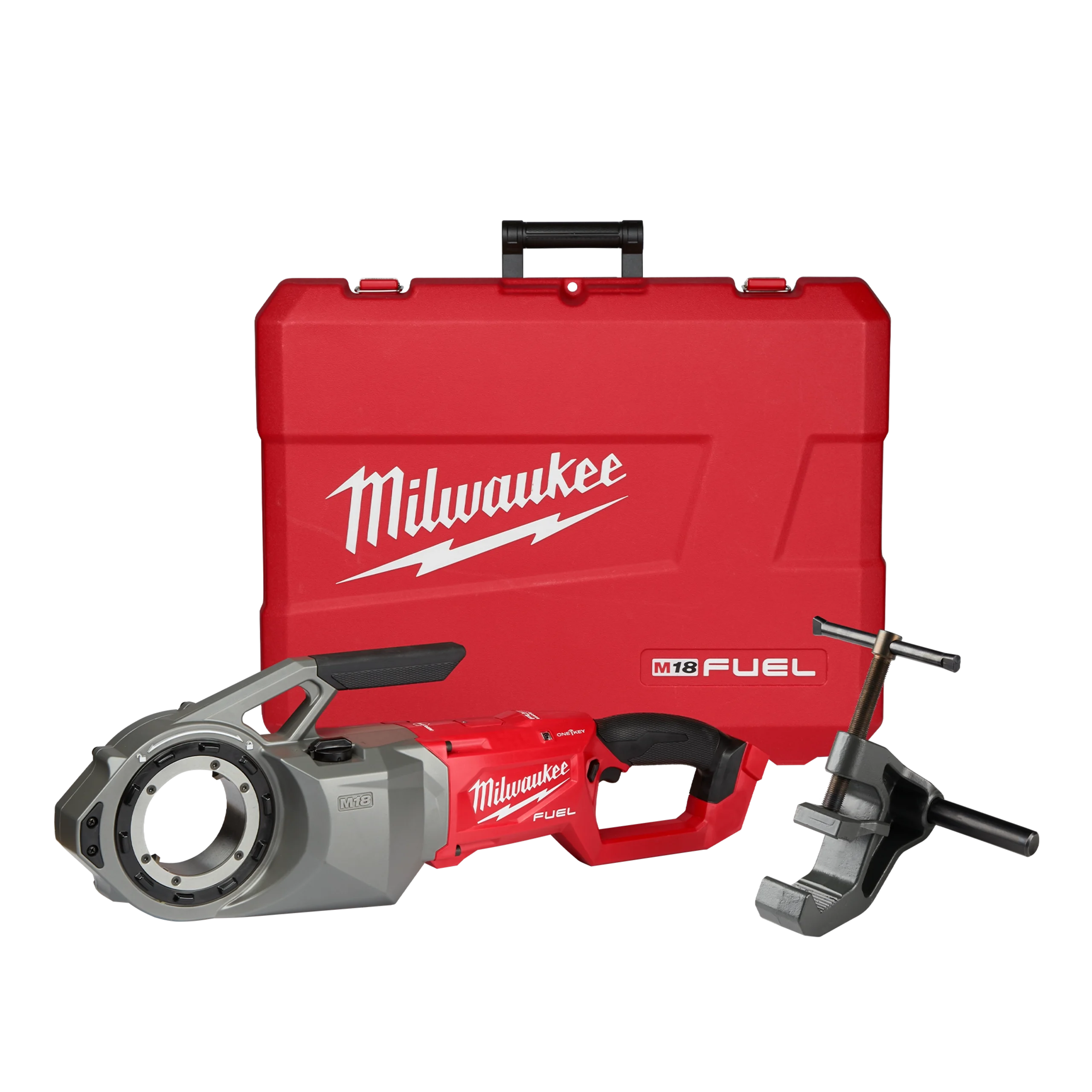
Choosing a cordless pipe threader
A cordless pipe threader is useful when the job involves repeated threaded connections and dragging a cord or setting up a stationary machine would slow the work. It is not automatically the best choice for every repair. For one or two threads, a hand ratchet can cost less, fit tighter spaces, and avoid the weight and reaction force of a powered tool.
Before comparing tools, confirm the pipe material, outside diameter, thread standard and required thread sizes. Many powered kits are aimed at common steel pipe sizes, but included dies and supported sizes vary. Do not assume a tool that threads one nominal pipe size will accept every die or adapter in that range. Check the manufacturer’s specifications and whether the kit includes the dies you need.
As an Amazon Associate we earn from qualifying purchases at no extra cost to you.



Cordless versus manual and stationary tools
For occasional maintenance, a manual pipe threader set is often the economical option. It needs no battery and can be easier to control in cramped locations, but cutting several threads by hand takes effort and time. A stationary threading machine makes more sense for a shop producing many threads or handling large pipe regularly; it is heavier and requires a stable work area.
A cordless unit sits between those choices: portable and faster than hand threading, but expensive compared with a ratchet. It also needs room for the tool body, die head, pipe support and the tool’s reaction arm. In a crowded cabinet or close to a wall, those clearance needs can matter more than the motor.
Which setup fits the work?
| Setup | Best fit | Main trade-off |
|---|---|---|
| Manual ratchet threader | Occasional repairs and short runs | Low purchase cost; high hand effort |
| Cordless pipe threader | Repeated field work without a nearby outlet | Fast and portable; tool and battery add weight |
| Stationary threading machine | Shop work and frequent production | High throughput; bulky and less portable |
For frequent field work, compare cordless pipe threaders by supported pipe sizes, included die heads, weight and service availability—not just advertised torque or battery voltage. A high-capacity battery can add useful runtime, but it also makes an already substantial tool heavier. If you already own a compatible battery platform, a bare tool may lower the cost. Verify compatibility carefully: batteries from different brands, and sometimes different tool families within one brand, are not interchangeable.
What to check before buying
Capacity and dies: Match the manufacturer’s stated range to your actual pipe, and verify the dies are for the thread standard your fittings require. A missing die set can erase the apparent savings of a bare tool. Check replacement-die availability too; worn or damaged dies affect thread quality.
Reaction control: Threading creates strong rotational force. The tool’s support arm or equivalent restraint must be fitted and used as directed. Never assume that gripping the tool body or bracing it against your leg is an adequate substitute. Keep hands clear of pinch points, secure the workpiece, and follow the manual’s instructions for the specific setup.
Oil and chip control: Use cutting oil appropriate to the material and tool, and manage chips so they do not foul fittings or enter a system. Dry cutting or feeding too aggressively can overheat the dies, produce rough threads and shorten die life. Inspect the finished thread, clean it, and confirm the fitting engages correctly. Do not use a powered threader on pipe or materials outside its stated application.
Battery and service: Ask how many threads the maker expects per charge under stated conditions, if it publishes that figure; real runtime changes with pipe size, material, die condition and technique. A spare battery is valuable on a full workday, less so for an occasional repair. Look for available replacement dies and a clear repair path before committing to a platform-specific tool.
Common failure modes
Short or damaged threads can come from a dull die, poor alignment, insufficient cutting oil or a pipe that moves while cutting. Stop if the tool binds, chatters unusually or the pipe shifts; forcing it can damage the workpiece and create a sudden reaction. Check that the die head is seated correctly and that the pipe is supported as the manual specifies.
Battery trouble is usually a planning issue rather than a reason to choose a larger platform blindly. Cold conditions, old packs and repeated heavy cuts can reduce useful runtime. Bring a charged spare for production work, and keep the charger and batteries in a dry, temperature-appropriate location. Do not rely on an adapter to make an incompatible pack safe or supported.
A practical buying choice
Buy cordless if you regularly make multiple threads on site, need to move between work areas, and can justify the tool, dies and battery investment. Choose a manual ratchet if threading is infrequent, the pipe sizes are modest and saving money or fitting into tight spaces matters more than speed. If you are setting up a shop for sustained volume, compare stationary machines rather than expecting a handheld cordless tool to replace production equipment.
For any option, the right die, secure pipe support, cutting oil and careful inspection matter as much as the drive source. If the connection is part of a regulated gas, pressure or life-safety system, follow applicable codes and have the work handled or checked by a qualified professional.
Related guides
- Longest Lasting Lawn Mower Battery: AGM vs Lithium vs Flooded Lifespan and Cost per Season
- Duralast Gold Lawn Mower Battery Review: U1 Fit, CCA and When to Pay for AGM
- Greenworks Pro 80V 21-Inch Mower Review: Runtime Math, Push vs Self-Propelled and Yard Fit
- Bosch High Pressure Washer Gun Replacement: Fittings, Adapters and What Fits Your Model