What's inside
As an Amazon Associate I earn from qualifying purchases. This post may contain affiliate links at no extra cost to you.
What a cordless rivet tool does
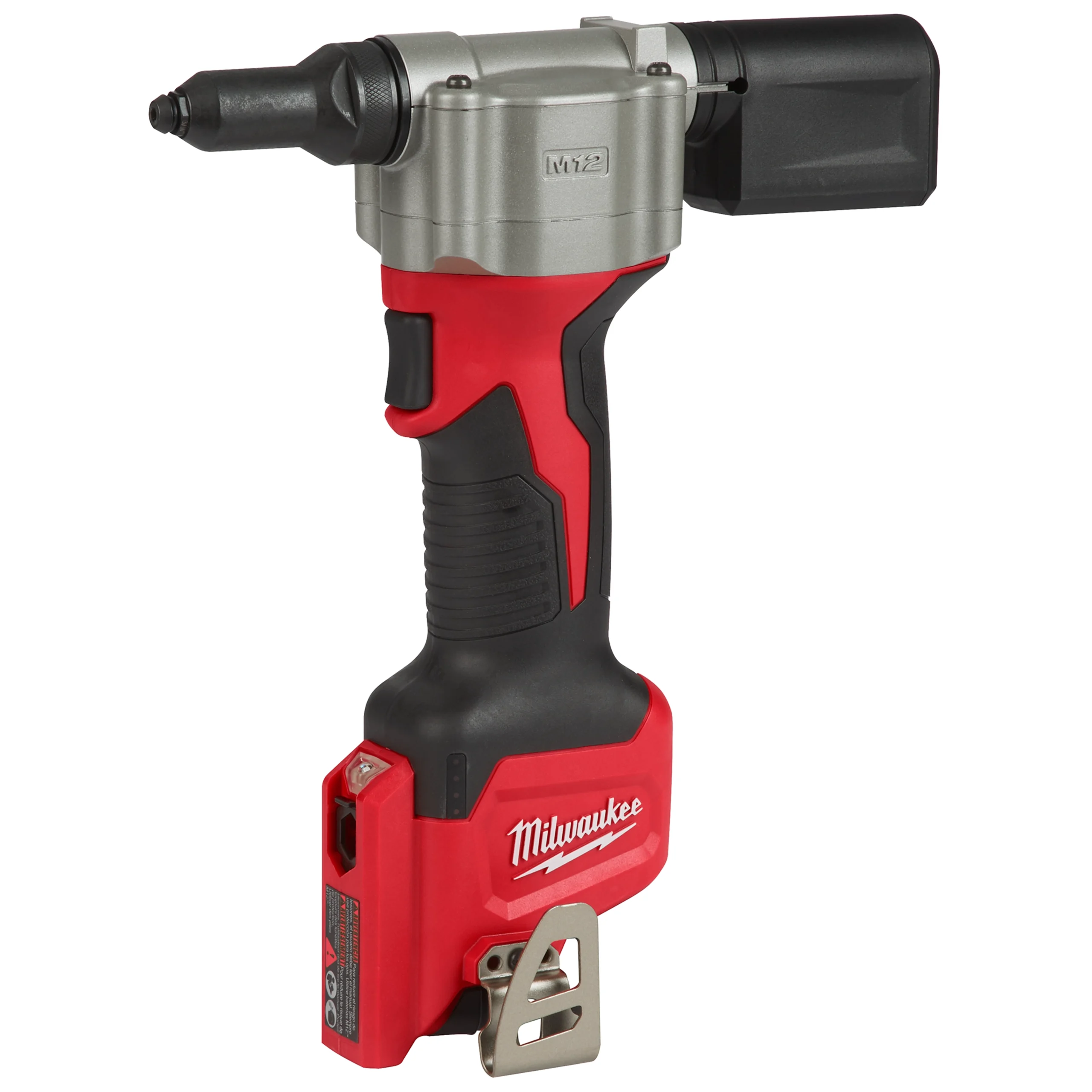
A cordless rivet tool sets blind rivets: fasteners installed from one side of a joint. Pulling the trigger draws the rivet’s mandrel through its body, expanding the body against the back of the material. When the mandrel reaches its break point, it snaps. The tool holds the spent mandrel, which you then empty or eject.
For sheet-metal assembly, the main advantage over a hand riveter is less effort and more consistent work over a long run. The trade-off is cost, weight, and another battery platform to manage. A cordless tool makes sense for repeated production, overhead work, or jobs with many fasteners. For a few repairs a year, a manual riveter may be cheaper and easier to keep ready.
As an Amazon Associate we earn from qualifying purchases at no extra cost to you.


Choose by rivet and daily volume
Start with the rivets you actually use. Common blind-rivet diameters include 3/32, 1/8, 5/32, and 3/16 inch, but tool capacity varies. Check the manufacturer’s stated capacity by material and diameter; a tool that handles 1/8-inch aluminum rivets may not handle the same diameter in steel or stainless. Confirm the nosepiece sizes included, too. A missing nosepiece can turn a seemingly suitable tool into a poor buy.
Aluminum rivets generally require less pulling force than steel or stainless ones. If your work includes harder rivets, frequent 3/16-inch fasteners, or large batches, prioritize rated capacity and serviceability over a low weight. Overloading a tool can cause incomplete pulls, premature jaw wear, or a mandrel that fails to break cleanly. Stop if the tool repeatedly stalls or leaves loose rivets rather than forcing it through the job.
Cordless rivet tool types
| Type | Best fit | Trade-off |
|---|---|---|
| Compact cordless riveter | Occasional assembly and smaller rivets | May be slower or limited on larger, harder rivets |
| Full-size cordless riveter | Regular sheet-metal work and mixed rivet sizes | More weight and higher purchase cost |
| Manual hand riveter | Small repairs and infrequent use | More hand effort; tiring across many fasteners |
| Pneumatic riveter | High-volume work at a fixed bench or shop | Requires an air supply and hose |
For mobile work, a cordless blind-rivet tool avoids dragging an air hose through a vehicle or up a ladder. If your workload is light, compare that purchase with a manual hand riveter kit before paying for a powered tool. Hand tools are slower, but they do not need a charged battery and can be adequate for a small repair or occasional bracket.
Battery platform and runtime
If you already own cordless tools, platform compatibility can matter more than a small difference in riveter specifications. A bare tool is usually the better value when you have compatible batteries and a charger. Buying a second charger and battery for a single specialty tool can erase the savings; compare kit and bare-tool prices rather than assuming one is cheaper.
Battery runtime depends on rivet size, material, tool design, and how often the tool pauses between pulls. Do not expect a published maximum pull count to match a real sheet-metal shift. Harder rivets and continuous use draw more from the battery, while cold batteries may perform less well. For installation work, carry a spare charged pack if stopping to recharge would hold up the job. Keep the battery clear of metal chips and follow the tool maker’s charging and storage instructions.
Some models collect broken mandrels in a container; others require more frequent clearing. A full container can interrupt work or interfere with ejection. Check how it opens and empties before buying, especially if you will be setting rivets overhead or in cramped spaces. Tool weight matters there: a heavier unit can tire your wrist even if its trigger action is easy.
Features worth checking
Look for a capacity chart that specifies rivet diameter and material, not just a broad claim that the tool handles blind rivets. Check pull stroke, nosepiece storage, mandrel collection, and whether replacement jaws and service parts are available. A tool that is easy to maintain may be a better long-term choice than one with a slightly higher advertised speed.
For frequent work, a cordless rivet tool with a brushless motor is worth comparing, but do not treat “brushless” as proof of greater capacity. The rated rivet range and parts support are more useful buying checks. If you are already on a battery platform, search for its bare-tool riveter option before considering a kit from a new system.
Set rivets without damaging the joint
Drill the hole to suit the rivet specification, deburr it, and keep the sheets clamped or aligned before setting. A hole that is too large can leave a loose joint; one that is too small can make installation difficult or damage the rivet. Use the right rivet grip range for the combined material thickness. If the grip is wrong, the rivet may not clamp the stack properly even when the mandrel snaps.
Hold the tool square to the work and let it complete the pull. A tilted nose can leave the head uneven or put side load on the rivet. If a mandrel jams, clear it according to the tool instructions rather than striking or prying at the nosepiece. Wear eye protection: snapped mandrels and metal chips can travel, and collect the broken stems instead of leaving them inside panels where they can rattle or interfere with moving parts.
For occasional aluminum rivets in thin sheet, a manual tool is often the sensible choice. For repeated assembly, tougher rivets, or work where a hose is impractical, a cordless riveter earns its cost—but only if its capacity matches the fasteners and its battery fits the way you work.
Related guides
- Longest Lasting Lawn Mower Battery: AGM vs Lithium vs Flooded Lifespan and Cost per Season
- Duralast Gold Lawn Mower Battery Review: U1 Fit, CCA and When to Pay for AGM
- Greenworks Pro 80V 21-Inch Mower Review: Runtime Math, Push vs Self-Propelled and Yard Fit
- Bosch High Pressure Washer Gun Replacement: Fittings, Adapters and What Fits Your Model