What's inside
As an Amazon Associate I earn from qualifying purchases. This post may contain affiliate links at no extra cost to you.
What a cordless rotary tool is good for
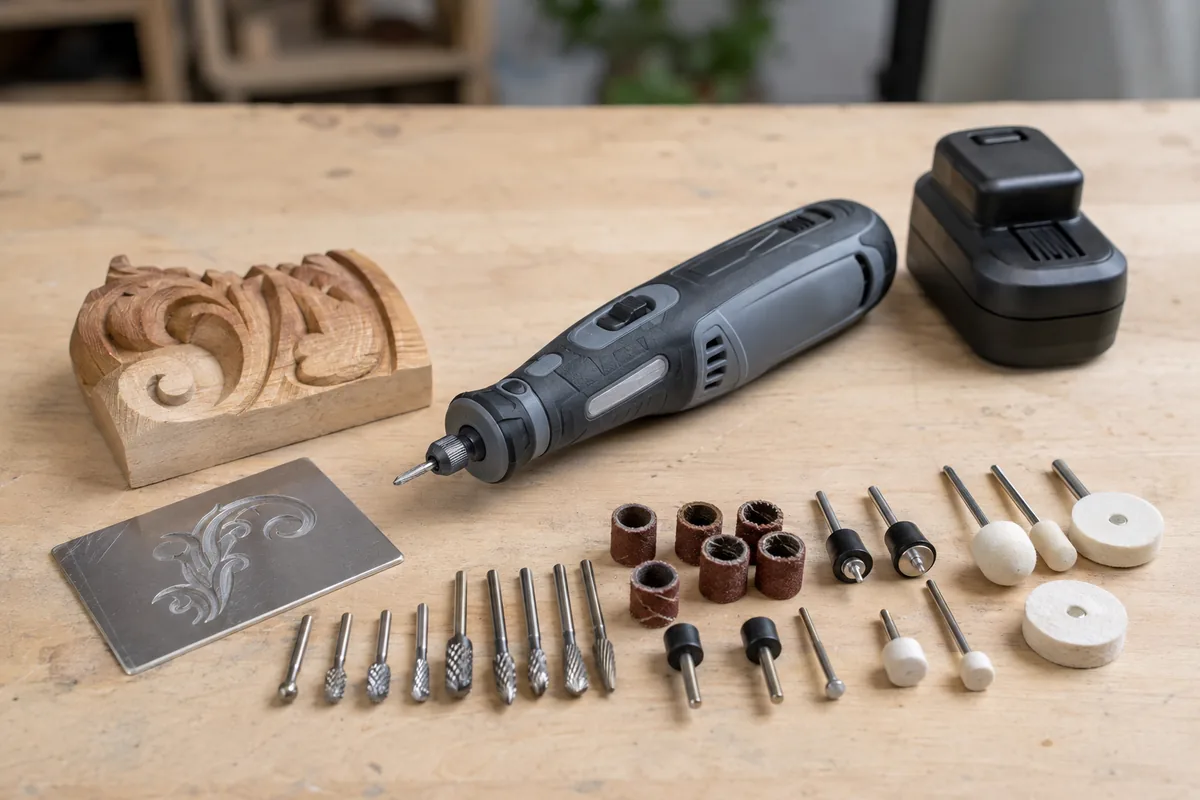
A cordless rotary tool handles small, controlled jobs: smoothing a rough edge, cleaning up a casting mark, grinding a burr, or sanding a tight curve. It is not a substitute for a random-orbit sander, die grinder, or angle grinder. Those tools remove material faster; a rotary tool gives you access and control where larger tools cannot fit.
For detail sanding and light grinding, look for a tool with variable speed, a collet that fits common accessory shank sizes, and a battery that does not make the tool awkward to hold. Most accessories use a 1/8-inch shank, though some kits include smaller bits. Check compatibility before buying; a bit that does not fit the collet is no bargain.
As an Amazon Associate we earn from qualifying purchases at no extra cost to you.


Choose between a tool platform and a micro tool
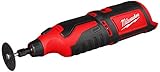
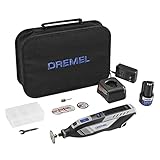
There are two useful approaches. A cordless rotary tool built for a general-purpose power-tool battery platform makes sense if you already own that brand’s batteries and charger. It may be heavier, but the battery can be shared with other tools. A compact rotary tool with a small built-in or proprietary battery is often easier to steer during fine work, but adds another charging system and may have less runtime.
If you already own compatible batteries, compare the tool-only price with a complete kit. A tool-only purchase is usually the economical choice when you have a charged battery and charger. If not, include both in the cost. For occasional household work, a budget kit with its own charger can be entirely adequate.
Comparison: what to prioritize
| Type | Best fit | Main trade-off |
|---|---|---|
| Compact cordless rotary tool | Fine sanding, engraving, light deburring | Shorter runtime and less power for sustained grinding |
| Platform-battery rotary tool | Users already invested in that battery system | Battery weight can make delicate work tiring |
| Corded rotary tool | Long sessions at a fixed bench | Cord can snag or limit access |
| Cordless die grinder | Faster stock removal with larger grinding accessories | Too bulky and aggressive for most detail sanding |
Speed and control matter more than top speed
Variable speed is important because accessories and materials behave differently. A sanding drum can burn wood or melt plastic if run too fast or pressed hard. A small grinding stone can glaze over when forced into the work. Start at a low setting, make a light pass, and raise the speed only if the accessory cuts cleanly.
For many small sanding and grinding tasks, the useful range is roughly 5,000 to 20,000 rpm; the exact setting depends on the bit and material. Maximum speed alone is not a quality measure. A comfortable grip, predictable trigger or speed dial, and low vibration make it easier to keep the accessory on the intended surface. If possible, test how the tool feels with its battery installed, not as a bare tool.
Battery size and runtime
A larger battery can extend working time, but it also shifts the balance toward your hand. That matters when sanding a small inside corner for several minutes. If the tool accepts more than one battery size, a compact pack is often preferable for detail work; keep a spare charged for longer sessions.
Do not assume a tool will run continuously for a quoted number of minutes. Material, pressure, accessory diameter, and speed all affect runtime. Grinding metal under load drains a small battery much faster than light sanding. Heat is another limit: stop if the tool, battery, or accessory becomes unusually hot. Let it cool rather than forcing the job and risking a damaged bit or battery.
Accessories, dust, and common failures
Buy accessories suited to the job, not just a large assortment. Sanding drums and sleeves are useful for shaping curves; felt or abrasive accessories suit light finishing; grinding stones work for small metal burrs. A worn sanding sleeve slips and can mark the work. A loose collet can cause wobble, so seat the shank fully and tighten it securely without overtightening.
Dust is easy to underestimate. Sanding wood, paint, or composite material can put fine particles into the air. Wear eye protection and a suitable dust mask, and use extraction where practical. Keep the accessory moving: dwelling in one spot can gouge wood, round a sharp edge, or overheat metal. On thin workpieces, support the material close to the sanding point to reduce chatter.
What to buy for your work
For occasional trimming, hobby work, or light deburring, a basic variable-speed kit is usually enough. Choose one that includes a useful collet, a case, and the accessories you will actually use. The cordless rotary tool kits category is a sensible starting point if you do not already own a compatible battery platform. A corded model may be better value if the tool will stay on a bench and run for long periods.
If you already own batteries from a major cordless platform, check whether that brand offers a rotary tool and compare its weight with a compact standalone option. Search for a platform-compatible rotary tool only after confirming that the tool accepts your exact battery family. Batteries that look similar are not necessarily interchangeable.
For regular detail work, prioritize balance and speed control over a large accessory bundle. For frequent, heavier grinding, step up to a die grinder or bench tool instead of expecting a small rotary tool to do a larger tool’s job. That choice costs more upfront, but avoids slow cuts, overheating, and premature wear.
Related guides
- Longest Lasting Lawn Mower Battery: AGM vs Lithium vs Flooded Lifespan and Cost per Season
- Duralast Gold Lawn Mower Battery Review: U1 Fit, CCA and When to Pay for AGM
- Greenworks Pro 80V 21-Inch Mower Review: Runtime Math, Push vs Self-Propelled and Yard Fit
- Bosch High Pressure Washer Gun Replacement: Fittings, Adapters and What Fits Your Model