What's inside
As an Amazon Associate I earn from qualifying purchases. This post may contain affiliate links at no extra cost to you.
A cordless soldering iron is useful when a repair is away from an outlet, inside a vehicle, or on a bench where a cord gets in the way. The trade-off is limited run time and less predictable heat than a plug-in station. For an electrical repair kit, choose by the work you actually do: small circuit-board joints need a fine tip and steady temperature, while wire splices need enough heat capacity to warm the connection quickly.
As an Amazon Associate we earn from qualifying purchases at no extra cost to you.


Choose by the job
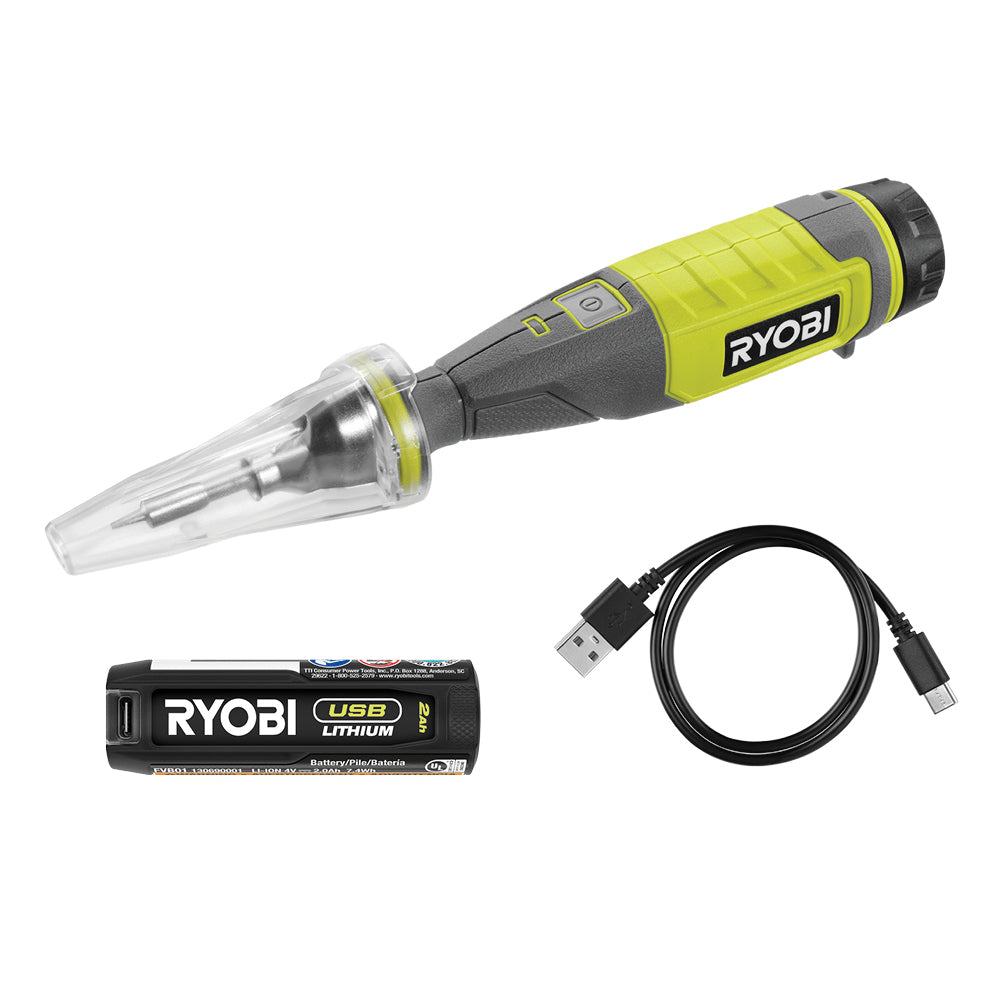
For occasional repairs to small electronics, a USB-C rechargeable iron is compact and usually the least expensive cordless option. It suits short sessions on light-gauge wire and component leads, but its small battery and tip can struggle with large connectors. Check whether it can run while charging; some models cannot, and charging from a power bank is not the same as having uninterrupted tool power.
If your shop already uses a cordless tool platform, a battery-powered iron can make more sense. Its larger battery generally supports longer work, and you can share packs with other tools. The downside is bulk: a tool battery can make the iron awkward to hold in tight spaces. A gas-powered iron is another cordless choice, but it needs fuel, ventilation, and more care around flame and hot exhaust.
For repeated bench work, a corded temperature-controlled station is often the better buy. Cordless is most valuable when access and portability matter more than all-day consistency.
Cordless options compared
| Type | Best fit | Main limitation | What to check |
|---|---|---|---|
| USB rechargeable | Small repairs, travel kits, occasional use | Shorter run time and limited heat recovery | USB-C charging, tip availability, stated run time |
| Tool-battery powered | Field work and users with compatible batteries | More weight; platform-specific battery cost | Compatible pack voltage, low-battery behavior, tip range |
| Butane | Outdoor work and jobs needing higher heat output | Fuel handling, flame risk, less precise temperature control | Ignition method, safety stand, tip and hot-air attachments |
| Corded station | Frequent electronics work at a bench | Requires an outlet | Temperature control, replaceable tips, stand and cleaning sponge |
Temperature, tips, and heat recovery
A temperature setting is useful only if the iron can maintain heat when it touches the joint. A small tip may reach its displayed temperature in open air but cool sharply on a heavy wire terminal. For electronics, look for adjustable temperature and replacement tips. A practical starting range for many lead-free electronics joints is about 350–380°C; leaded solder often works at a lower setting, around 320–350°C. These are starting points, not guarantees—tip size, solder, joint mass, and the part’s heat limits all matter.
Use a tip broad enough to contact both the lead and the pad. A very fine needle tip is not automatically better: it transfers little heat and can keep you on the joint longer, increasing the chance of lifting a pad or damaging insulation. For wire repairs, a small chisel tip often transfers heat more effectively than a needle. Keep tips tinned with solder when hot, and clean them with brass wool or a damp sponge. A dry, oxidized tip transfers heat poorly and encourages prolonged heating.
When a battery platform pays off
If you already own packs, a compatible iron can reduce the cost of entry and avoid adding another charger. Verify exact battery compatibility before buying; “same brand” does not always mean every pack fits every tool generation. Also consider the pack’s effect on balance. A compact pack is easier to manage for close work, while a larger pack may extend working time but pull on your wrist.
If you do not own the platform, calculate the full cost: iron, battery, and charger. A USB model may be cheaper for a few repairs a year. Compare USB-C cordless soldering irons for a lightweight kit, or look at battery-powered cordless soldering irons if you already have compatible packs. Check the listing for included battery, charger, stand, and tips; photos may show accessories sold separately.
Avoid common repair failures
Do not use a soldering iron to repair a live circuit. Disconnect power and remove batteries from the device. On equipment with capacitors, follow the manufacturer’s discharge procedure and verify with a meter before touching the circuit. Soldering near a lithium battery is especially risky: heat can damage the cell, and puncture or shorting can cause fire. Replace damaged battery assemblies rather than trying to solder directly to a cell.
For a wire splice, strip only enough insulation to make the joint, mechanically secure the conductors where possible, and use heat-shrink tubing for insulation and strain relief. A shiny surface alone does not prove a sound joint. A cold joint can look dull or irregular and may fail under vibration. If the iron cannot melt solder promptly at the connection, stop rather than holding it there for 20 seconds or more; use a larger tip, a more capable iron, or a proper crimp connector.
Work with ventilation or fume extraction. The smoke from rosin-core solder is irritating flux, not something to breathe over a long session. Set the iron in a stable stand between joints, and allow it to cool fully before packing it. Butane models need extra caution: keep fuel away from ignition sources, use them only where exhaust can disperse, and never assume a tool is cool because its flame is off.
A practical buying checklist
Before ordering, confirm the iron has a safe stand or protective cap, replaceable tips, a clear temperature range, and a battery or fuel setup suited to your work. For field kits, favor a model that heats quickly and has a visible ready indicator; do not assume a stated run time applies at maximum temperature. A spare charged pack is more reliable than expecting a small internal battery to cover a long repair.
For occasional light-duty work, a basic rechargeable iron is fine if you accept pauses and modest heat capacity. For frequent repairs or heavier wiring, choose a battery-platform tool only if the added weight and ecosystem cost make sense. If your jobs are mostly delicate boards at a fixed bench, spend the money on a corded temperature-controlled station instead.
Related guides
- Longest Lasting Lawn Mower Battery: AGM vs Lithium vs Flooded Lifespan and Cost per Season
- Duralast Gold Lawn Mower Battery Review: U1 Fit, CCA and When to Pay for AGM
- Greenworks Pro 80V 21-Inch Mower Review: Runtime Math, Push vs Self-Propelled and Yard Fit
- Bosch High Pressure Washer Gun Replacement: Fittings, Adapters and What Fits Your Model