What's inside
As an Amazon Associate I earn from qualifying purchases. This post may contain affiliate links at no extra cost to you.
Best Makita Wet/Dry Vacs for Spills, Slurry, and Sawdust
For routine wet pickup and dry workshop cleanup, the Makita VC4210L is the strongest all-round corded choice; pick the compact VC2512L for a smaller tank and easier storage, or the 18V XCV11Z when cordless mobility matters more than continuous runtime. The key distinction is not just tank size: water lift helps pull liquid through a hose, while a float shutoff protects the motor when the tank fills. Neither replaces a suitable filter or careful slurry cleanup.
Makita models compared
Specifications can vary by market and kit. The figures below are commonly published for these models; check the local Makita manual before buying, especially for electrical ratings, accessories, and dust-class requirements. Water lift is a useful suction indicator, but it does not by itself predict pickup speed: hose diameter, filter condition, and the material being collected also matter.
As an Amazon Associate we earn from qualifying purchases at no extra cost to you.

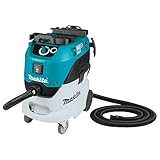


| Model | Power | Tank capacity | Max sealed suction / water lift | Best fit |
|---|---|---|---|---|
| VC4210L | 1,200 W corded | 42 L (11.1 gal) | 250 mbar (about 100 in. water lift) | Frequent shop cleanup and larger wet jobs |
| VC2512L | 1,000 W corded | 25 L (6.6 gal) | 210 mbar (about 84 in. water lift) | Small workshops and occasional spills |
| XCV11Z | 18V LXT battery, sold as tool-only in many markets | 7.5 L (2 gal) | About 60 mbar (about 24 in. water lift) | Quick cleanup away from an outlet |
Choose by the mess, not just the tank
For a large spill or repeated wet pickup: VC4210L
The VC4210L’s larger container means fewer interruptions when collecting water, and its higher published water-lift figure gives it an advantage for pulling liquid through a hose compared with the smaller corded model listed here. It is the sensible choice for a busy garage, renovation area, or shop that regularly switches between wet cleanup and dry dust extraction.
Its trade-offs are size, weight, and the need for mains power. A 42 L tank is useful for capacity but awkward to carry when full. Drain it before moving it, and use the drain outlet where fitted rather than lifting a heavy, sloshing canister to pour it out. Confirm the exact drain arrangement on the regional version before purchase.
For a smaller shop and occasional spills: VC2512L
The VC2512L keeps the practical advantages of a corded wet/dry vacuum in a more manageable 25 L format. It is a good match for a homeowner who vacuums sawdust regularly but only deals with modest liquid spills now and then. Lower capacity means more frequent emptying on wet jobs; that can be a worthwhile exchange if storage space is limited.
For either corded model, check that the supplied accessories suit the tools and surfaces you use. A narrow hose or clogged filter can restrict airflow even when the motor’s published suction figure looks strong.
For mobile spot cleanup: XCV11Z
The XCV11Z is convenient for small, scattered messes where dragging a corded vacuum is inconvenient. Its compact 7.5 L tank is a limitation for liquid: a modest spill can use a surprising share of that capacity, and battery runtime varies with battery size, condition, and workload. Treat it as a portable cleanup tool, not a substitute for a large-capacity extractor during extended wet work.
Before using any battery model for liquid, verify that the specific machine is rated for wet pickup and follow its manual’s filter and float instructions. Makita model suffixes and included equipment can differ between markets.
What matters in wet pickup
- Water lift: This indicates how much sealed suction the vacuum can develop. More lift can help draw liquid through a hose, but it is not the same as airflow or a guarantee of faster real-world pickup.
- Float shutoff: Wet/dry vacs commonly use a float mechanism to close off suction as liquid reaches the maximum safe level. When suction suddenly stops during wet pickup, switch the machine off and empty it; do not keep running it in the hope that suction returns.
- Tank draining: A drain outlet can make a heavy tank much easier to empty, especially when the liquid can be directed to an appropriate drain. Keep collected slurry out of storm drains and follow local disposal rules.
- Filter setup: Wet and dry pickup may require different filter arrangements. Remove or change filters only as the manual directs. Running without the specified protection can damage the machine or send fine dust back into the room.
Dry dust collection is a separate decision
For sawdust, a wet/dry vacuum’s tank capacity and water-lift figure do not tell the whole story. Fine dust can clog a filter quickly, reducing airflow and making tool extraction less effective. If you plan to connect a vacuum to a sander or saw, check hose compatibility, automatic tool-start features, filter-cleaning provisions, and the dust class required for the material and work. A wet/dry label alone does not establish suitability for hazardous dust.
Empty the dry tank before switching to wet pickup, and let washed or damp components dry fully before returning to fine-dust work. Otherwise, dust can cake on a wet filter, restrict airflow, and become harder to clean.
A practical wet-to-dry changeover
- Disconnect power or remove the battery. This prevents an accidental start while changing the setup.
- Empty and inspect the tank. Check for debris that could block the drain or interfere with the float.
- Fit the correct filter configuration. Follow the model manual rather than assuming the dry filter can remain in place for liquid.
- Watch for the float cutoff. If suction stops, turn off the vacuum promptly, let the float settle if the manual instructs, and empty the tank.
- Rinse and dry after slurry. Remove residue from the tank, hose, and wet-pickup accessories. Allow parts to dry before storing or collecting fine dust.
Which one should you buy?
| Your situation | Best starting point | Why |
|---|---|---|
| Frequent wet jobs, larger spills, or a permanent workshop | VC4210L | Largest listed tank and strongest listed water lift of these three |
| Limited storage, occasional spills, regular household sawdust | VC2512L | More manageable capacity while retaining corded operation |
| Small messes in several locations, no convenient outlet | XCV11Z | Portable, but its smaller tank and battery dependence constrain longer jobs |
For most users who expect real wet work rather than just occasional drops, choose a corded model and let tank size, drain convenience, and filter-change requirements guide the decision. The VC4210L suits repeated or larger cleanup; the VC2512L is the more space-conscious compromise. Choose the XCV11Z when portability is the deciding factor and the jobs are small.