What's inside
As an Amazon Associate I earn from qualifying purchases. This post may contain affiliate links at no extra cost to you.
For a large workshop or frequent cleanup, choose DEWALT’s 12-gallon DXV12P; for a smaller shop, the 6-gallon DXV06P is easier to store; and for grab-and-go cleanup, pick the 2-gallon cordless DCV580 or the newer 2-gallon DCV581H, depending on battery-platform compatibility. The cordless models trade tank capacity and sustained suction for portability, while the corded models are better suited to long cleanup sessions. For tool dust collection, check the specific model’s outlet, hose fit, and intended use: a shop vacuum that can connect to a tool is not automatically a certified dust extractor.
As an Amazon Associate we earn from qualifying purchases at no extra cost to you.
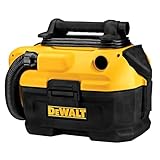


DEWALT wet/dry vacuums at a glance
The table compares representative models by nominal tank capacity and power source. Specifications and included accessories can vary by package or market, so confirm the exact model number before buying. Airflow figures are not directly comparable across models when manufacturers use different test methods.
| Model | Power | Tank capacity | Approx. weight | Best fit |
|---|---|---|---|---|
| DXV12P | 120V corded | 12 gal. | About 26 lb. | Garage, renovation cleanup, and larger debris loads |
| DXV06P | 120V corded | 6 gal. | About 15 lb. | Compact workshop use and occasional wet or dry cleanup |
| DCV580 | 20V MAX cordless | 2 gal. | About 6.7 lb. bare | Small, quick jobs away from an outlet |
| DCV581H | 20V MAX cordless or AC power | 2 gal. | About 6.7 lb. bare | Portable cleanup with the option of corded operation |
Weight figures are approximate and generally exclude the battery, hose, and accessories. Tank capacity is not the same as usable liquid capacity: leave room to avoid overfilling, and follow the manual’s fill and shutoff guidance.
Choose by the job, not just the gallon count
Best for a fixed workshop: DXV12P
A 12-gallon corded vacuum is the more practical pick when cleanup means sawdust, chips, or occasional liquid spills across a garage or jobsite. The larger tank needs fewer stops to empty, and wall power avoids battery-runtime limits. The tradeoff is a bulkier machine that takes more floor and vehicle space.
For routine fine dust, use a compatible filter and collection bag where appropriate. A large tank does not compensate for a clogged filter: airflow falls as fine dust loads the filter, so clean or replace it according to the manual and the material being collected.
Best compact corded option: DXV06P
The 6-gallon DXV06P is a better match for a small shop, apartment renovation, or occasional cleanup where a 12-gallon body would be awkward. It keeps the advantage of continuous corded operation but fills sooner. If you routinely collect bulky planer shavings or clean several rooms, the smaller tank can turn a lower purchase price into more interruptions.
Best for portability: DCV580 or DCV581H
The DCV580 is a 2-gallon 20V MAX vacuum for quick cleanup in a vehicle, at a workbench, or where extension cords are inconvenient. The DCV581H offers the same compact capacity with both battery and AC operation, making it more flexible when an outlet is nearby. Neither is the right choice for extended cleanup of a large shop: a small tank and battery supply make frequent, prolonged use less convenient.
Battery runtime depends on battery capacity, filter condition, hose restrictions, and the material being collected. A larger-capacity compatible battery generally gives more working time, but adds weight and cost. If you already own DEWALT 20V MAX batteries, the cordless option is more compelling; buying batteries and a charger solely for vacuum duty can change the value calculation.
Can a DEWALT shop vac double as a tool dust extractor?
Sometimes—but treat it as tool-connected cleanup, not a substitute for a purpose-built dust extractor where fine-dust control or regulatory compliance matters. Corded vacuums generally make more sense for stationary saws and repeated sanding because they can run without battery changes. Compact cordless models are handy for brief cleanup or a portable tool setup, but their small capacity and limited runtime are disadvantages for continuous extraction.
- Check the connection: Compare the vacuum hose diameter with the tool’s dust port. A reducer or adapter may be needed, and a loose fit leaks dust and reduces capture.
- Check filter compatibility: Match the filter to the model and the dust. A wet pickup can require removing a dry filter or fitting a foam sleeve, depending on the vacuum’s instructions. Never assume one filter works for every task.
- Manage fine dust: Fine sanding dust can load a standard filter quickly. Use a compatible fine-dust filter and collection bag if the model supports them, and clean the filter safely rather than blowing dust around the workspace.
- Use the right protection: For hazardous materials or work requiring certified dust control, follow the material and tool manufacturers’ guidance and use equipment rated for that application.
Before purchasing, look up the exact model’s manual and accessory list. DEWALT vacuums in different series can use different filters, bags, and hose arrangements; brand name alone does not guarantee cross-compatibility.
Filter and ownership costs that affect the choice
The filter is a wear item, and fine dust is especially demanding. A filter that is loaded or incorrectly installed can reduce suction; a damaged or missing filter can allow debris to reach the motor. Keep a spare compatible filter if the vacuum sees regular workshop use, and check whether bags are available for the exact model. Bags can make disposal cleaner and reduce dust reaching the filter, but add a recurring cost.
For wet pickup, follow the manual’s instructions for the filter configuration, maximum fill, and tank emptying. Empty and dry the tank after collecting liquid to reduce odors and residue. For dry dust, emptying before the tank is packed full helps maintain airflow and makes disposal easier. Avoid vacuuming hot ash, flammable liquids, or materials the manual excludes.
A useful way to compare a smaller and larger tank is to estimate emptying stops. If a cleanup produces roughly 8 gallons of loose debris, a 2-gallon vacuum would require several trips to empty, while a 12-gallon model may handle it in one fill, subject to usable capacity and debris density. That difference matters more than the headline capacity for frequent, bulky cleanup.
Which DEWALT wet/dry vacuum should you buy?
| Your situation | Better starting point | Why |
|---|---|---|
| Large shop, frequent cleanup, outlet available | DXV12P | More capacity and uninterrupted corded operation |
| Small shop, limited storage, occasional use | DXV06P | Smaller footprint while retaining corded runtime |
| Quick cleanup around a vehicle or jobsite | DCV580 | Portable 2-gallon format uses the 20V MAX platform |
| Portable vacuuming, but an outlet is sometimes available | DCV581H | Battery or AC operation adds flexibility |
In short, match capacity to how much debris you collect between emptying stops, then choose corded or cordless based on where and how long you work. Confirm the filter and hose accessories for the exact model—especially if you plan to connect it to a sander or saw—before treating a DEWALT wet/dry vacuum as a tool dust-collection system.