Our Top Picks
 SKIL 5” Random Orbital Sander with Cyclonic Dust5 inches7.87 x 4.8 x 5.51 inches3.44 PoundsCheck on Amazon
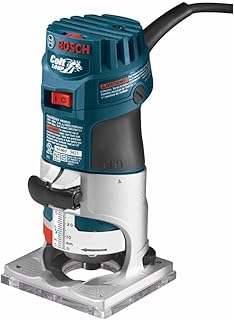
 BOSCH PR20EVS Colt 1.0 HP Variable-Speed Palm Router35 in9.41 x 7.43 x 4.7 inches3.3 PoundsCheck on Amazon


What's inside
As an Amazon Associate I earn from qualifying purchases. This post may contain affiliate links at no extra cost to you.
Ask which is the best power tool brand for woodworking and you get seven answers, each defended like religion. The useful version of the question is narrower: which brand’s first four tools unlock the work you actually want to do, and will that brand still sell batteries and accessories in eight years? After the second tool you are married to a platform, so this decision outlives any single tool review.
Here is what most brand roundups leave out. No cordless brand makes a table saw, jointer, planer, or bandsaw worth building a shop around, so your brand is always two brands: one battery platform for handheld work, one machine company for stationary iron. Rank the platform first and buy the machines when a project stalls without one.
As an Amazon Associate we earn from qualifying purchases at no extra cost to you.




| Brand | Platform | Buy it first for | Weak spot |
|---|---|---|---|
| Makita | 18V LXT and 40V XGT | Sanders, trim routers, track saws, low vibration | Two platforms to pick between |
| DeWalt | 20V MAX XR | Availability, miter saws, routers, jobsite crossover | Average dust control |
| Bosch | Corded, plus 18V | Routers and jigsaws | Thin US cordless woodworking lineup |
| Festool | 18V | Dust extraction, sheet goods, loose tenon joinery | Price and endless accessories |
| Milwaukee | M18 FUEL | Drills, drivers, nailers, durability | Trades first catalog |
| Ryobi | ONE+ 18V | Cheapest working shop, huge tool count | Not built for production days |
How I ranked the best power tool brand for woodworking
Four things set the order. Dust control, because sanding and routing create the mess that ends projects early. Depth in woodworking categories: trim routers, random orbit sanders, track saws, plate joiners, brad nailers, not impact wrenches and grinders. Platform longevity, meaning today’s batteries still fit tools sold years from now. And accessory availability at normal US retailers, because a sander with hard to find abrasive discs is a paperweight. Price is not a ranking factor here, since every brand on this list sells both a cheap drill and an expensive saw.
The ranking, in the order most woodworkers should buy
1. Makita, if woodworking is the main job
Makita’s catalog reads like it was written by someone who builds furniture. The 18V LXT line is deepest in the categories that matter: sanders that do not leave your hands numb, compact routers, cordless track saws, plate joiners, and brushless miter saws with usable dust ports. Tools generally run quieter and with less vibration than rivals, which sounds like a soft benefit until you sand for two hours. The catch is the split between 18V LXT and 40V XGT. Choose LXT for handheld work and treat XGT as a separate decision for large saws.
Makita 18V LXT Brushless Two Tool Kit
If the tools mostly stay in the shop, a two tool brushless LXT kit is the cheapest way onto the right platform. Buy it for the batteries and charger, then add the sander and trim router separately rather than paying for a bloated bundle.
2. DeWalt, if the tools leave the shop
DeWalt wins on the boring things that decide long term happiness. You can buy a battery almost anywhere in the country, the 20V MAX XR brushless tools are competent across the board, and the miter saws and routers hold their own in a shop. If the same batteries also have to hang trim or fix the deck, this platform does double duty. Dust collection trails Makita and Festool, so budget for a shop vac and hose adapters from day one.
3. Bosch, the corded specialist you never regret
Bosch’s US cordless woodworking lineup is thinner than its rivals, which is why it sits third instead of first. The routers and jigsaws are another story. A Bosch fixed base and plunge router combo has been the default first router in American shops for two decades, and its barrel grip jigsaws track curves cleaner than most cordless saws. Buy Bosch as a specialist, not as a platform.
4. Festool, when dust and plywood are the bottleneck
Festool earns its price in two situations: you work in a shared or attached space where dust is not negotiable, or you break down a lot of sheet goods. A track saw plus dust extractor genuinely replaces a cabinet saw for panel work, and the loose tenon joiner shortcuts case and frame joinery like nothing else. If neither is your actual bottleneck, you are paying for green paint. Skip it.
5. Milwaukee, excellent tools aimed at other trades
Milwaukee’s M18 FUEL drills, drivers, and nailers are as good as anything sold, and durability is not the issue. The catalog is built for electricians and plumbers first, so woodworking specialties arrive late and in fewer options. If you already own M18 batteries, do not switch. Add a corded router and a good sander and you are set.
6. Ryobi, the fastest cheap path to a working shop
Blunt version: Ryobi ONE+ is less refined, and for weekend furniture that often does not matter. The HP brushless drills, brad nailers, sanders, and jigsaws are genuinely useful, the tool count on one battery is enormous, and Home Depot stocks all of it. It falls apart on heavy repeated cuts and all day sanding. If woodworking starts paying, plan to graduate.
Ryobi ONE+ HP Brushless Starter Kit
The honest entry point if you are not yet sure woodworking will stick. A Ryobi sander with fresh abrasive beats a premium tool you postponed buying for a year, and the resale market for ONE+ gear is forgiving if you move on.
Honorable mention: Metabo HPT for pneumatic nailers and sliding miter saws, Skil for entry level corded routers. Neither deserves your battery money, both deserve bench space.
The four tools to buy first and the job each one unlocks
Order matters more than badge. Buy in this sequence whichever platform you picked.
1. Drill driver and impact driver pair. Unlocks jigs, assembly, hardware, and shop fixtures. Everything you build later depends on fastening quickly without stripping screws.
2. Five inch random orbit sander with a vacuum port. Unlocks finish quality, and it is the single tool that most changes how your work looks. Clogged abrasive burnishes wood instead of cutting it, which is why the vac hookup is not optional.
3. Circular saw with a track, or a dedicated track saw. Unlocks sheet goods. Wrestling a full sheet of plywood across a small table saw is the most dangerous thing beginners do. Cut it down on the floor instead.
4. Compact trim router. Unlocks round overs, flush trimming, hinge mortises, and dados with a simple jig. Pound for pound the most versatile tool in a small shop.
After those: a brad nailer for glue ups and trim, a miter saw for repeat crosscuts, then a jigsaw. Table saws, jointers, planers, and bandsaws come from machine companies like SawStop, Grizzly, Jet, or Laguna.
Fixed Base and Plunge Router Combo Kit
One motor, two bases, and it covers edge profiles, dados, template work, and eventually a router table. Buy corded here regardless of your battery brand, and put the savings into decent carbide bits.
Sticking to one battery platform is standard advice and mostly right. Know what you trade away.
- ✔ One charger and one battery size across the bench
- ✔ Combo kits cost less per tool than buying singles
- ✔ Dust hoses and accessories start to standardize
- ✘ You end up buying a mediocre tool because it matches your batteries
- ✘ Sales on rival brands become impossible to use
- ✘ Corded specialists often beat the cordless version on your platform[/afk_cons>
What to skip, whichever brand you choose
Skip the twelve piece combo kit. The impact wrench, right angle drill, and reciprocating saw in those bundles are trades tools. Buy a two tool brushless kit and add woodworking tools one at a time.
Skip the cordless table saw for shop use. Those exist for jobsite convenience, not rip capacity, fence accuracy, or dust collection.
Skip third party replacement batteries. They void warranties and their failure mode is fire.
Skip the belt sander as your first sander. It removes material faster than a beginner can control and will dish a tabletop before you notice.
Frequently asked questions
Is Makita or DeWalt better for woodworking? Makita, narrowly, if the tools stay in the shop, mostly for sander quality, dust ports, and a deeper bench of woodworking specific tools. DeWalt if those same batteries have to work outside on ladders and job sites.
Is Festool worth it for a hobbyist? Only if dust or plywood is your real bottleneck. A woodworker in an attached garage processing sheet goods feels the value immediately. Someone building small solid wood projects will not.
Can I mix brands? Yes, and most working shops do. Keep one battery platform for cordless handhelds, then buy the best corded router, the best nailer, and the best machines regardless of badge.
Pick the platform that matches where the work actually happens, buy in the order above, and accept on day one that your stationary machines will wear a different name. That is not a compromise, it is how every shop worth copying gets built.
Check prices on Amazon →