What's inside
- Quick comparison: five picks at a glance
- Best overall: a sealed-HEPA cordless stick
- Best budget: a corded upright with a lift-away pod
- Best for pets and deep carpet: a heavy corded upright
- Best for hands-off daily cleaning: a self-emptying robot
- Best for hard floors and wet messes: a wet/dry floor washer
- How to choose: the four numbers that actually matter
- Matching the machine to your situation
- What ownership actually costs
- Durability: what wears out first
- Frequently Asked Questions
As an Amazon Associate I earn from qualifying purchases. This post may contain affiliate links at no extra cost to you.
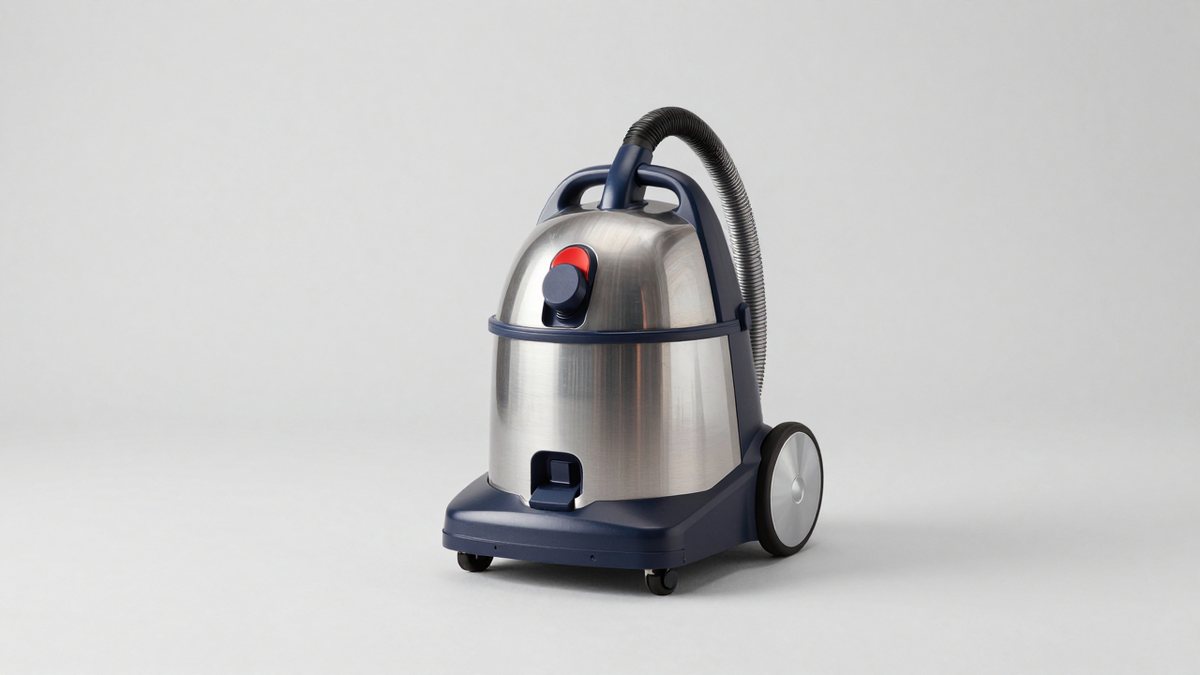
The best vacuum for most homes in 2026 is a cordless stick with a sealed HEPA system and a motorized brush roll — Dyson’s V15 Detect class remains the reference point at roughly 240 air watts, a 0.76 L bin and up to 60 minutes of run time per the manufacturer’s spec sheet. If your home is mostly carpet and you have pets, a corded upright still lifts more embedded dirt per pass for a third of the price, and if your current vacuum lives in a closet, a self-emptying robot that runs daily will out-clean a better machine you never switch on. (Shoppers who type “best vaccums cpeaner” land on the same answer — the spelling doesn’t change the physics.)
As an Amazon Associate we earn from qualifying purchases at no extra cost to you.



Our Top Picks
 Shark Navigator Lift-Away Upright Vacuum Cleaner14.96 x 11.4 x 45.5 inches13.7 poundsCheck on Amazon
 Shark PowerPro Reveal Plus Cordless Vacuum CleanerCompact12.4 x 10.39 x 44.88 inches7.89 PoundsCheck on Amazon
Quick comparison: five picks at a glance
Figures below come from manufacturer spec sheets and typical retail listings; treat them as class benchmarks rather than laboratory results, because runtime and suction are both measured differently by each brand.
| Pick | Best for | Key specs (per manufacturer) | Typical price range |
|---|---|---|---|
| Dyson V15 Detect class cordless | Most homes, mixed flooring, stairs | ~240 air watts; 0.76 L bin; ~3.1 kg; up to 60 min on eco; sealed HEPA | $600–$800 |
| Shark Navigator Lift-Away class upright | Budget buyers, carpet + hard floor mix | ~1.2 L bin; 25 ft cord; HEPA filter; ~5.7 kg; lift-away pod for stairs | $150–$220 |
| Dyson Ball Animal 3 class upright | Pets, deep pile, wall-to-wall carpet | ~2 L bin; 35 ft cord; HEPA; ~7.5 kg; stiff bristle brush bar | $400–$500 |
| Roborock S8 class robot | Hands-off daily upkeep on hard floor and low pile | 6,000 Pa; 400 mL onboard bin; ~3 kg; dock bag ~2.5 L (~7 weeks) | $400–$900 with dock |
| Bissell CrossWave class wet/dry | Hard floors, spills, pet accidents | 0.82 L clean tank; 0.62 L dirty tank; corded; ~5 kg | $200–$350 |
Best overall: a sealed-HEPA cordless stick
Who it suits: anyone in a home under about 150 m² with a mix of hard floor, area rugs and stairs. Main trade-off: price, plus a bin that needs emptying once or twice during a full-house clean.
The V15 Detect class is the pick because it combines three things cheap cordless models get wrong: a motorized brush roll with stiff and soft filaments, a bin large enough to finish a floor without stopping, and a fully sealed system so dust that enters the machine stays in it. Dyson rates it at about 240 air watts and up to 60 minutes of run time, but that 60-minute figure is measured on the lowest power setting with a non-motorized tool. Put the motorized head on and switch to max, and expect roughly 15–20 minutes — enough for one floor of a typical house, not all of it.
Best budget: a corded upright with a lift-away pod
Who it suits: renters, first apartments and anyone who wants maximum cleaning per dollar. Main trade-off: a cord, roughly 5.7 kg to push around, and a bagless bin you empty over a trash can.
Corded uprights in the $150–$220 band deliver more sustained suction than any cordless at twice the price, because there is no battery to drain and no power-management software throttling the motor. The Lift-Away design matters more than the badge: the canister detaches so you can carry it up stairs and along skirting boards instead of dragging the whole machine. Look for a HEPA filter, a 25 ft cord (about two rooms between outlets) and a brush roll you can remove without tools, since hair wraps around that roll faster than anything else on the machine.
Best for pets and deep carpet: a heavy corded upright
Who it suits: households with shedding dogs or cats and carpet throughout. Main trade-off: weight and bulk — this is not the vacuum you grab for a five-minute tidy.
The Ball Animal 3 class exists for one job: pulling grit and hair out of pile. The stiff bristle bar agitates carpet fibres, the roughly 2 L bin means fewer trips to the bin, and the 35 ft cord covers a whole floor. Dyson does not publish an air-watt figure for this model; it rates it as its highest-suction upright, which is the honest way to read the marketing. If you have hard floors only, skip this category entirely — a stiff brush bar on bare timber or vinyl mostly scatters debris.
Best for hands-off daily cleaning: a self-emptying robot
Who it suits: homes that are 70% or more hard floor, people who work long hours, and anyone who currently vacuums once a month. Main trade-off: it cannot replace a full-size vacuum on thick carpet, and the dock takes up floor space.
Roborock’s S8 class is rated at 6,000 Pa with a 400 mL onboard bin and an optional dock whose 2.5 L bag holds roughly seven weeks of debris in a pet-free home. The honest limits: a 400 mL bin fills in three to four days with a shedding dog, so the dock is not optional in that scenario, and no robot in this class climbs thick pile or clears a staircase. Treat it as a maintenance machine that runs while you are out, not as your only vacuum.
Best for hard floors and wet messes: a wet/dry floor washer
Who it suits: kitchens, bathrooms, tiled ground floors and homes with young children or elderly pets. Main trade-off: it is a floor tool, not a general vacuum — it will not clean a sofa or a car interior.
The CrossWave class vacuums and washes in one pass, with a 0.82 L clean tank and a 0.62 L dirty tank. In practice you get about 20–25 minutes of cleaning per tank fill on a medium setting, which covers roughly 60–80 m² of tile. The maintenance rule that keeps these machines alive: empty and rinse the dirty tank after every use, and let the brush roll air-dry outside the machine, because a damp roll left in a sealed housing is where the smell comes from.
How to choose: the four numbers that actually matter
Suction: air watts and pascals are not the same unit
Cordless vacuums are usually rated in air watts (AW), a measure of airflow multiplied by vacuum pressure; robots are rated in pascals (Pa), a static pressure figure. You cannot compare 240 AW to 6,000 Pa directly, and brands know it. As a working rule: below about 100 AW a cordless struggles with deep pile, 150–200 AW handles most homes, and 200+ AW is headroom you pay for. For robots, anything above roughly 4,000 Pa is fine on hard floor and low pile; more suction mainly helps on carpet edges.
Bin size: match it to how much floor you have
A cordless bin of 0.3–0.5 L needs emptying two or three times during a whole-house clean. A 0.7–0.8 L bin gets most homes done in one pass. Uprights run 1.5–2.5 L, and robots 0.3–0.6 L onboard. Rule of thumb: about 0.1 L of bin per 20 m² of floor if you vacuum weekly, double the bin size if you vacuum monthly.
Filtration: the rating matters less than the seal
True HEPA (H13) captures 99.95% of particles at 0.3 microns under the EN 1822 standard; “HEPA-like” and “HEPA media” are marketing terms with no test behind them. More important is whether the system is sealed — check for gaskets at the bin, filter housing and hose joints. A sealed machine with a good filter releases less dust than an unsealed one with a better filter.
Floor type: the brush roll decides the result
Stiff bristles for carpet, soft or dual-filament rolls for hard floor and delicate timber, and a brush-roll shutoff for anything with a high-gloss finish or a fringed rug. On hard floors, suction matters less than airflow — a wide, unobstructed head beats a narrow high-suction one.
Matching the machine to your situation
| Your situation | Best fit | Why |
|---|---|---|
| Flat under 70 m², mostly hard floor | Cordless stick, 0.5 L bin, 150 AW+ | Fits in a cupboard; 20 minutes covers the whole home |
| Family home, carpet plus pets | Corded upright + cordless for stairs | Upright for depth, cordless for speed and above-floor work |
| Allergy sufferer, hard floors | Sealed HEPA cordless or bagged canister | Bagged systems trap debris on removal; sealing beats filter rating |
| Vacuuming less than monthly | Self-emptying robot + cheap upright | Robot maintains daily; upright handles the deep clean twice a year |
| Tiled ground floor, kids or pets | Wet/dry floor washer | One pass removes liquid and crumbs together |
What ownership actually costs
Take a 140 m² three-bedroom home, 70% hard floor, one shedding dog, and a cordless used daily:
- Battery: a replacement pack runs $80–$130 and lasts two to four years. At 300 sessions a year over three years, that is roughly $0.10–$0.15 per session — cheaper than most people assume.
- Filters: the pre-motor filter is washable on most models (rinse monthly, dry 24 hours). The post-motor HEPA cartridge costs $25–$45 and lasts 12–18 months, so budget $20–$40 a year.
- Robot dock bags: $5–$9 each, replaced every six to eight weeks in a pet home — about $30–$55 a year. A bagless dock trades that cost for a messy emptying job every few days.
- Brush rolls and belts: $15–$35 per roll, typically every one to three years on a carpet-heavy machine.
Total consumables land near $60–$120 a year across a two-machine setup. A corded upright alone is closer to $30–$50, because there is no battery to replace.
Durability: what wears out first
In cordless machines, the battery is the first casualty, followed by the bin release catch and the wand contacts. In corded uprights, it is brush-roll bearings and drive belts, then the hose cuff where it flexes. In robots, it is drive-wheel treads, the side brush, and cliff sensors that get smeared with dust and start misreading drop-offs. Across all types, the cheapest failure is a clogged or overfilled bin: dust backing into the motor housing is what turns a five-year vacuum into an eighteen-month one. Empty the bin at two-thirds full, never wash a filter the manufacturer labels dry-only, and keep the brush roll free of hair — those three habits do more for lifespan than any brand choice.
Frequently Asked Questions
How much suction do I really need?
For a cordless, 150 air watts is enough for most homes and 200+ is comfortable headroom on carpet. For a robot, 4,000 Pa handles hard floor and low pile well. Beyond those points you are mostly paying for marketing numbers, because bin sealing and brush-roll design change real-world pickup more than a 20% suction bump.
Is bagged or bagless better?
Bagged machines hold allergens more safely, because you remove the debris in a sealed bag rather than tipping a bin into a trash can, and they usually cost less to run long term. Bagless machines save on bags and let you see what you picked up. For allergy sufferers, bagged or a sealed-HEPA bagless system are both reasonable; an unsealed bagless machine is the worst of the three.
How often should I replace the filter?
Rinse a washable pre-motor filter monthly and let it dry fully for 24 hours before refitting. Replace a HEPA cartridge every 12–18 months, or sooner if suction drops after the bin and brush roll are clean. Never fit a damp filter — moisture carries dust straight into the motor.
Can a robot vacuum replace a full-size vacuum?
Not on carpet. A robot’s 400 mL bin and light brush pressure mean it maintains a floor rather than deep-cleans it, and it cannot handle stairs or upholstery. The realistic setup is a robot for daily upkeep plus an upright or cordless for a fortnightly deep clean.
What is the best vacuum for pet hair?
A corded upright with a stiff bristle brush bar for carpet, and a cordless with a motorized mini head for sofas and car seats. Hair wraps around brush rolls, so prioritise a tool-free removable roll over any suction figure. Empty the bin after every session in a pet home — hair mats into a plug and blocks airflow quickly.
How long should a cordless vacuum battery last?
Expect two to four years of daily use before capacity drops noticeably, with replacements at $80–$130. Storing the vacuum on the charger is fine on modern lithium packs; leaving it in a hot garage or running it to full shutdown every day is what shortens life.